

There are few genres as inherently cinematic as the Western, and ranking the best of the past 100 years is no easy task. From the vast desert landscapes to the tense final duels to the sight of Clint Eastwood pulling back his poncho, few genres helped shape cinema in the 20th Century like Westerns.
John Wayne’s Westerns were consistently popular for over 40 years, while filmmakers like Martin Scorsese, John Carpenter and Steven Spielberg have spoken at length about how “Oaters” shaped their childhoods. Westerns may have waned in popularity thanks to overexposure during the mid-1960s, but their impact and legacy can still be felt today.
10
Tombstone (1993)
Tombstone is one of the best Westerns of the past 40 years, and easily the most rewatchable. The film went through a messy production, where the original director was fired, and star Kurt Russell reportedly ghost directed much of it himself on a tight budget.
The film itself is messy and jagged in certain ways, where characters or plotlines appear and disappear with little explanation. Regardless of its imperfections, Tombstone is endlessly entertaining. Val Kilmer was never better, it has a superb cast, the action is slickly executed and the dialogue is so very quotable.
9
Stagecoach (1939)

John Wayne’s introduction in Stagecoach made him a movie star – though that arrived after a solid decade of struggling in B-movies. This John Ford classic might be 90 years old, but it still feels weirdly modern, and focuses on a disparate band of characters traveling through dangerous terrority.
The Apache attack still holds up as an enthralling setpiece, but the movie’s true strength is its characters. Wayne might be the undeniable star, but the rest of the cast does strong work, while Ford manages to make a film set around people sitting in a stagecoach completely engrossing.
8
The Wild Bunch (1969)

Restrictions on violence and language meant that early Westerns were relatively bloodless affairs, but moving into the 1960s, those rules loosened up. The Wild Bunch is a Western landmark in one sense, as director Sam Peckinpah stages visceral (and gory) action sequences, with liberal use of slow motion to enhance the effect.
These setpieces still carry a punch, but The Wild Bunch has more on its mind than bloodshed. For all its nihilism, it’s an elegiac ode to the end of the West, when modern society pushed the outlaws to one side. It’s about old men facing the end of their way of life – and deciding to go out on their terms.
7
The Outlaw Josey Wales (1976)

The Dollars trilogy might be more iconic, but for Clint Eastwood Western fans, The Outlaw Josey Wales is among his best works. He plays the titular outlaw, who finds himself a makeshift family while being pursued across the country by ruthless bounty hunters.
This 1976 Western has one of the best screenplays Eastwood ever worked from, and is filled with great lines and monologues. The supporting cast (especially Chief Dan George) adds texture to the story, and it’s got some of the finest action Eastwood ever staged as a director.
6
Rio Bravo (1959)

Rio Bravo was John Wayne and Howard Hawks’ rebuttal to High Noon, an acclaimed Western where the sheriff character begged his townspeople for help against an outlaw gang. Wayne hated both the premise and perceived politics of that story and wanted Rio Bravo to follow a sheriff who refuses to ask for help.
The difference is, there’s a line of deputies and townsfolk only too eager to assist. Rio Bravo’s slow-burn pacing and stylized dialogue may test modern viewers, but it’s one of Wayne’s best Westerns by far. From the great script to the likable characters and Hawks’ unfussy directing style, it’s a solid way to spend an afternoon.
5
No Country For Old Men (2007)

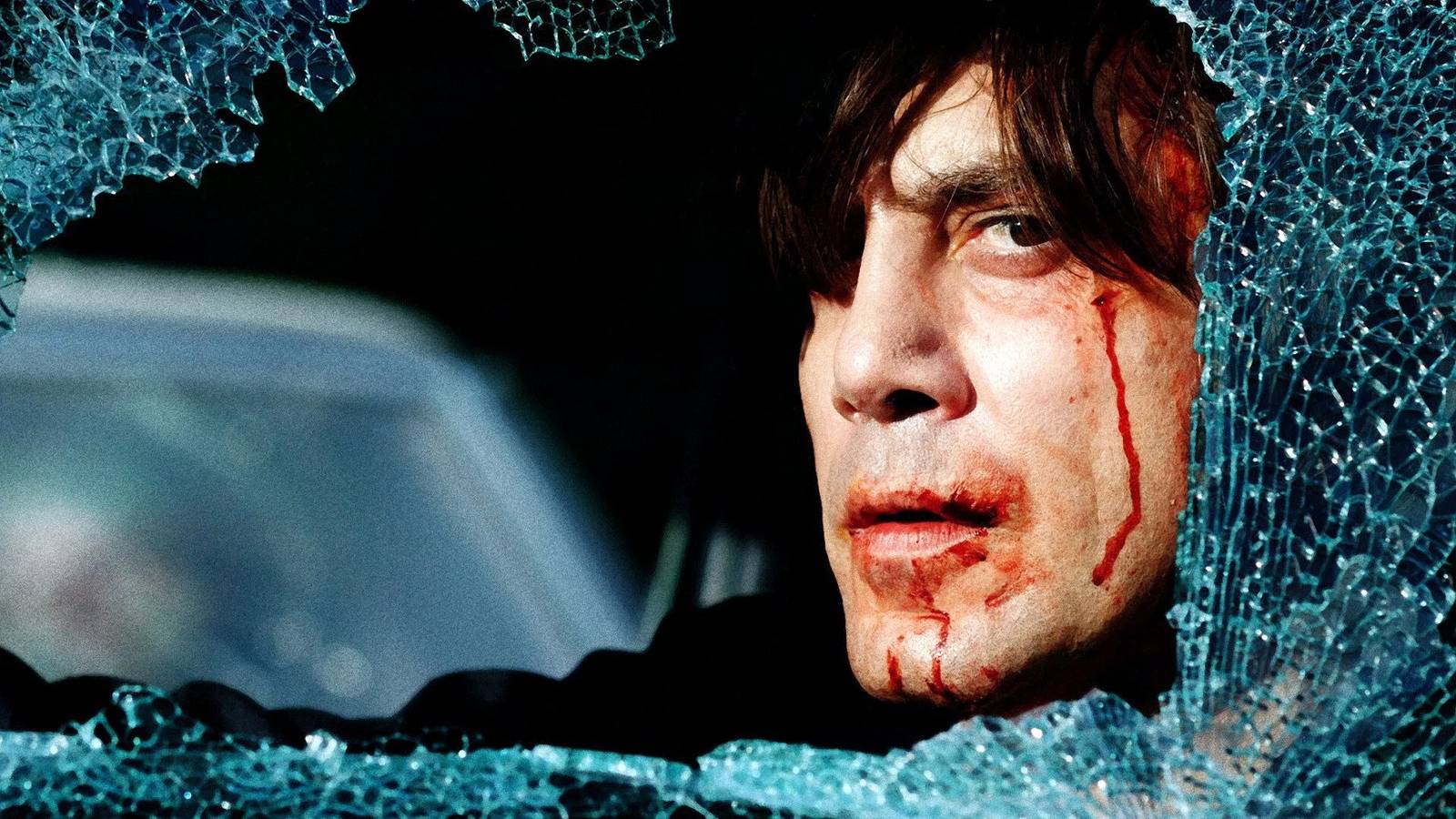
The only Neo-Western on the list is arguably the best Coen Brothers movie – which is really saying something. This sparse, terrifying chase thriller has Josh Brolin’s cowboy come across a big ol’ bag of drug money – and soon finds Death Incarnate Anton Chigurh (Javier Bardem) on his tail.
The film might be slavishly faithful to Cormac McCarthy’s novel No Country for Old Men, but it’s incredibly cinematic too. Most of the cast do career-best work, the shootouts are unbelievably visceral, and there’s even a hint of horror with Chigurh, who is a few steps away from being a slasher villain.
4
High Noon (1952)

John Wayne may have despised it, but High Noon is still a masterpiece. This sees Gary Cooper’s Marshal being left to stand alone against a gang looking for vengeance, with the action largely playing out in real-time. The movie really stood out at the time due to its more grounded approach.
High Noon received an unofficial remake with 1981’s Outland, starring Sean Connery.
Cooper’s Kane is shown as vulnerable and scared, but he still has the backbone to do the right thing. While Westerns were moving into the color era, High Noon makes incredible use of black and white to enhance the sense of dread, while the showdown the story builds towards is well worth the wait.
3
The Searchers (1956)

Wayne was famed for his heroic characters, but his best performance came with Ford’s The Searchers. Wayne’s Ethan Edwards is a bitter, racist war vet who spends years searching for his kidnapped niece, with the story becoming a dark odyssey that unfolds against a desolate but gorgeous desert landscape.
Wayne is truly amazing in the lead, and it’s a shame he never attempted such a complex character again. Even though it’s a story suitable for all ages, it deals with many uncomfortable subjects and themes. The Searchers is also filled with classic sequences like Ethan emerging from the desert and the final, haunting shot of a closing door.
2
Unforgiven (1992)

Unforgiven was Clint Eastwood’s final Western, and a project he sat on for years until he felt old enough to play the grizzled lead. The movie subverts so much of what audiences expect from the genre. The violence isn’t depicted as cathartic or fun; it’s brutal, bloody and cold.
It shows the Old West not as a place of mythic heroes or righting wrongs, but a cruel place where everything is a shade of grey. In the way it plays off his screen history, it’s impossible to picture anyone but Clint in the lead, while Gene Hackman is downright monstrous as the uncompromising sheriff.
Unforgiven was praised upon release and feels like something of a closing statement on Westerns from its star/director. Even while taking a hard look at the Western genre, it can’t help but feel like a love letter to them – even if it’s a complicated one.
1
Once Upon a Time in the West (1968)

Sergio Leone’s Spaghetti Westerns gave the genre a much-needed kick up the bum in the 1960s when their popularity was winding down. The Dollars trilogy might be more popular, but Once Upon a Time in the West is Leone’s masterwork. It’s a gorgeous, violent and hugely ambitious tale filled with complex heroes and villains.
It might just be one of the best-looking Westerns ever made, and like Unforgiven, it takes a harsh look at the myth of the genre. Once Upon a Time in the West can be grim and violent, but from the performances to the cinematography and music, it’s one hell of a rewarding Western journey to embark upon.
