

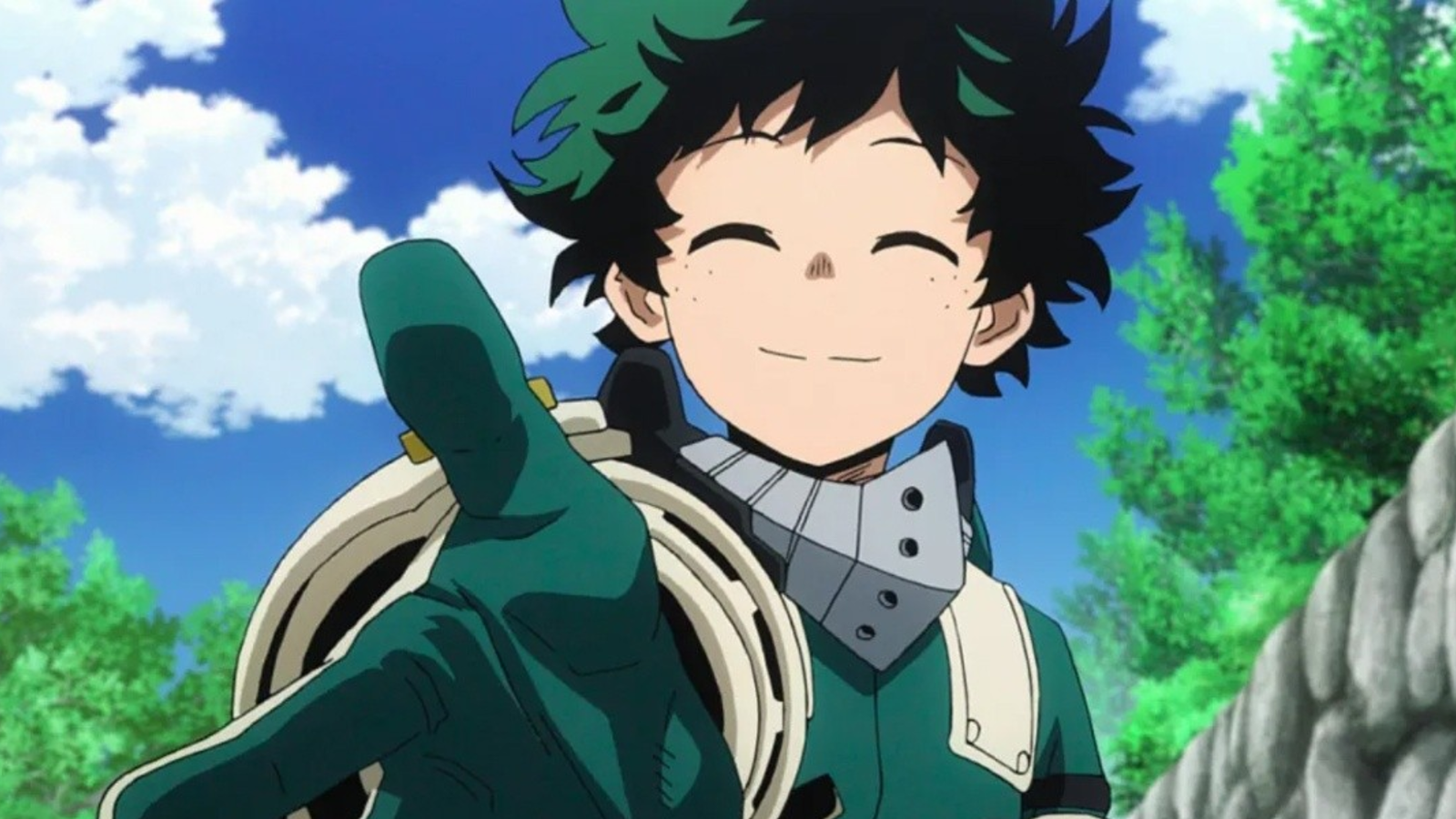
My Hero Academia stands out as one of the most influential and popular modern shōnen anime around the world. Released in April 2016, the series spans across eight seasons, four feature films, and a spin-off, reflecting its global impact and reach. The story is officially coming to an end on Saturday, December 13, 2025, nearly a decade after its debut.
Beyond its widespread popularity and massive success, My Hero Academia stands out for the depth of its narrative and the lessons it offers through its story and characters. With nearly ten years of storytelling, there are ample teachings that audiences worldwide can take to heart and carry forward after the grand finale.
No One Is Born a Villain
My Hero Academia does an extraordinary job of exploring the roots of villainy. Many antagonists in the series are shaped by past trauma, neglect, or hardships that often arise from circumstances rather than malice. By exploring these origins, the series encourages audiences to look beyond labels and understand that everyone has a story.
By sharing some of the villain’s vulnerabilities and struggles, the series shows how identity and the paths people take are not preordained. The story also emphasizes the importance of empathy and intervention as well as the need for guidance, connection, support, and compassion. Many villains in My Hero Academia had the capacity for change given the right circumstances.
Fate Isn’t Fixed

The series repeatedly shows that the future is not set in stone. From Todoroki’s struggles with his father’s expectations to Sir Nighteye’s insistence that future events can’t be changed, the story proves that choices and fate are something that people create for themselves.
My Hero Academia shares that there is no destiny that can’t be changed if you work hard enough and go forward with the right attitude and determination to forge your own way. Deku changed the future Nighteye foresaw in Season 4, and together with Bakugo, they changed All Might’s ultimate fate, proving that fate isn’t and never was a cage.
Finding Your Own Path

Carving your own path in life often means navigating expectations, familial or societal pressures, and preconceived notions of what success looks like. However, real growth comes from embracing individuality and making choices aligned with your own values, rather than following the path others may have in mind.
Throughout the series, many journeys are complex, requiring characters to reflect and reimagine their paths and identities. Deku, Bakugo, Todoroki, and many others must discover the kind of heroes they want to be and what they aim to achieve. Instead of chasing external validation, they must learn to stay true to themselves.
Embracing Who You Are

True growth begins with accepting all aspects of yourself, including strengths, weaknesses, and every little quirk and imperfection. My Hero Academia emphasizes this idea and how it’s essential to personal development by sharing stories of characters who must reconcile with the parts of themselves they may not be the most proud of.
Characters like Shoji, Bakugo, and Shinso undergo significant arcs where they must overcome the past or insecurities that hinder their growth. By confronting moments that challenge their identity, they are able to gain a strong sense of acceptance for themselves, allowing them to embrace authenticity and strengthen their relationships with those around them.
Overcoming Trauma

Trauma can shape identity and influence choice in powerful and unexpected ways, but it never has to define the future. My Hero Academia explores how confronting past pain and reaching out for support can empower people to reclaim control over their lives and begin to heal.
The best example of this in the series is none other than little Eri, a young girl subjected to abuse and torment at a young age who lived in isolation and fear. However, after she is saved by Deku, she gradually learns to trust in others and smile again as she begins to feel safe and empowered.
Her story shows that overcoming trauma involves both internal growth and meaningful connections with others. Through her journey, My Hero Academia shares not only strength, but also inspiration and hope for a brighter future.
Ask for Help When It’s Needed

Acknowledging limitations and seeking help when it’s needed is a sign of strength, not weakness. My Hero Academia repeatedly shows that even the most capable and powerful heroes can’t succeed alone and that collaboration, guidance, and support are necessary to overcome certain obstacles.
Personal growth often comes through shared effort rather than solitary struggle, a lesson learned by several characters, most notably Deku himself. In the sixth season, he turns to vigilantism to protect those he cares about and often pushes himself to his limits. It isn’t until his class confronts him that he realizes he was never truly alone.
In accepting their help and returning to U.A., he demonstrates a strength rooted in emotional growth, self-awareness, and acceptance. By returning, he showed that relying on others is far from weakness and one of the greatest strengths of all.
Hard Work and Perseverance

Success rarely comes overnight, and My Hero Academia emphasizes that fact again and again. Characters face rigorous training, repeated failures, and high-stakes challenges that push them to their limits. From physical trials to emotional ones, the series shares that resilience and hard work are the foundation of greatness.
Through Deku’s story and the Class of 1-A, the series shares how commitment to improvement is rooted in continuous growth and effort. None of the characters ever sit around hoping that opportunities or success will fall into their lap; they actively strive to reach their dreams and ambitious goals.
Consistency Could Beat Talent

Alongside hard work and perseverance, the series also teaches audiences that natural talent alone doesn’t guarantee success. Consistent effort, practice, and a desire for growth and improvement are often more important than raw talent alone. Dedication could level the playing field, with every small, meaningful step leading to greater results.
My Hero Academia shows this brilliantly through Deku and Bakugo’s rivalry. While Bakugo was a prodigy and extremely talented, Deku eventually closed the gap between them despite gaining his quirk later in life. Through consistent training and effort, Deku proved that commitment could reach goals and achieve massive success.
Never Give Up on Your Dreams

Pursuing dreams often requires resilience, courage, and unwavering commitment. My Hero Academia shares that aspirations are worth pursuing, no matter what setbacks, criticism, or obstacles one might face. The series shows that holding on to a dream provides hope and motivation and encourages growth and perseverance.
This lesson is reflected across all of Class 1-A, with many of the characters confronting challenges and personal limitations, yet remaining dedicated to achieving their goals. By facing failure head-on and refusing to abandon their dreams, they show that their wishes and desires provide purpose and drive.
The True Meaning of Heroism

One of the greatest lessons My Hero Academia teaches is that heroism is far more than just strength, fame, or recognition. It shows that heroism is the courage to act in the face of danger, to protect others, to uphold moral values, to speak up, to rely on others, to take responsibility, and to be willing to lend a helping hand.
This is shown through both large and small acts throughout the series, by pro heroes, students, and even civilians, proving that true heroism can be found anywhere in anyone. My Hero Academia also shows that many of these heroic acts have a ripple effect, inspiring hope and strengthening communities and individuals, showing just how important ideals can be.

- Release Date
-
April 2, 2016
- Network
-
TBS, MBS, Nippon TV
- Directors
-
Shouji Ikeno, Tsuyoshi Tobita, Ikuro Sato, Takudai Kakuchi, Masashi Abe, Tetsuya Miyanishi, Kazuma Komatsu, Yoshifumi Sasahara, Masayuki Otsuki, Daisuke Tsukushi, Takayuki Yamamoto, Yohei Fukui, Takuro Tsukada, Masatoyo Takada, Naomi Nakayama, Sayaka Morikawa, Takanori Yano
-

Daiki Yamashita
Izuku Midoriya (voice)
-
Kaito Ishikawa
Manga Fukidashi (voice)
