

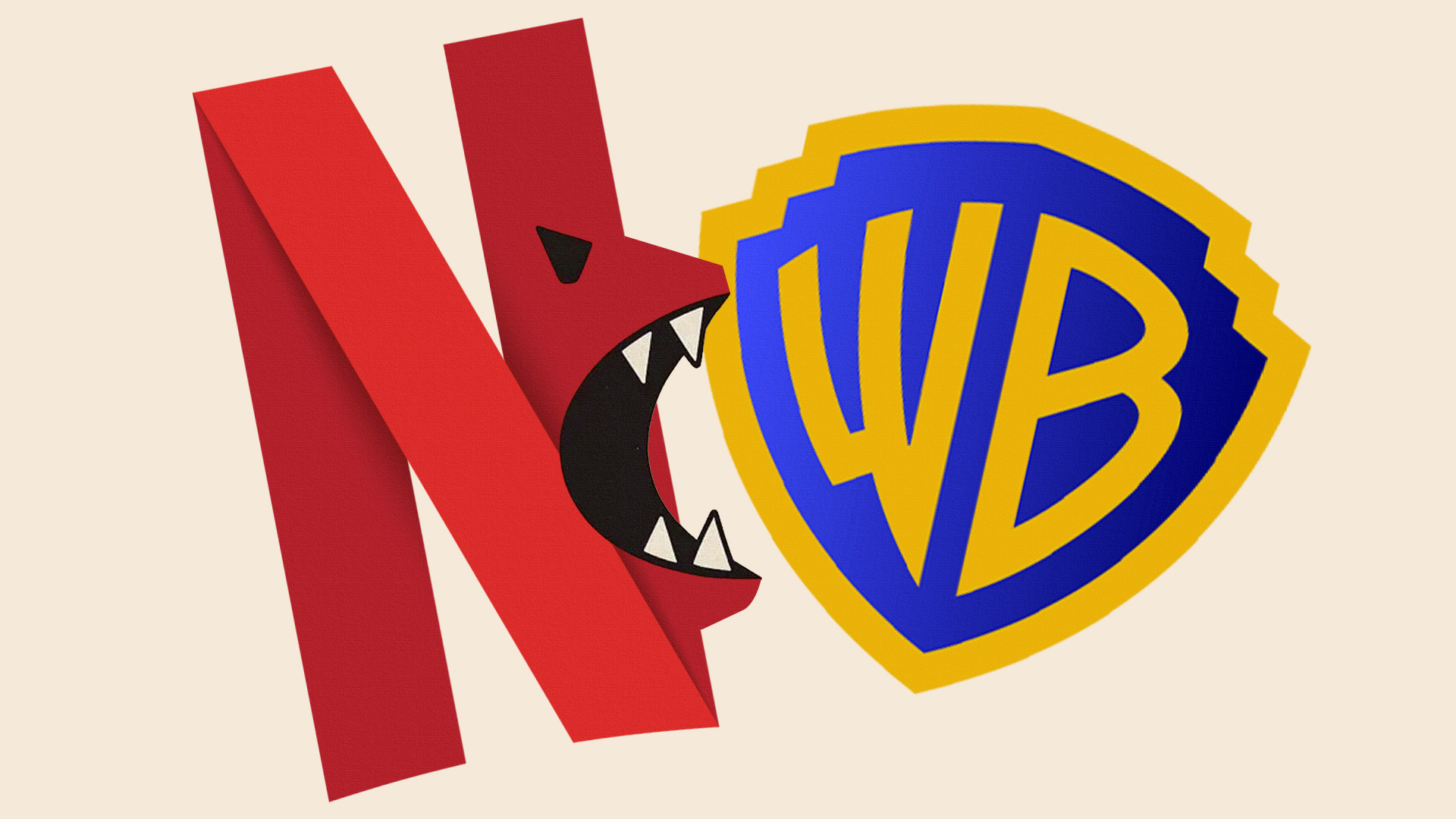
It’s official: Netflix will be acquiring Warner Bros. for the tidy sum of $82.7 billion (an equity value of $72.0 billion). In a press release sent Friday morning, Netflix touted the deal as bringing together “two pioneering entertainment businesses, combining Netflix’s innovation, global reach and best-in-class streaming service with Warner Bros.’ century-long legacy of world-class storytelling.” The release also opened with the bold statement that the “Acquisition Will Strengthen the Entertainment Industry.” How true that is is just one of the big questions created by this news.
In making this deal, Netflix is only picking up Warner Bros.’s studios and streaming business, which is being split off from Discovery and the company’s cable channels. Should the deal go through, it will close in about 12 to 18 months — as we get into below, though, that’s not a sure thing. Because with any deal of this size, a lot remains uncertain.
Will the Netflix-Warner Bros. Deal Actually Happen?
Dwayne Johnson’s Spencer Strasmore reads Senator Elizabeth Warren’s book on an episode of Ballers (HBO)
Betting against a major merger happening in the 21st century feels pretty foolish. But in the immediate aftermath of the Netflix-Warner Bros. announcement, Reuters reports that the deal may receive Congressional pushback and antitrust review from both Democrats and Republicans, not to mention the U.S. Department of Justice.
Related Video
Critics of the deal include Democratic Senator Elizabeth Warren, who called the it “an anti-monopoly nightmare.” Reuters also quoted Republican Senator Mike Lee as saying on X that “increasing Netflix’s dominance this way would mean the end of the Golden Age of streaming for content creators and consumers.” However, searching X for those posts now pulls up nothing, suggesting that Lee recently deleted that post. Lee leads the Senate antitrust committee.
Also protesting the potential deal is a collective of “top industry players” who reached out to members of Congress this week with an open letter. Per Variety, “the communication outlines three areas of great concern, including that Netflix could stand to ‘destroy’ the theatrical film marketplace by escalating or eliminating the amount of time Warner Bros. films would play in theaters before hitting a combined Netflix-HBO Max streaming platform.” The Writers’ Guild of America also protested the deal in a blistering statement:
The world’s largest streaming company swallowing one of its biggest competitors is what antitrust laws were designed to prevent. The outcome would eliminate jobs, push down wages, worsen conditions for all entertainment workers, raise prices for consumers, and reduce the volume and diversity of content for all viewers. Industry workers along with the public are already impacted by only a few powerful companies maintaining tight control over what consumers can watch on television, on streaming, and in theaters. This merger must be blocked.
Additionally, new Paramount owner David Ellison had made an aggressive bid for Warner Bros., and as The Hollywood Reporter observes, Ellison currently has a friendly relationship with the Trump administration thanks to moves like the right-wing makeover of CBS News. While Netflix might have won in the short term, Ellison could still use his connections to block the deal. Paramount has also sent a message to Warner Bros. that alleged the bidding process for the studio has been “tilted and unfair” — potentially laying the groundwork for future legal action to block the deal. A lot can still happen here.
What Does This Mean for Warner Bros. and Theatrical Distribution?

Christopher Nolan at the 2024 Academy Awards, photo by Trae Patton / ©A.M.P.A.S.
One of the industry’s biggest concerns about this deal is what happens to Warner Bros.’s theater-first movie business. According to Netflix, it’s simple: “Netflix expects to maintain Warner Bros.’ current operations and build on its strengths, including theatrical releases for films.”
On a call with investors Friday, Netflix co-CEO Ted Sarandos said that “We’ve released about 30 films into theaters this year, so it’s not like we have this opposition to movies in theaters… My pushback has been mostly in the fact of the long, exclusive windows, which we don’t really think are that consumer-friendly.” Given that theater chains like AMC and Regal rely on those exclusive windows as a key part of their business model, this could be a major friction point looking forward.
Netflix might take note of one big thing: When Warner Bros. did experiment with release windows in the immediate aftermath of the pandemic, its Project Popcorn program led to the end of the company’s relationship with director Christopher Nolan. The result: Nolan made his next movie for Universal. That movie was Oppenheimer, which won the Oscar for Best Picture — the one prize Netflix has not yet been able to acquire.
How Does This Change the Streaming Game?

Friends (HBO Max)
Combine Netflix and HBO Max, and the streaming wars become a battle between FlixMax (or whatever the hell they end up calling it) and Disney’s own network of platforms, including Disney+, Hulu, and ESPN+. ESPN gives Disney an advantage when it comes to the sports side of things, but for those purely interested in scripted content Disney may find itself at a disadvantage.
Netflix acquiring Warner Bros. also means that Paramount and Comcast (which owns Peacock) can’t have it — and for both of those companies, it means losing out on having enough content to compete with Netflix. This could mean a future sale for Peacock, given the service’s lack of scale and international presence. And other smaller streamers, even Prime Video, all become boutique services by comparison.
As you can see from the above, there are still a lot of concerns to be sorted out, including, ultimately, whether this deal will, in fact, strengthen the entertainment industry. It’ll certainly strengthen the Net-bo library: Blending the titles owned by these two companies will mean a huge boost in Netflix’s collection of older movies and series, something its own catalog has always lacked without the support of licensing deals.
Yet that feels like only a small benefit, compared to the continued contraction of the industry this deal represents, which ultimately feels like it will lead to fewer opportunities for great stories to be told. And by the time we find out for sure… It’ll be too late to do anything about it.
