

Warning! This post contains SPOILERS for Wicked: For Good
Wicked: For Good delivers a dramatic finale, completing the story of Elphaba Thropp and the real story behind her transformation into the Wicked Witch of the West. Having never familiarized myself with the original stage show until after seeing both movies, I was fascinated to see the similarities between Wicked: For Good’s ending and a major Christopher Nolan movie.
Wicked: For Good’s ending and the culmination of Elphaba Thropp’s story is defined by her decision to step aside, allowing Glinda the Good to do what she never could and restore Oz. I found Wicked: For Good’s ending to be quite captivating, especially given its parallels to one of my favorite Nolan films: 2008’s The Dark Knight.
Elphaba Choosing To Be The “Wicked Witch” Mirrors Batman’s Decision In Nolan’s The Dark Knight
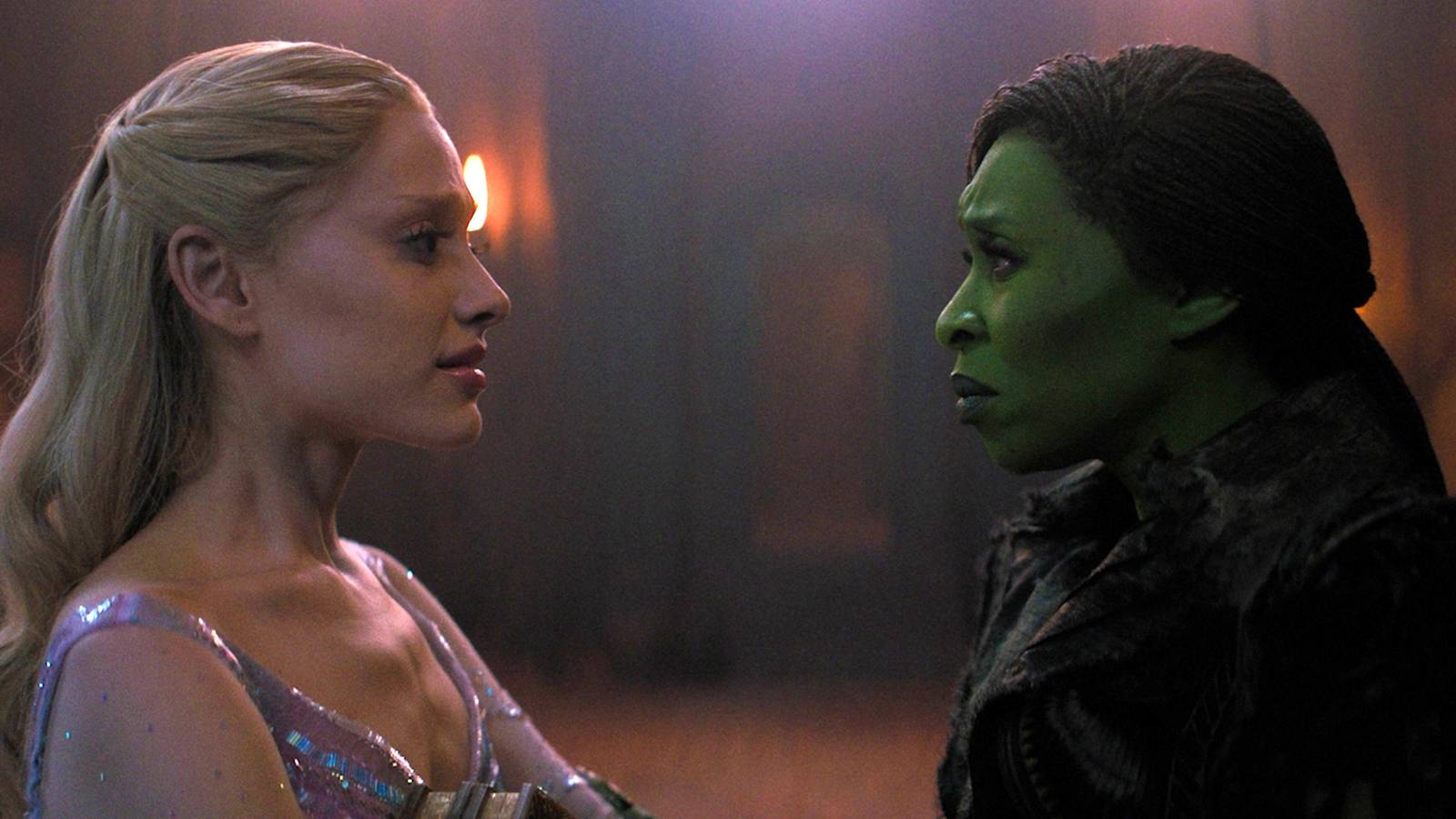
At the end of Wicked: For Good, Elphaba chooses to let Oz continue believing that she is indeed as Wicked as the Wizard and Madame Morrible said she was. Recognizing the risks and danger of challenging a long-held narrative the public has already fully accepted, Elphaba chooses secrecy rather than plunging Oz into further chaos.
Accepting the “Wicked Witch” role, Elphaba allows herself to be “defeated” by faking her death at the hands of Dorothy Gale, allowing Glinda to step in and lead Oz with the Grimmerie (after forcing the Wizard to leave Oz and arresting Morrible).
Perception is the reality, and Elphaba manages to use her perceived villainy as a shield to protect those she loves while also achieving her goals through Ginda (even though it costs her reputation).
Similarly, Batman makes a very similar sacrifice in 2008’s The Dark Knight, directed by Christopher Nolan. After Harvey Dent was corrupted by The Joker, Batman chooses to take the blame for Two-Face’s murders, becoming the villain the public can blame while maintaining Dent’s reputation as Gotham’s hero and preserving its fragile optimism and hope.
Like Elphaba, Batman traded personal righteousness and his reputation for the good of the people.
Both characters come to understand the societal infrastructure of their worlds. Their willingness to fall on the wrong side of the moral reflects a profound sense of duty and true heroism (even if it isn’t recognized). Elphaba becomes Wicked, and Batman becomes The Dark Knight, because both understand their people need the right story more than they need the factual truth.
Oz Needed A “Wicked” Villain Just Like Gotham Needed A “Fallen” Hero

Oz’s carefully crafted political structure thrived on the simple concepts of good and evil presented by the Wizard: one figure to fear and another to admire.
By Wicked: For Good’s final act, Elphaba conceded, realizing that disrupting this delicate balance would do more harm than the good she was trying to achieve. By embracing the mantle of Wickedness and meeting her “demise”, she preserves Oz’s sense of control, giving Glinda the space to guide Oz toward a better future instead.
Likewise, Nolan’s Gotham operated in a similar fragile state. Together, Batman and Gordon decide the truth about Dent will destroy the city’s morale. Gotham needed to keep believing in Dent as their “White Knight”. This is why Batman chose to become the villain, as the alternative would collapse the city’s newfound hope when the city needed it most.
Both films highlight a compelling concept: societies often cling to comfortable narratives and perceptions instead of confronting more complicated realities. As the most direct parallel, both the citizens of Oz and Gotham never realize how much they owe to the figures they were led to hate, fear, and despise.
Glinda And Gordon/Dent Rise Because Someone Else Takes The Fall

Elphaba’s decision is what allows Glinda to ascend as Oz’s true guiding force of Goodness. Having long represented the ideals, the people are far more willing to accept her, having already been driven to believe she stood in direct contrast to the fabricated threat of the Wicked Witch.
Elphaba steps back so Glinda can step forward as an actual force of good. It’s an act of faith, demonstrating Elphaba’s trust in her friend’s growth and ability to lead with genuine kindness: “We can’t let Good just be a word.“
Batman makes a parallel choice in The Dark Knight when he allows Commissioner Gordon and Dent’s memory to shape Gotham’s future. The city sees Batman as the predominant threat, allowing hope to endure. As such, The Dark Knight ends with Batman retreating into the shadows for years, clearing the stage for others to steer Gotham forward.
Elphaba’s fall enables Glinda’s rise, just as Batman’s self-imposed exile strengthens Gotham’s institutions and the legacy Dent left behind. Both characters forfeited their public images in the name of the true greater good, even if that meant embracing the role of the villain. As a result, their very similar choices reveal that sometimes, the greatest heroes may be the ones who are remembered as such the least.
Wicked: For Good is now playing in theaters, while The Dark Knight is currently streaming on HBO Max.
