

The first ten minutes of a horror movie can make or break its legacy. When a film instantly defines its tone with a succinct and thrilling opening scene, it’s obvious the movie will be something special. The very best did more that simply hook viewers in, they signalled a masterpiece from the very first frame.
Across horror history, certain films have delivered iconic beginnings that established their themes with startling precision. Whether through shocking scares or immersive worldbuilding, these introductions proved their movies were operating on another level. They remain benchmarks all horror filmmakers study, celebrate, and aim to replicate.
Dawn Of The Dead (2004)
Zack Snyder’s Dawn of the Dead wastes no time throwing viewers into chaos. The opening ten minutes follow Ana finishing her hospital shift and returning home to a quiet suburban night. Everything feels normal, but the film subtly builds tension with news reports and eerie neighborhood details suggesting something catastrophic is about to happen.
When Ana awakens the next morning, the movie explodes into full panic. A young neighbor enters the home zombified, launching the film into a shocking attack sequence. The speed, violence, and disorientation immediately establish the remake’s identity: faster zombies, relentless danger, and a world collapsing with no warning. It’s horror with urgency.
Then comes the iconic titled sequence. The Dawn of the Dead opening titles is perhaps the greatest in horror history, with startling visuals depicting the zombie hordes taking over the world. These ten minutes promise a high-intensity, brilliantly directed reinvention of Romero’s classic.
November (2022)

November opens like a surreal nightmare woven from ancient folklore and stark black-and-white imagery. In the first ten minutes, viewers are introduced to the film’s strange rural village, where supernatural creatures wander freely. A sentient kratt (an eerie construct made of tools) immediately signals that the movie exists in a world governed by myth rather than logic.
The opening scenes establish November’s tone through haunting visuals and darkly comedic touches. A villager bargains with the Devil, while others attempt bizarre rituals to secure small advantages for the upcoming winter. These moments create an atmosphere both unsettling and strangely playful.
It declares a story rooted in strange moralities and desperate survival. By the ten-minute mark, it’s clear November is a unique hybrid of horror, fantasy, and folklore absurdity. Its striking cinematography and unpredictable worldbuilding promise a mesmerizing experience unlike anything in modern genre filmmaking.
It Follows (2014)

It Follows begins with an unforgettable tracking shot of a terrified girl running from an unseen threat. She flees her house, circles her neighborhood, and jumps into her car, utterly panicked though no one else can see what’s stalking her. In mere minutes, the film builds mystery and dread masterfully.
The next morning, her mutilated body appears on a beach – establishing the silent threat as both real and deadly. This grim reveal sets the stage for a story where supernatural rules matter deeply and every choice has lethal consequences. The audience realizes the film won’t rely on jump scares but on a creeping sense of inevitability.
The opening of It Follows promises an elevated horror film defined by atmosphere, tension, and a brilliantly simple concept. The movie’s slow-burn terror and striking visual language are already fully formed. It suggested a modern classic from the very start.
Jaws (1975)

Jaws opens with one of the most iconic sequences in film history. A young woman goes for a nighttime swim, unaware she’s being stalked beneath the waves. The eerie quiet, paired with John Williams’s legendary score, creates immediate tension and tells viewers something monstrous is lurking just out of sight.
When the shark strikes, the attack is chaotic and terrifying precisely because viewers still never see the creature. Spielberg’s direction focuses on her helpless thrashing and the water’s violent movement, establishing suspense through restraint. It’s a textbook example of how to scare audiences without revealing the threat.
It tells viewers everything they need to know about the movie while establishing its visual language. It is a film where the unseen is deadly, nature is merciless, and danger arrives without warning. Jaws announces its cinematic brilliance instantly through mood, pacing, and iconic sound design.
A Nightmare on Elm Street (1984)

Wes Craven’s classic A nightmare on Elm Street begins with Freddy Krueger crafting his infamous glove in a grimy boiler room. The opening minutes introduce the dreamlike logic of the story, blending reality with chilling nightmare imagery. Strange noises, flickering lights, and smoky shadows create a claustrophobic environment before any character appears on-screen.
The tone shifts to Tina’s nightmare, where Freddy stalks her through a labyrinth of pipes and steam. His distorted laughter and sudden appearances signal a new kind of horror villain: one who can attack anywhere, anytime. The scene’s surreal transitions emphasize that the dream world is unpredictable and deadly.
This succinct and terrifying opening scene conveyed everything viewers needed to understand the film’s central terror. Sleep itself is the enemy. The creativity, atmosphere, and originality of the nightmare sequence establish A Nightmare on Elm Street as a groundbreaking slasher.
Frankenstein (1931)

Frankenstein opens with a chilling graveyard sequence as Dr. Frankenstein and Fritz dig up a corpse under the cover of night. This macabre act sets the film’s gothic atmosphere immediately. Fog, tilted gravestones, and eerie shadows indicate that viewers are entering a world where science and morality collide in disturbing ways.
The following scenes show Frankenstein preparing for his infamous experiment. The laboratory brims with bizarre contraptions and ominous machinery. These visuals create a sense of dangerous ingenuity, hinting that the doctor is obsessed with crossing boundaries no scientist should approach.
It’s thrilling and unsettling. When the ten-minute mark arrives, Frankenstein has already demonstrated its bold ambition. The atmosphere, set design, and themes are unmistakably powerful, hinting at a masterpiece exploring life, death, and the consequences of scientific hubris.
House Of 1000 Corpses (2003)

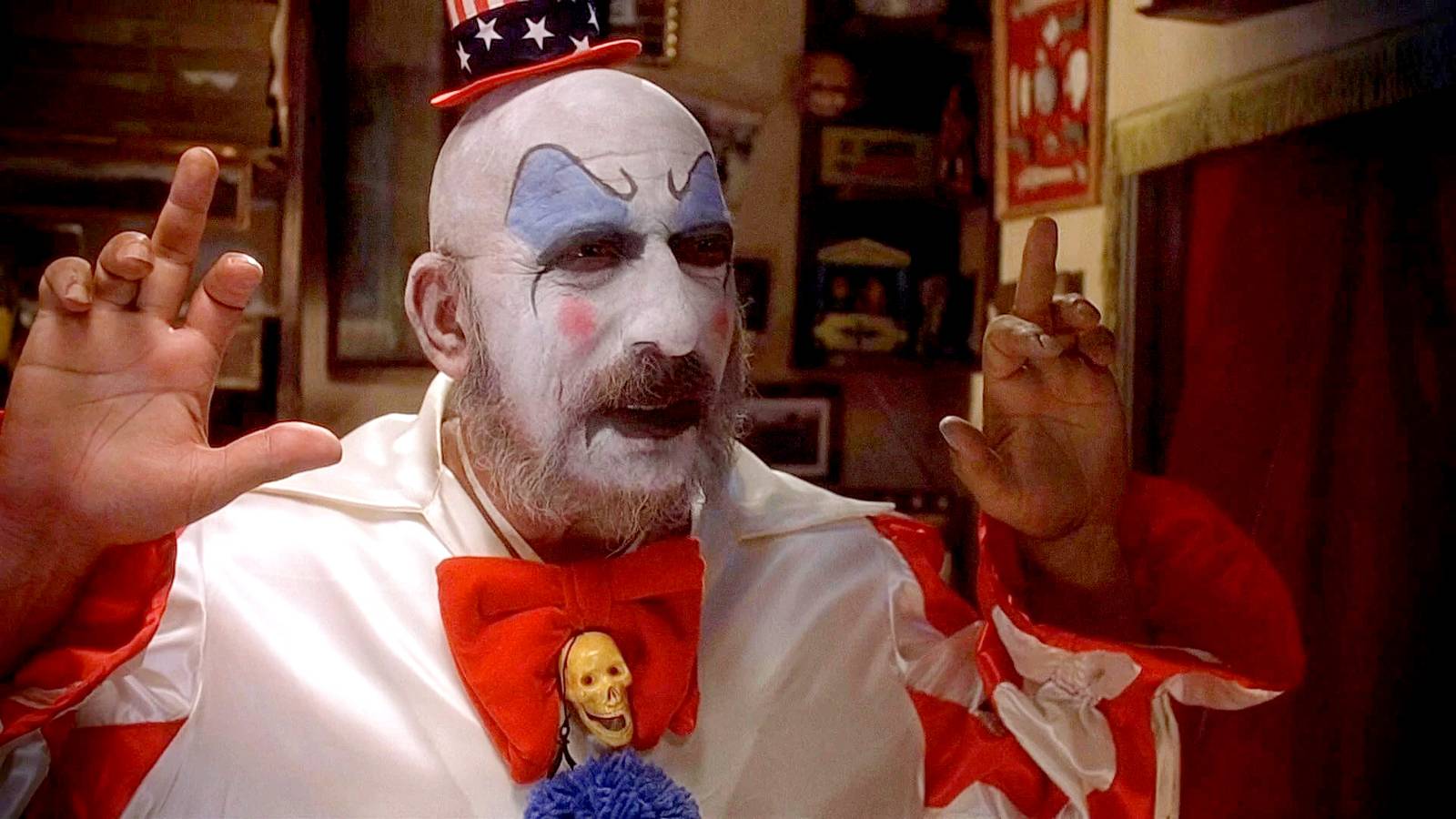
Rob Zombie’s debut House of 1000 Corpses opens with a robbery sequence inside Captain Spaulding’s gas station, immediately establishing its chaotic tone. The mix of dark humor and sudden violence tells viewers this movie embraces pulpy, exploitation-style horror unapologetically. This tension between comedy and brutality becomes part of its unsettling identity.
House of 1000 Corpses then introduces the traveling protagonists, who are documenting roadside oddities. Their encounter with Spaulding feels off from the start. He’s charismatic but undeniably menacing. The strange atmosphere, combined with the bizarre museum exhibit, creates unease long before any actual danger arrives.
The House of 1000 Corpses world feels deranged and unpredictable. It’s already clear the film operates on its own twisted wavelength. The tone, visuals, and characters promise a wild descent into madness, delivered with confidence and a flair for gritty horror spectacle.
The Texas Chainsaw Massacre (1974)

The Texas Chainsaw Massacre opens with disturbing narration and grotesque images of unearthed corpses. The documentary-style presentation instantly grounds the terror in grim realism. Within minutes, the audience senses the film’s raw, unpolished energy – something truly horrifying lurks in this version of rural America.
The introduction of the traveling group sets a deceptively calm tone. Sun-bleached Texas landscapes and slow, atmospheric pacing contrast sharply with the grotesque imagery that opened the movie. The hitchhiker scene quickly shatters that calm, revealing unpredictable violence to come.
These opening minutes show that The Texas Chainsaw Massacre isn’t interested in conventional scares. It’s a gritty, relentless descent into terror based on atmosphere and dread. The movie’s documentary realism and unfiltered intensity make it obvious early on that it will become a genre-defining masterpiece.
28 Days Later (2003)

28 Days Later opens with a gloomy and terrifying lab scene that instigated the rage virus narrative. The subsequent minutes show London abandoned, transformed into a silent wasteland. Jim awakens alone in a hospital, wandering through empty streets and landmarks that normally teem with life. This haunting imagery immediately sets 28 Days Later apart.

Each 28 Days Later Movie’s Most Terrifying Scene Explained
The 28 Days Later franchise has featured some of the scariest horror scenes of the 21st Century, but which are the best sequences from each movie?
As Jim explores the city, the quiet becomes suffocating. Posters warn of evacuation, belongings are scattered, and overturned buses hint at sudden catastrophe. The worldbuilding is subtle yet powerful, painting a picture of total societal collapse before any infected appear. The dread steadily grows as the typically bustling streets are left hauntingly abondoned.
When Jim finally encounters the infected, the film erupts with terrifying speed and aggression. These opening minutes reveal a bold new take on zombie horror: fast, frantic, and grounded. The stark tone and brilliant pacing announce a modern masterpiece instantly.
Scream (1996)

Scream’s opening is one of the most celebrated in horror history. Casey Becker’s phone call starts playful but quickly becomes sinister as the mysterious caller reveals he’s watching her. The tension escalates naturally, demonstrating Wes Craven’s mastery of suspense and meta-aware dialogue. The dread builds with each minute.
Scream then weaponizes audience expectations. Instead of treating Casey as a long-term protagonist, it brutally dispatches her within the first ten minutes. Her desperate chase, failed escape, and tragic death show that the movie isn’t bound by traditional slasher rules. No character is safe – not even major stars.
These early minutes redefine the genre, blending razor-sharp writing, real danger, and self-aware humor. Viewers immediately understand they’re witnessing a fresh, clever masterpiece that revitalizes horror by honoring and subverting its conventions. Scream delivered one of the most dynamic and genre-defying opening scenes in horror history.
-

November
- Release Date
-
October 22, 2017
- Director
-
Rainer Sarnet
- Writers
-
Rainer Sarnet, Andrus Kivirähk
-
-
-
-

The Texas Chainsaw Massacre
- Release Date
-
October 17, 2003
- Runtime
-
98 minutes
- Director
-
Marcus Nispel, Kenny Bates
- Writers
-
Kim Henkel, Tobe Hooper, Scott Kosar
-
-