

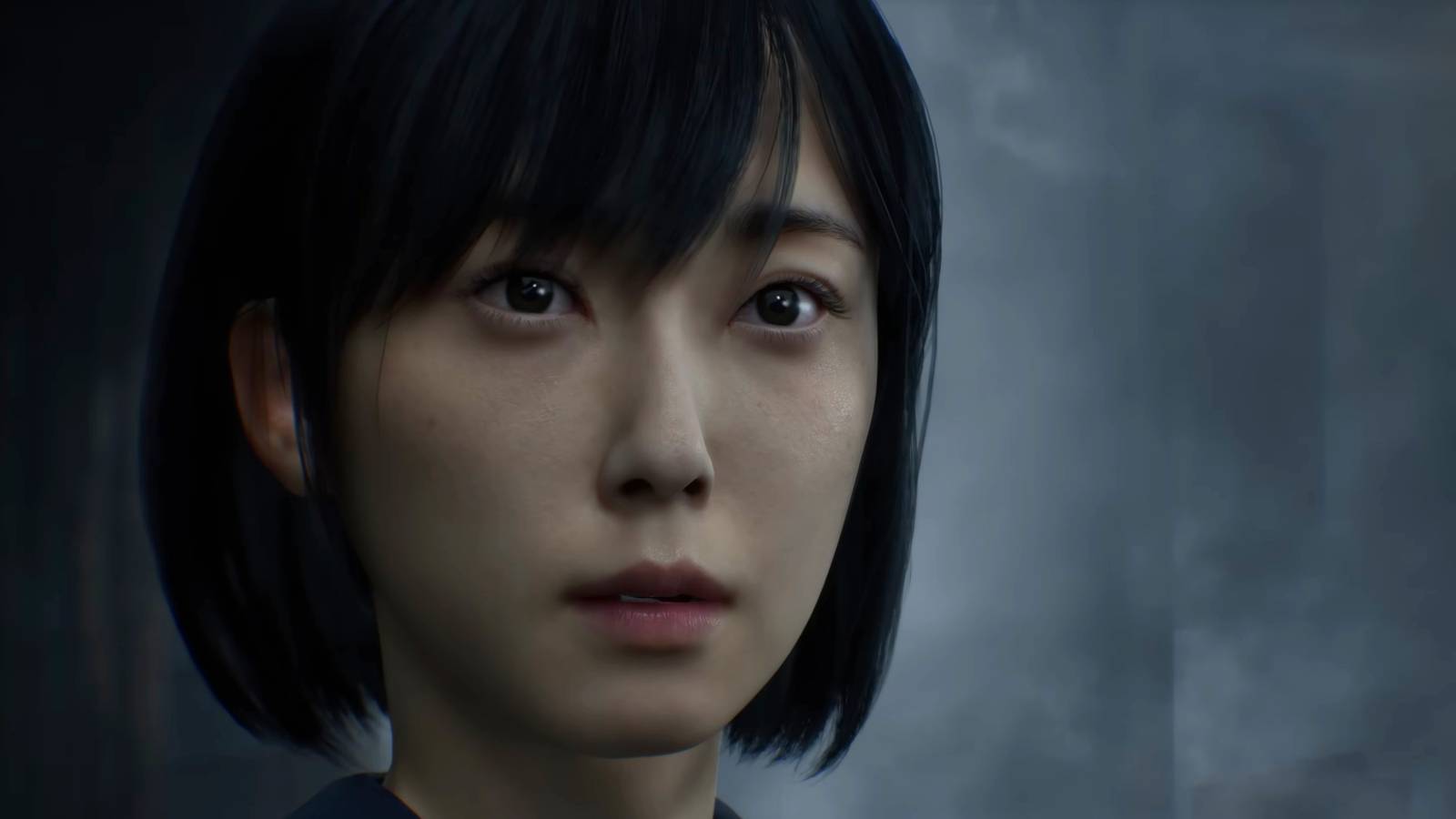
Konami has outlined an ambitious plan for the future of Silent Hill, but it may not be what you wanted to hear. Between the Silent Hill 2 remake, this year’s Silent Hill f, and any number of other Silent Hill releases on the horizon, the classic survival horror series has made a thorough comeback.
It’s no surprise that Konami wants more of a good thing, but their plan for the series is scarcely as expected. As reported in The Sixth Axis, Silent Hill producer Motoi Okamoto wants to turn it into an annual franchise. “We aim to release about one title per year, including both announced and unannounced titles,” he’s quoted as saying.
Konami Wants More Regular Silent Hill
One Game A Year
Now, at least for the next few years, Konami may very well have this annual release thing covered. Bloober Team’s Silent Hill remake is currently in development. There’s also Screen Burn and Annapurna’s Silent Hill Townfall, which, as far as we know, is still upcoming, and the Return to Silent Hill film, which is due out in January 2026.
But even Okamoto admits that a Silent Hill release every year is an ambitious goal. “We’re not sure how far we can achieve this, but we’ll do our best as the producer of the Silent Hill series. Ideally, we’d like to keep the buzz around Silent Hill constant.”
In other words, he projects that Konami may be able to keep up with annual releases over the next few years, but after that, development may slow a bit. Even so, that’s a lot of SIlent Hill on the horizon, which has both its pros and its cons.
Should Silent Hill Release Annually?
What’s Best For The Series

But there are risks to an annual franchise. For one thing, if these games are rushed to completion, they may turn out buggy, clumsy, and unfinished. I’m willing to sacrifice annual releases for high-quality, polished games with longer gaps between them.
Of course, Konami likely won’t be developing all these new releases in house. The Sixth Axis notes that Konami likely plans to continue using the same strategy to keep multiple Silent Hill games in development at once: shopping the series out to various third-party developers.
Now, that’s an interesting concept. I appreciated Silent Hill f‘s willingness to break away from its titular setting, and I’d be glad to see the series continue to expand outward in new ways over time as new developers add their unique visions.
But you can have too much of a good thing. I doubt most Silent Hill fans are desperate enough for new content that they demand a new game every year, and will forget about the franchise if it goes on hiatus.
Speaking for myself, I’d rather see new Silent Hill games only whenever Konami or another developer has a good idea for a new one. SIlent Hill is very conceptually flexible, but with a new game coming out every year, there are bound to be a few duds.
With an annual franchise, you also run the risk of fatiguing your fans. Beating a Silent Hill game, especially a traditional one with multiple endings, is a time-consuming process, one that’s hard to make space for every year. Not to mention that, if all future Silent Hill games are full-price, they’ll get rather expensive.
If you’re a fan of the series, a new release every year might sound like the best possible outcome. But it’ll be difficult to deliver on the same kind of depth and quality classic Silent Hill is known for year after year, so turning it into an annual franchise is a risky proposition.

- Created by
-
Keiichiro Toyama
- First Film
-
Silent Hill
- Latest Film
-
Silent Hill: Revelation 3D
- Upcoming Films
-
Return to Silent Hill
- Cast
-
Radha Mitchell, Sean Bean, Laurie Holden, Adelaide Clemens, Kit Harington, Deborah Kara Unger, Malcolm McDowell
- Movie(s)
-
Silent Hill, Silent Hill: Revelation 3D
Silent Hill is a psychological horror franchise that began with the 1999 video game created by Keiichiro Toyama and developed by Konami. The series is known for its eerie atmosphere, complex narratives, and disturbing imagery, centering on the mysterious town of Silent Hill, where characters confront their darkest fears and traumas. The franchise expanded beyond video games to include films, comics, and other media, making it a lasting part of the horror genre. With its combination of survival horror and psychological elements, Silent Hill has influenced not only gaming but also horror storytelling in broader media.
