

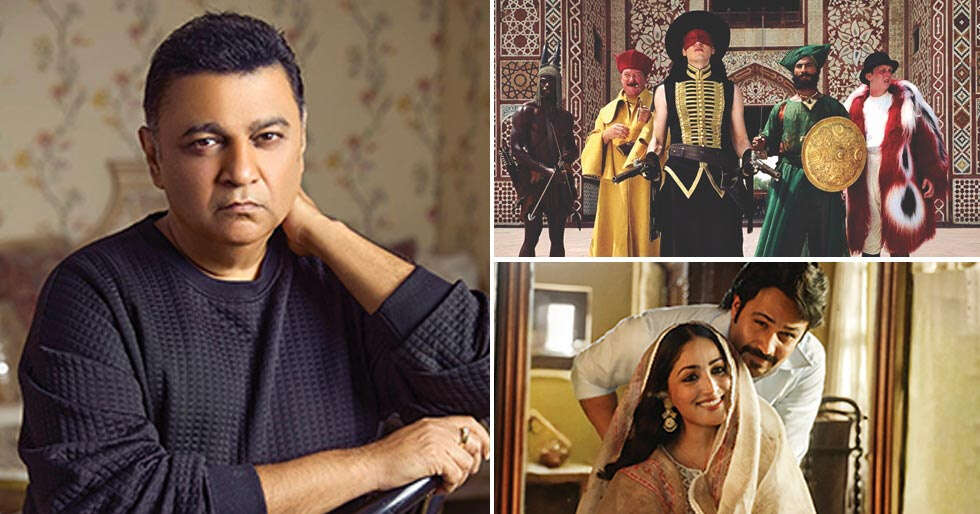
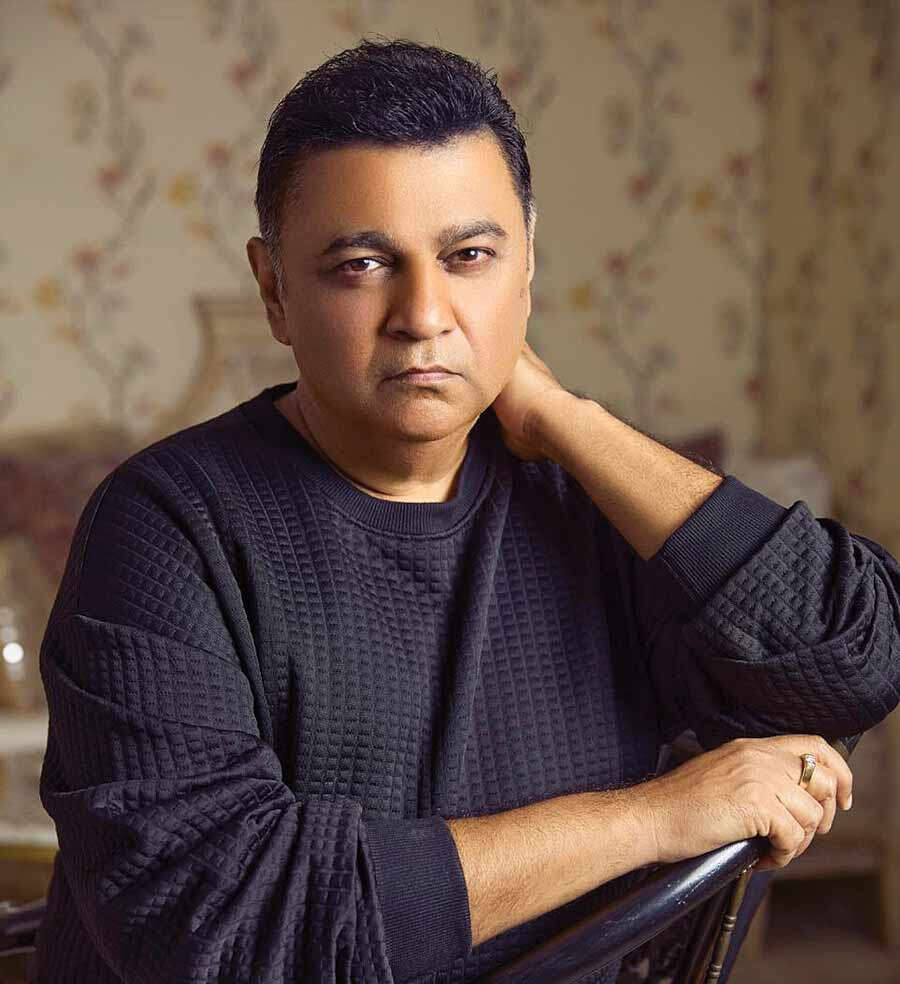
Ashley Rebello immersed himself in the bylanes of Lucknow and Indore, slipping into weddings uninvited and striking up conversations with strangers, all in a bid to understand how Muslim families truly dress in their everyday lives. Determined to move beyond familiar clichés, he wanted the world of Haq to feel lived-in and honest. The Suparn Verma–directed film, starring Emraan Hashmi, Yami Gautam and Vartika Singh, demanded that level of rigour, and Ashley approached each character with the same meticulous care. For Emraan’s look, he spent time with lawyers in Lucknow, studying their silhouettes and subtleties. For Yami and Vartika, he drew from the wardrobes of the mothers and sisters of his closest friends, observing the quiet elegance of their personal style. Every garment, he emphasises, was hand-stitched, not plucked off a store rack. Reflecting on how the ease of fashion access today has reshaped the craft, Ashley travels back to his early days on Jo Jeeta Wohi Sikandar and his work with Karisma Kapoor, Aamir Khan, Sonali Bendre and Tabu. He recalls how, back then, film costumes often sparked trends, outfits were copied and recreated everywhere, something he believes has faded in the current climate. Before signing off, Ashley also leaves us with a handful of styling insights. Here are excerpts from the conversation.
How did you approach the styling in Haq?
Back in the ’70s my parents never wore bell-bottoms, or my mom never wore the regular kind of sarees and salwar kameez. She always bought fabric and would cut fits from one saree to the next one. There was a newness to everything that she brought in her clothes. Suparn gave me a lot of liberty. Everything was stitched.
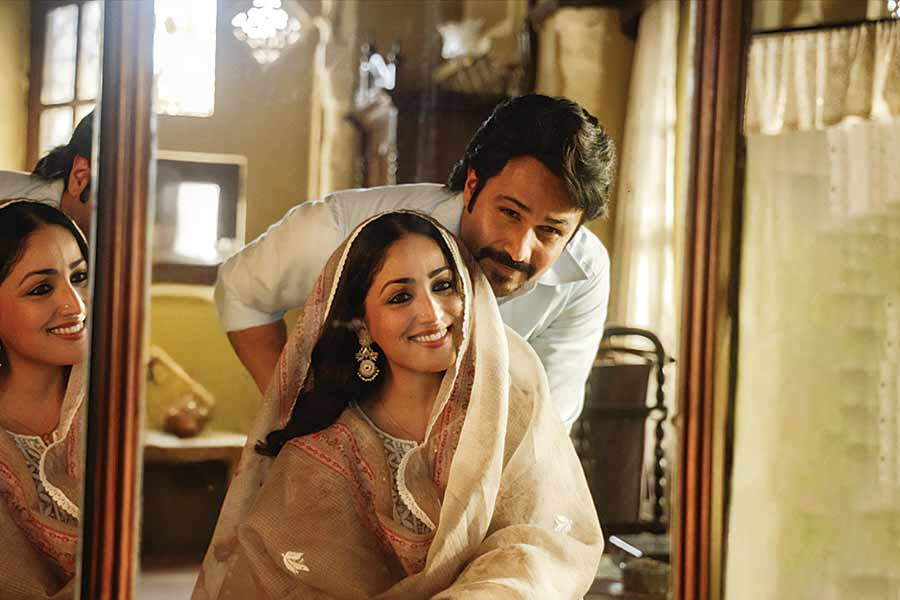
I travelled to Lucknow, Indore and a few other places, meeting different people through friends, even attending weddings uninvited. I made a whole load of new friends.
I wanted to observe how women still carry their dupattas in everyday life. I’d also think about how Tabu would just hold her dupatta so effortlessly, or like Aamir Khan’s sisters would sit so casually in their salwar kameez. That ease is a character in itself. I got beautiful salwar kameezs made and done from Lucknow, from destitute women, who are carrying on this legacy for years and years.
The final scene where the verdict is announced. Suparn wanted something in green, with a border, that looked like a shawl but still felt like a dupatta. It was insane because I was trying to get the colour right, then I had to dye it, fix the border by cutting one off a different shawl and attaching it. It was like a nightmare. But I still had to create multiple options. And here’s what designers do that directors don’t know: we make two really bad ones and one really good option that we actually want them to pick.
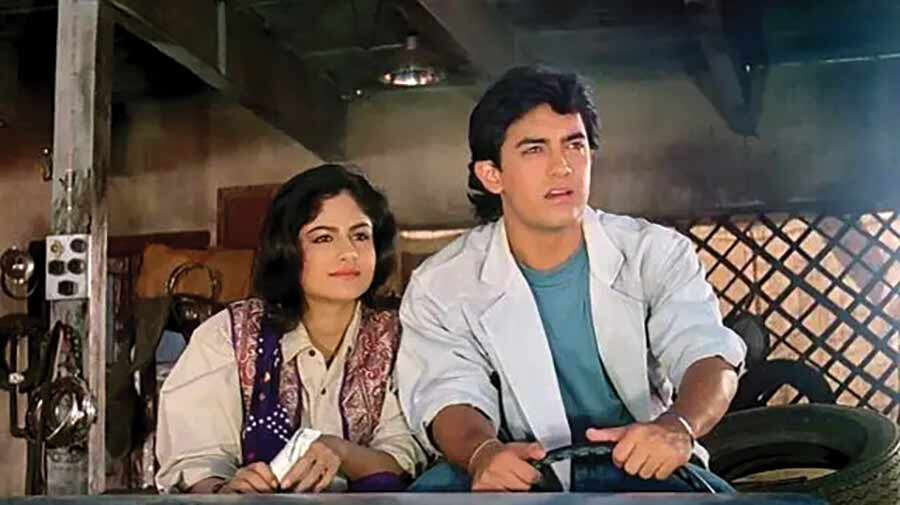
When you look back at your Jo Jeeta Wohi Sikandar days, what do you remember most about those early days of costume design in Bollywood?
Haq was made the way films used to be made back then. There are very few designers nowadays who understand cinema. The younger, newer ones are stylists. They can’t call themselves designers. They don’t design anything; they go and pick up things. If you’re doing a period film, you can’t just buy something off the rack and change the colour. It is not right aesthetically, and it changes the vibe. To keep the mood, visuals and vibe right, you have to have an identity and work around the identity of the character.
If you needed something from Rajasthan, you actually had to travel to Rajasthan to source it. There was no looking at it online, ordering it, and returning it if it didn’t work. Today, at the click of a button, you can get anything and everything under the sun. There’s no hard work with these new lots. Don’t just dress an actress in a designer outfit. See the person, see the character, see what she brings to the table. When you think of Jo Jeeta Wohi Sikandar, you remember Ayesha Jhulka in those shirts with a salwar. That is what costume designing is all about. Giving a character her identity, not picking up clothes from anywhere and everywhere. Look at the earlier Karan Johar movies. People used to copy sarees, trends and everything. After watching Haq, so many women came up to me saying they loved Yami’s dupattas and salwar kameez and asked me where I got those from.
What is your favourite look from the film?
Yami’s wedding look was lovely. After watching the film, a girl told me that she wanted to get married again and wanted me to design her outfit. I used to get these compliments in the days gone by when
I did Karishma Kapoor and Sonali Bendre’s outfits.
I felt that I brought back that era when women would come up to me and say that they wanted similar costumes like those shown in the film.
The actresses you worked with earlier are considered style icons even today…
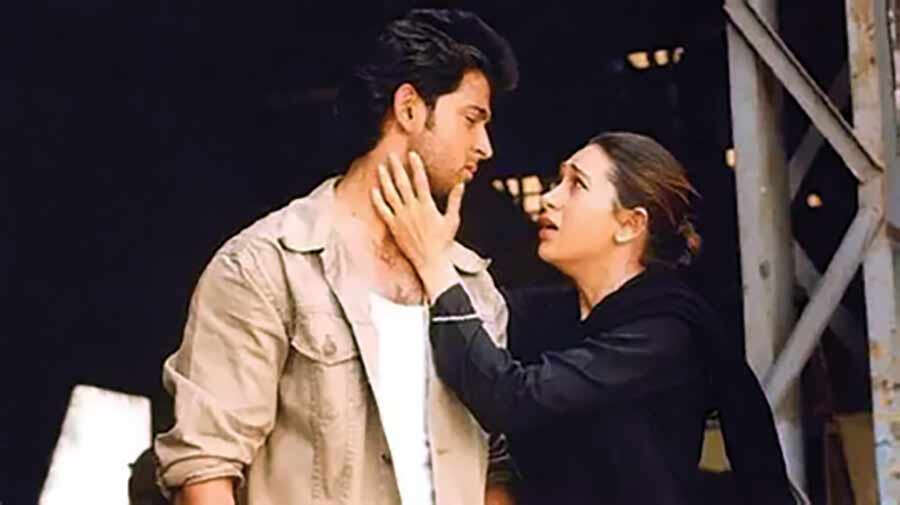
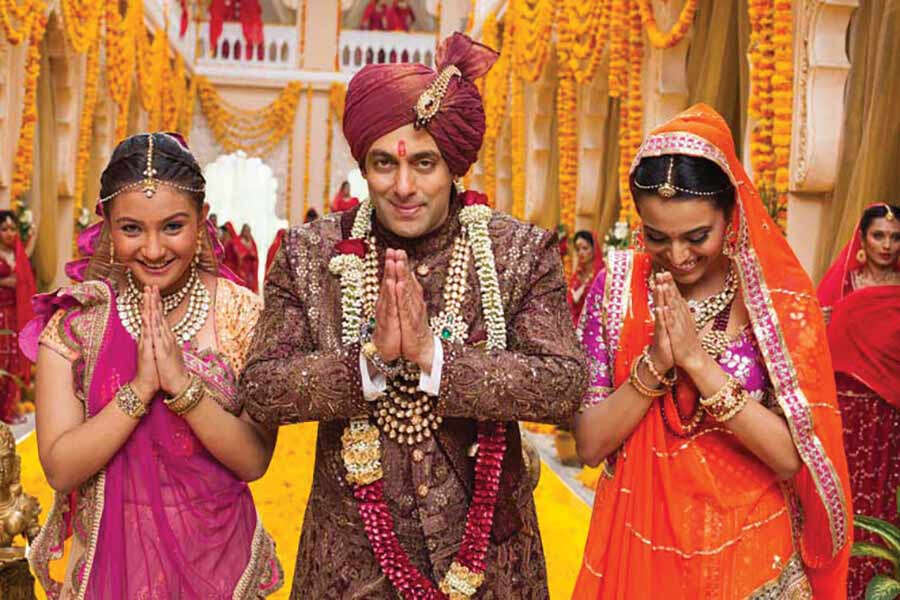
Karisma Kapoor was very dedicated to costumes. She would sit with me on design. I worked with her on Biwi No. 1, Dulhan Hum Le Jayenge, Fiza and so many more films. Everyone told me she never looked prettier in her life than she did in Fiza. Raveena Tandon and Sonali Bendre just had faith that you would do the right thing for the right film. I remember Swara Bhaskar telling me that, despite doing so many films. People only complimented her on her looks in Prem Ratan Dhan Payo. Chandani Bar and Jo Jeeta Wahi Sikandar are some of my favourite films. And Salman Khan’s Wanted. That film changed his look a lot and brought about a style statement.
A young actor who you think knows style thoroughly?
Ishaan Khatter. He effortlessly carries his outfits. I also like a little bit of Ananya Panday’s dresses. I like her style, but she has to find her groove still, where people start following and copying what she wears. Like Kim Kardashian. People follow her blindfolded. We don’t have anybody like that here. And we have so much of beautiful Indian fabrics. One person can really change the game. But they’re so caught up in themselves and don’t want to explore and experiment. They want to be safe with whatever is available.
Also Read: Inside pictures from Iulia Vantur’s birthday bash
