

The golden age of animated superhero shows may have been left in the ’90s with brilliant cartoons starring Batman, the X-Men, and Spider-Man, but the 21st century has provided plenty of worthy follow-ups. X-Men ’97, Justice League Unlimited, The Spectacular Spider-Man, and more – all proof that Hollywood’s post-2000 superhero boom isn’t limited to live-action.
While Marvel and DC remain as dominant as ever in the superhero realm, a series will come along every now and then that not only challenges those comic book giants, it dethrones them. Looking at animated superhero output over the past 25 years, the best release stands boldly apart from the status quo.
Invincible Has Taken Animated Superheroes To A Whole New Level
Based on the comic series by Robert Kirkman, Invincible brings a more mature edge to superhero animation through its graphic violence and adult themes, but it isn’t the sight of Mark Grayson’s features splattered across his face that makes Invincible special.
By playing to a broader demographic, Invincible has license to go deeper with its characters, and it takes full advantage. Mark’s animated world is filled with individuals who break your heart – among Invincible‘s main cast, sure, but the series has a special knack for giving minor characters powerful arcs.
Atom Eve is a shining example of the former. Already a compelling figure from season 1, Invincible granted her a one-off special and transformed Eve into a powerhouse of characterization. Every time Eve visits her parents’ house expecting to be berated, viewers can experience a wave of relatable sadness for this pink, godlike entity. Therein lies the delicate balance of reality and fantasy that makes Invincible great.
It happens with less prominent characters too. Powerplex only features in a handful of episodes, but his moral collapse becomes the emotional linchpin of Invincible season 3. It speaks volumes that Aaron Paul will step down from the role in season 4 after citing its intensity and the negative emotional impact of playing Powerplex.
But Invincible isn’t an all-time great show because it repeatedly hits viewers around the head with a big, miserable stick. The series affords itself a wide tonal palette by offsetting those heavy emotions with wacky humor. For proof, look no further than season 2’s comic-con sequence, in which Mark explains in detail the shortcuts used by animators to save time… as Invincible itself does those very things in the background.
With gags like this, as well as comedic characters like Shapesmith and Allen the Alien, Invincible gets away with the kind of devastating tragedies other animated superhero shows simply wouldn’t touch. By being equally adept at quirky comedy, Invincible becomes a very complete, well-rounded experience.
Invincible Still Owes A Debt To Marvel & DC

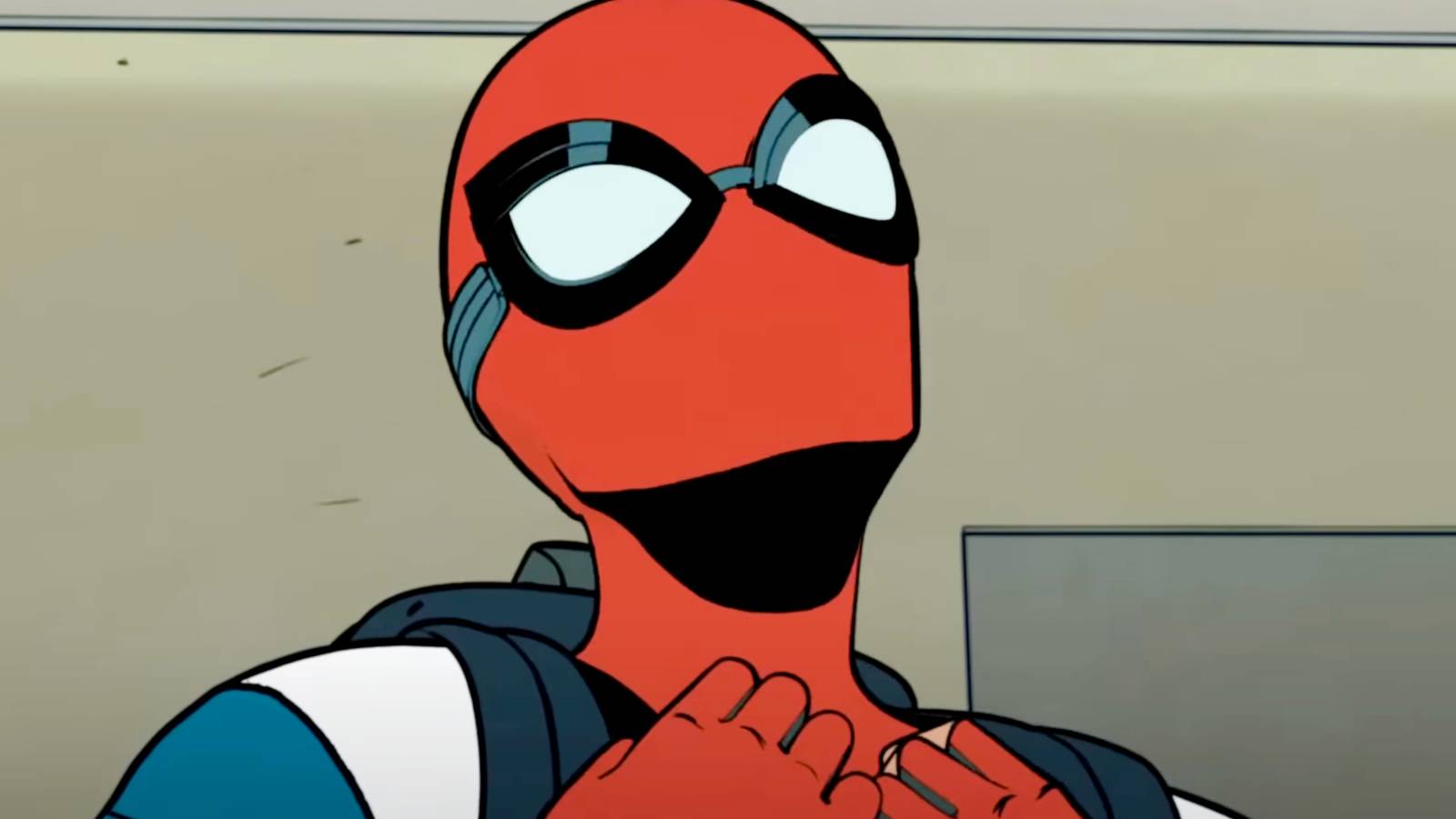
Invincible may not emanate from the production lines of Marvel or DC, but the influence of both is still palpable. On the surface, a small bunch of characters are blatant parodies of more famous heroes. Darkwing is Batman, the original Guardians of the Globe roster is essentially a knock-off Justice League, and Agent Spider is Spider-Man. In the original comics, Invincible actually encountered the real Spidey in a Marvel crossover.
Even if you remove the direct counterparts, however, Invincible still has the hallmarks of a Marvel or DC comic book story. The premise of a teenager balancing normal life with being a secret superhero wouldn’t exist without Stan Lee and Spider-Man. The corruption of an all-powerful hero has been explored through Superman, with Invincible‘s Viltrum putting a darker twist on Krypton.
The superhero politics behind Mark’s clashes with the GDA also formed the basis of Marvel’s Civil War, while Angstrom Levy’s multiverse of madness could be compared to Kang the Conqueror. It’s clear that Invincible has found inspiration in the two pillars of comic book superheroes, but how it adapts those tropes into something entirely new is the true mark of Invincible‘s superiority.

- Release Date
-
March 26, 2021
- Network
-
Amazon Prime Video