

Classic novels like The Great Gatsby, Of Mice & Men, and many more are wasted on the young. These books are revered by lit fans, but their mainstream reputation is hampered by the fact that generations of students have been forced to read them, rather than discovering them on their own.
The truth is: Shakespeare is awesome. The Catcher in the Rye is legitimately great. And Gatsby isn’t all that hard to read, after all.
This list is for the legions of people who were turned off of reading by boring English classes, burnt out English teachers, and outdated curriculums.
“The Great Gatsby”
Best Age To Read: In Your 40s
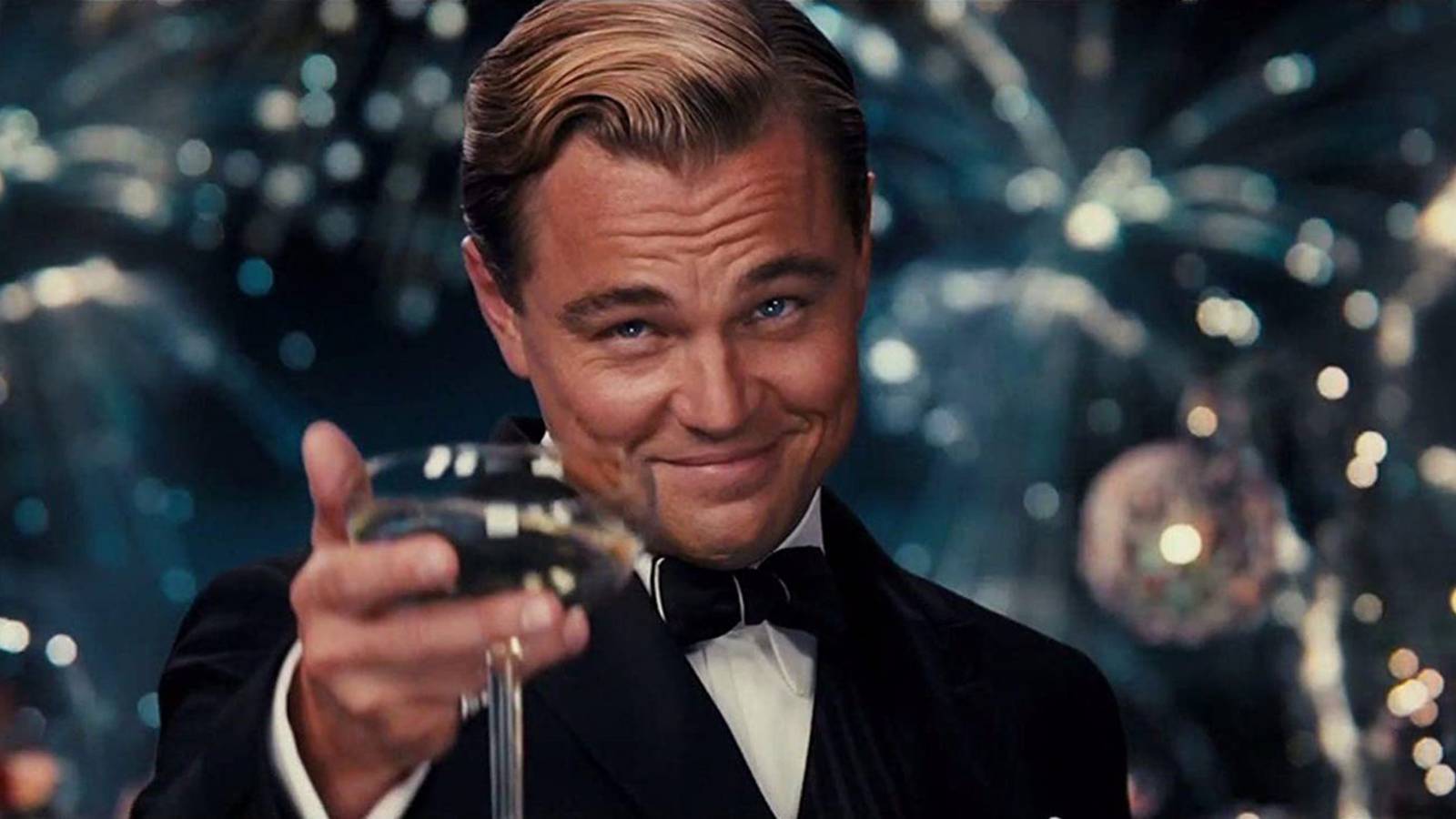
The Great Gatsby is a book about longing. About yearning. Except most high school sophomores are too busy yearning to be done with the school day to appreciate F. Scott Fitzgerald’s story about a rich man throwing endless extravagant parties in the hopes that his lost love will leave her current husband and come back to him.
Gatsby was a shockingly contemporary novel when it was first published. Except that was a century ago, now, meaning that with each passing year its vision of American high society in the 1920s becomes harder to appreciate for younger audiences. Today, Fitzgerald’s prose can feel alienating to inexperienced readers, even if his themes are ever-present.
The Great Gatsby is a book that older readers, those who have loved and lost, and lost loved ones, will appreciate the most. There are newer novels that stand a better chance of engaging new readers. Gatsby has become a book that should be discovered by readers when they’re ready for it, even if it takes until their 40s.
“Of Mice & Men”
Best Age To Read: In Your 30s

Of Mice & Men stands along with Gatsby as one of the great 20th century literary tragedies. One that depicts the opposite end of the American socioeconomic spectrum. Gatsby’s characters are rich, while Of Mice & Men’s are poor, itinerant workers. All they have throughout the novel is hope; when that is taken from them at the end, it is a serious gut-punch.
Like all the books here, Of Mice & Men requires patience from its reader. As a high school student, you might not have been ready to pay attention to the novel, and that’s fine. Let’s say you’re in your 30s now, though. Everything from Steinbeck’s writing style to the story’s urgent sense of desperation will hit different.
“To Kill A Mockingbird”
Best Age To Read: In Your 30s

Admit it, you probably thought To Kill a Mockingbird was boring in high school. That was before you discovered your love for courtroom dramas. Or, maybe you haven’t realized you love courtroom dramas yet? Don’t worry, there’s still time. The point is, Mockingbird is a must-read for people with specific niche interests.
Harper Lee’s 1960 novel was a Pulitzer Prize winner, making it a huge deal in its day. Today though, it’s hard to make readers, young or old, appreciate its literary significance. It remains an essential book for book-lovers, and fans of legal fiction, but for students, there are more recent novels that capture the same complex themes and character dynamics.
“Fahrenheit 451”
Best Age To Read: In Your 20s

Fahrenheit 451 was arguably the defining dystopian fiction novel of its era. It is one of the foundational texts of the entire genre, which has become a staple of contemporary American fiction, both on the page and on screen. Its message about the dangers of an illiterate, book-banning society sadly remains as timely and urgent as ever.
It’s still a book for younger readers, especially, but they need to be prepared for a challenging text. And they need to want to engage with the book, rather than be engaged by it. Pardon the pun, but it’s a book that will absolutely light a fire under the right readers. If you struggled through it in high school, it’s worth revisiting.
Best Age To Read: In Your 20s

Franz Kafka’s Metamorphosis is super weird, which you’d think would make high school students love it. Unfortunately, it’s a story that many readers just don’t “get” at first, despite its seemingly hit-you-over-the-head central theme. It is a story about transformation, which you’d think would make it perfect for a teenage audience, but Kafka’s plot and main character work against that.
That is, Gregor Samsa, the man-turned-giant-bug, is not experiencing a natural “metamorphosis”, akin to puberty. His change is even more drastic and jarring, yet rather than a body horror tale, it actually becomes about the horrors of capitalism. The story dwells on Gregor’s prior human career in sales, and his role as the sole earner for his family.
In other words, economic pressure turns Gregor into something less than human, and this degradation becomes literal as he is turned into an insect. With this reading in mind, it’s a story that hits hardest for readers who are just starting to adapt to the same kinds of pressures that Kafka wrote about.
