

In his words:
You see that intensity on a low simmer again as the dance teacher in Kamaladalam (1992). He just gets it – the rhythm of the scene. His is not an easy frame to navigate, but when Mohanlal sings or dances, he is to the manner born, not a step out of place.
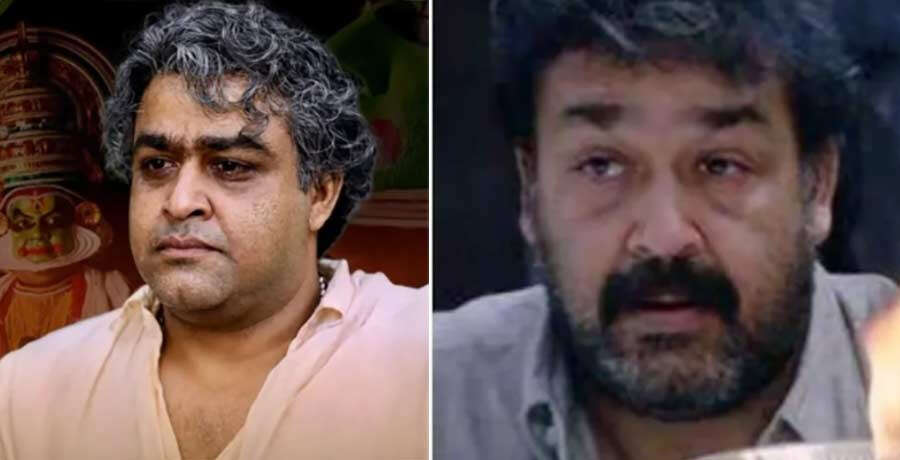
He performs with his eyes, his mobile face, and his body language. As the defeated Kathakali dancer in Shaji Karun’s Vanaprastham (1999) or the Alzheimer’s afflicted gentleman in Thanmathra (2005), Mohanlal’s suffering is your suffering. Good actors connect with you; they become you.
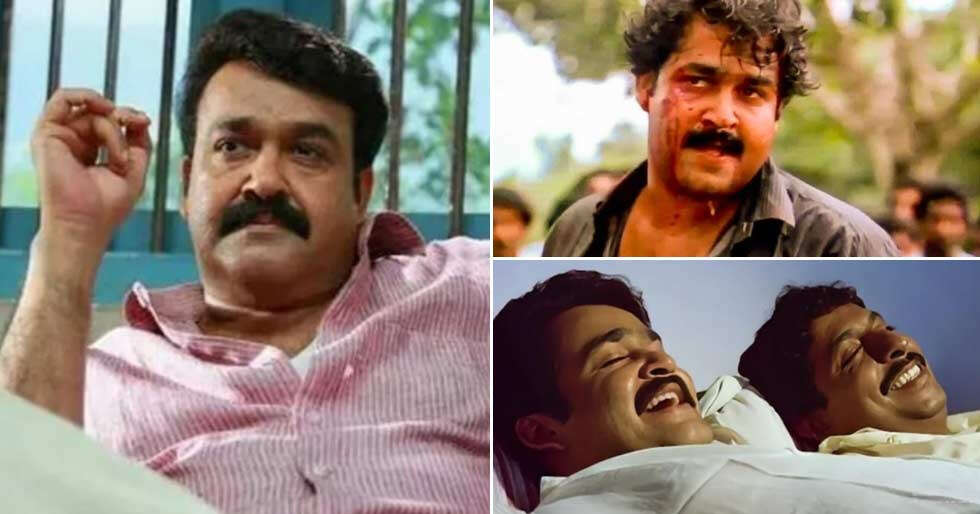
And that is why they can also make you laugh. Look at his work in Priyadarshan’s classics like Kilukkam, Chithram, Vandanam and Poochakkoru Mookkhuti. He zoomed in on simple, everyday foibles and encouraged us to laugh at ourselves. It was a comforting presence that seemed to say, “Hey, life is tough, deal with it and smile.” And while you are at it, settle down with the girl-next-door, like Shobana in Nadodikkattu or Karthik in Sanmanassullavarkku Samadhanam.
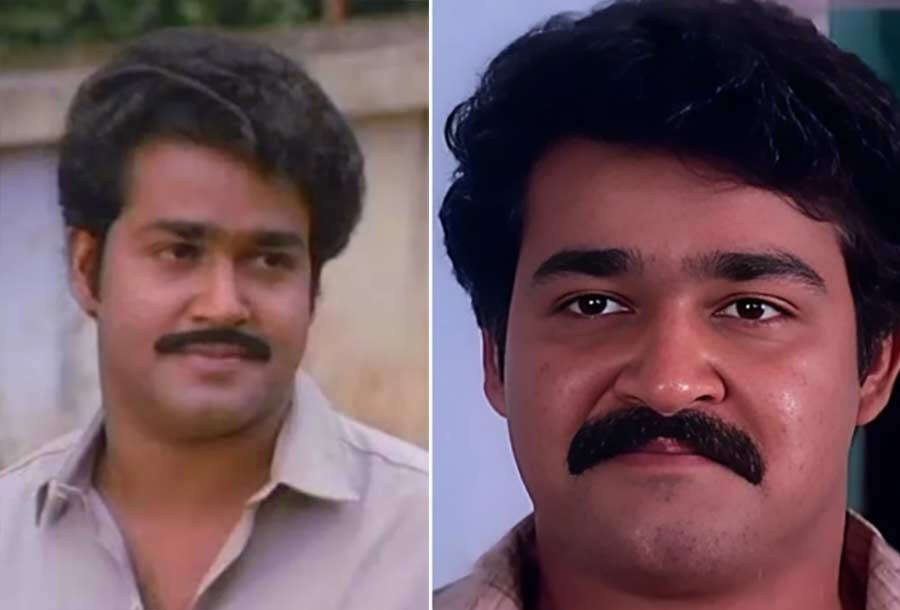
It’s a perfectly calculated crime, and he leaves no traces. It’s all done effortlessly. Minus the crime, the film Drishyam (2013) could be a metaphor for Mohanlal. Clear vision, no false steps.
The jury is still out on the motivations of Mohanlal’s character in Drishyam, yet after the film, the actor makes you reassess your own motivations. That’s the ultimate sign of a good actor. He makes you question your own belief systems and, at other times, gently nudges you not to take sides. Beyond good and bad, grey is okay too.
While Bollywood audiences got a taste of Mohanlal’s seamlessness with Ram Gopal Varma’s Company (2002), he truly cut across pan-Asian boundaries with Mani Ratnam’s Iruvar (1997). Playing a character loosely modelled on MGR, this is vintage Mohanlal. As husband, lover, actor, and politician, Iruvar remains one of his most accomplished works, which perhaps prompted Ratnam to call him India’s Gerard Depardieu.
But no mistake, seriousness wasn’t only his thing. He could make you fall in love, as evidenced in the magical Mohanlal- Padmarajan combination in films like Tuvanatumbikal and Namakka Parkaan Munthiri Toppukal. He finds his identity in love. Love makes the self-willed man rooted. Love makes him come home. No one does romance like Mohanlal. It’s his heartline, just as acting is.
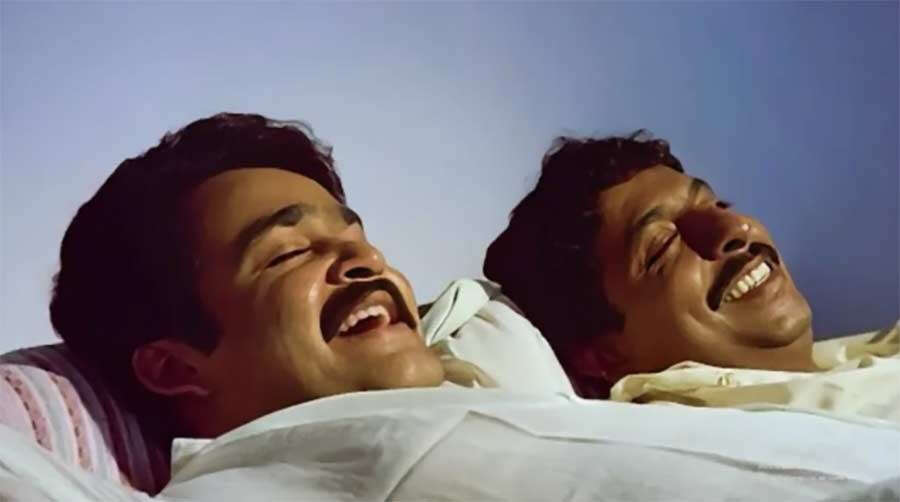
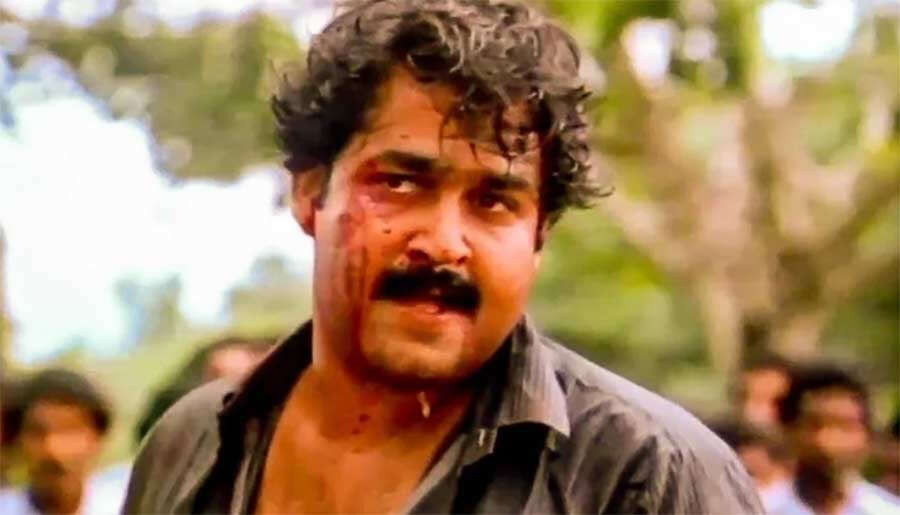
One of Mohanlal’s greatest strengths is that he beguiles you into believing he is just like you. You feel you will meet many like him on your journey. There is nothing better to hook an audience than intimacy or immediacy. The unemployed young man in Sibi Malayil’s Kireedam or Anthikad’s films caught your attention because he articulated the frustrations of the era’s youth. It was a real problem, and here was a real man with whom we identified. When an audience identifies with the hero, half the job is done.
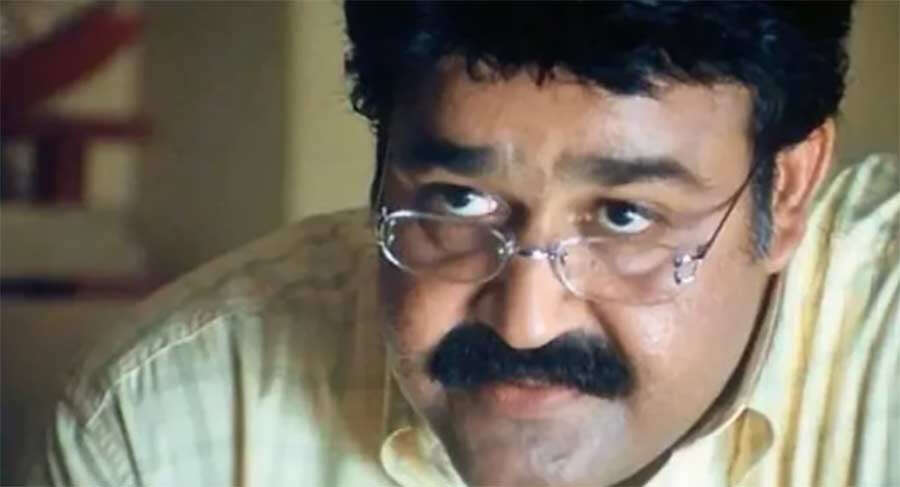
His film showed us that failure could be noble, too. If you wanted to go on a guilt trip, there was Sibi Malayil’s Bharatam, where his family holds him responsible for his brother’s death. Mohanlal’s delicacy of performance is especially evident in the final breakdown scene with his sister-in-law, Lakshmi.

For some more brooding and psychological bashing, there was Sadayam, where he has to kill the poor, helpless kids with his bare hands, or he has to take his own life to give the living a better life in Bharat Gopy’s Ulsavapittenu. If there was light in him, his soul could take you to the dark side as well.
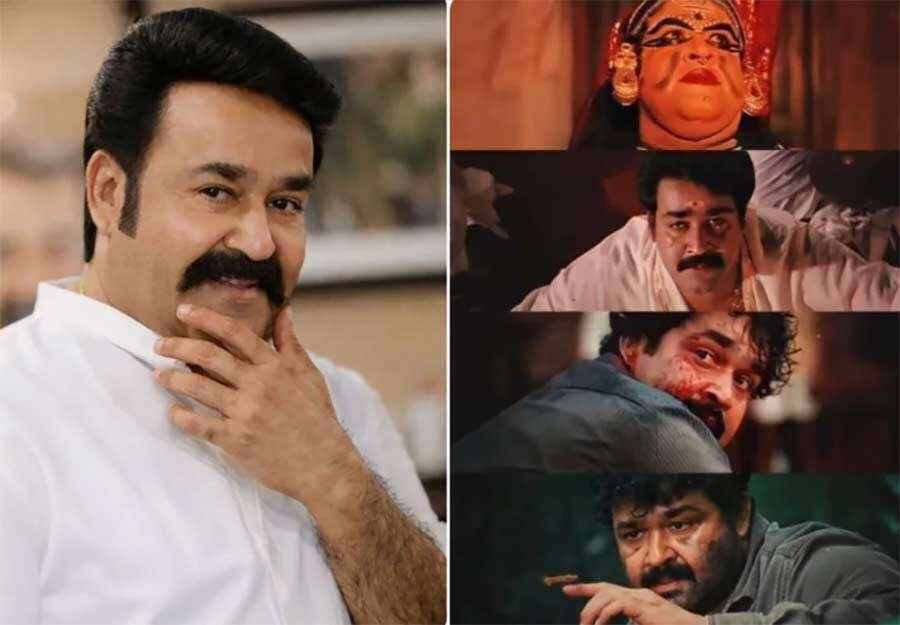
Happy Birthday, Mohanlal sir, may you always breathe oxygen into our comatose lives.
Also Read: Mohanlal’s Chotta Mumbai Returns To Theatres: A Cult Classic Revs Up Again!
