

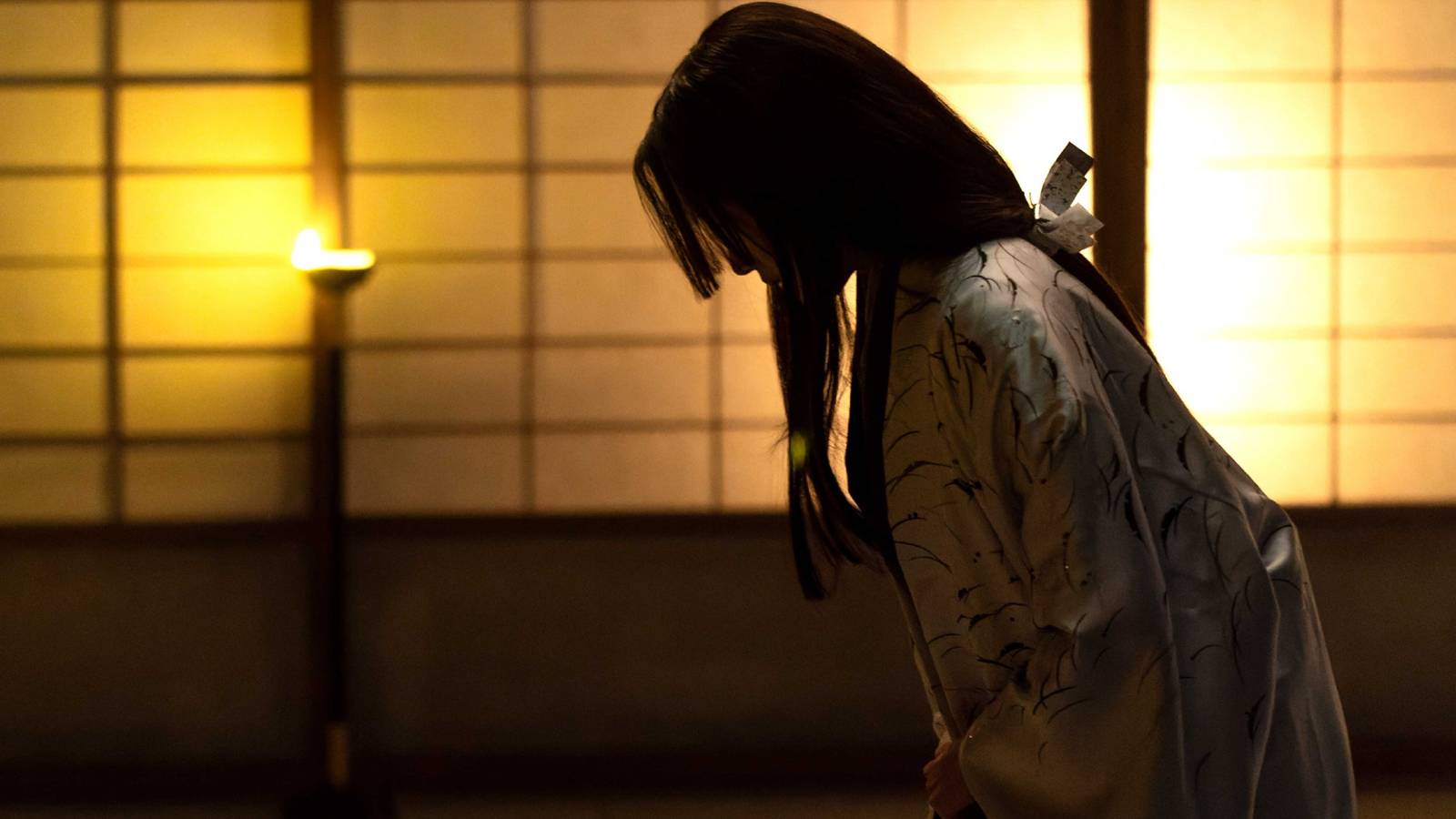
There is a historical epic masterpiece on Hulu that is like if Game of Thrones were set in the world of 2003’s The Last Samurai. There aren’t very many historical or fantasy epics on television, a result of the huge cost that comes with depicting massive armies, breathtaking worlds, and vast ensemble casts.
Those kinds of stories tend to be reserved for the big screen, like with the Tom Cruise-led The Last Samurai, a now underrated period action film about an American cavalry captain who gets embroiled in a samurai rebellion in 19th-century Japan, a film far more nuanced and complex than the plot may sound.
Still, there are some epics on television, notable for their quality and for their scarcity. Game of Thrones, The Rings of Power, and Rome all fall within this category. Another of these shows can be found on Hulu: Shōgun. The 2024, 10-episode series is one of the best titles in the historical or fantasy epic genres, and with a second and third season on the way, it’s a good time to watch.
The series is based on the 1975 novel by James Clavell, which was previously adapted into a 1980 miniseries. Shōgun stars Cosmo Jarvis as John Blackthorne, a Protestant English maritime pilot who lands in Japan with his crew in the year 1600. His arrival comes at a time of great upheaval in the island country.
The former Taikō has just died, leaving control of the country in the hands of five regents, all of whom have designs on total control of Japan. Lord Yoshii Toranaga (Hiroyuki Sanada) is the most brilliant and perhaps “good” of the regents, and with Blackthorne’s help, plans to consolidate power.
How Shōgun Is Different From Other Historical And Fantasy Epics
Like Game of Thrones, Shōgun is as interested in the political dealings of powerful rulers and palace intrigue as it is with sword fights and clashing armies. In fact, Shōgun is even more concerned with politicking, and viewers may be surprised to find how few major fights, much less battles, there are in the series.
When the violence happens in Shōgun, it happens fast, and it happens brutally. Gunpowder is being introduced to Japan around this time period, and it’s one of the reasons Blackthorne is allowed to live at all. The fights that involve gunpowder are spectacularly bloody and efficient, not honorable, particularly for a caste of people who find honor in death and battle.
|
Shōgun Episodes |
|
|---|---|
|
No. |
Title |
|
1 |
Anjin |
|
2 |
Servants of Two Masters |
|
3 |
Tomorrow Is Tomorrow |
|
4 |
The Eightfold Fence |
|
5 |
Broken to the Fist |
|
6 |
Ladies of the Willow World |
|
7 |
A Stick of Time |
|
8 |
The Abyss of Life |
|
9 |
Crimson Sky |
|
10 |
A Dream of a Dream |
That’s where Shōgun is different than other epic series. If it doesn’t adhere strictly to exact historical people, it adheres strictly to the era of the world. In Shōgun, the world is changing, and not everyone is on board with these changes, nor are they capable of adjusting to them.
Shōgun is almost spiritual in the way it tells its story. There is an emphasis on thought and personal growth. Characters do not achieve victory via a samurai fight, at least not most of the time; they achieve victory by waging internal battles. Everyone is waging an internal battle in Shōgun, and it’s masterful how the show depicts this.
Shōgun is not a typical epic. The show doesn’t sweep across Japan, showing different theaters of war and armies in pitched battles. Its scope in terms of characters and events is relatively small, but the ideas it espouses about destiny, which side to choose, and love, are all massive, making the series feel far grander than any map-hopping series could.
- Release Date
-
2024 – 2026-00-00
- Directors
-
Fred Toye, Jonathan van Tulleken, Charlotte Brändström, Takeshi Fukunaga, Hiromi Kamata
-

Hiroyuki Sanada
Yoshii Toranaga
-

Cosmo Jarvis
John Blackthorne