

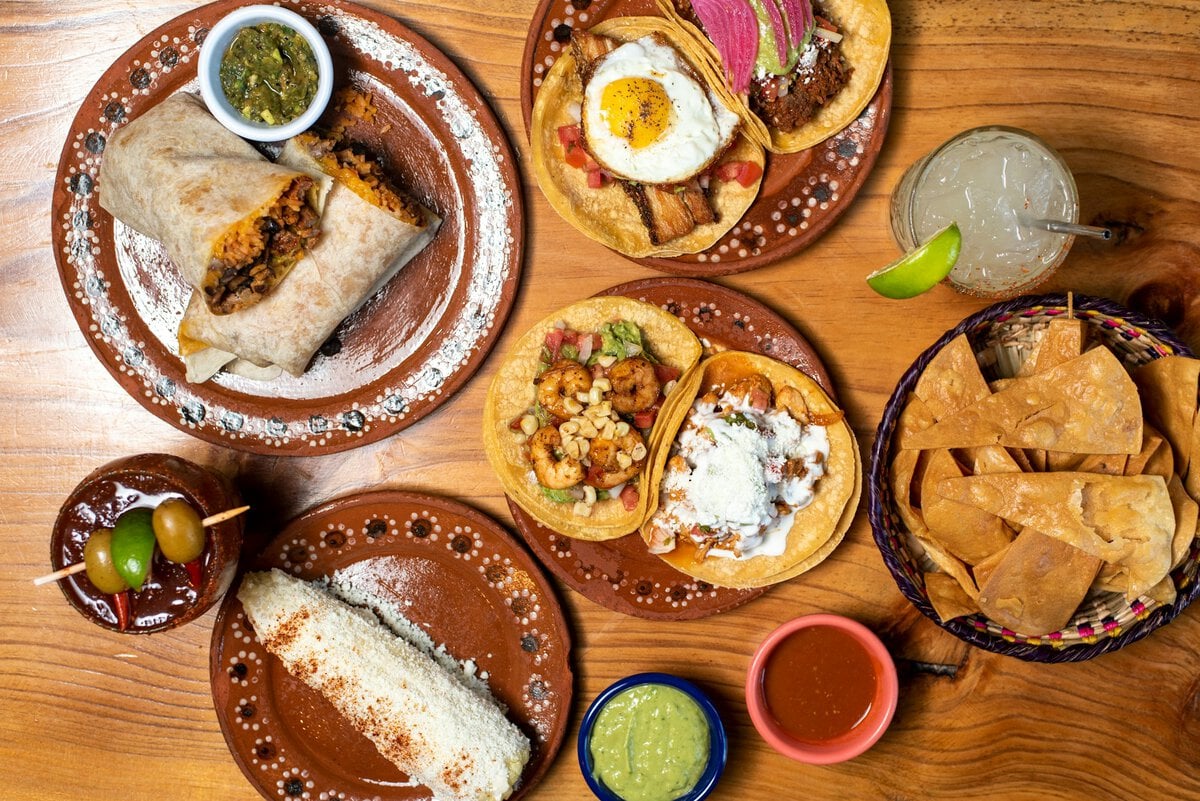
Few ingredients have shaped a country’s food culture as completely as corn has shaped Mexico’s. More than a crop, corn is the foundation of Mexican identity, running through mythology, agriculture, family traditions, street food, fine dining, and daily meals at every level.
To understand corn in Mexican cuisine is to understand Mexico itself.
Why Mexico Is the Home of Corn
Mexico is the birthplace of corn. Archaeological and genetic evidence places the domestication of maize from a wild grass called teosinte in Mesoamerica approximately 10,000 years ago. Today, Mexico remains the center of origin and diversification for maize, with more than 60 native races and hundreds of local varieties still cultivated across the country.
Unlike most of the world, where wheat, rice, or potatoes dominate the diet, corn has remained Mexico’s primary staple for millennia. It provides a significant portion of daily calories for millions of people and anchors countless traditional dishes from the coast to the highlands. In many communities, the corn grown, processed, and eaten has been in continuous cultivation by the same families for generations.
When you eat in Mexico — at a market stall, a family kitchen, or a restaurant with a Michelin star — corn in Mexican cuisine is almost always the foundation beneath whatever else is on the plate.
Related read: Eating Through Mexico City’s Miguel Hidalgo District
Nixtamalization: The Process That Made Everything Possible
One of the most consequential food innovations in human history came from Mesoamerica’s Indigenous peoples: nixtamalization.
The process involves cooking dried corn in an alkaline solution of water and calcium hydroxide (cal, or slaked lime), then soaking, rinsing, and grinding it into masa. This chemically transforms the corn: it increases calcium availability, unlocks niacin (preventing deficiency diseases), improves digestibility, and produces the distinctive flavor and pliability that raw corn cannot deliver.
Without nixtamalization, the defining foods of corn in Mexican cuisine would not exist. The resulting masa becomes the base for tortillas, tamales, sopes, tlacoyos, huaraches, gorditas, and dozens of other dishes. UNESCO formally recognized this culinary system, with nixtamalization cited as one of the foundational techniques of traditional Mexican cuisine, inscribed as an Intangible Cultural Heritage of Humanity.
When you taste a fresh tortilla made from nixtamalized corn, rather than one produced from commercial masa flour, the difference is immediate: earthier, more complex, with a softness that packaged products rarely achieve.
How Corn Shows Up on the Mexican Table
Tortillas
The tortilla is the backbone of Mexican food. Fresh corn tortillas accompany nearly every meal, functioning as bread, plate, utensil, and ingredient simultaneously. Regional differences are significant: the corn variety used in Oaxaca produces a different texture and flavor from what you’ll find in Jalisco or Veracruz.
Ninety-four percent of Mexicans eat tortillas every day, and in many households and dedicated tortillerías, they are still made from freshly ground masa rather than dried flour.
Tamales
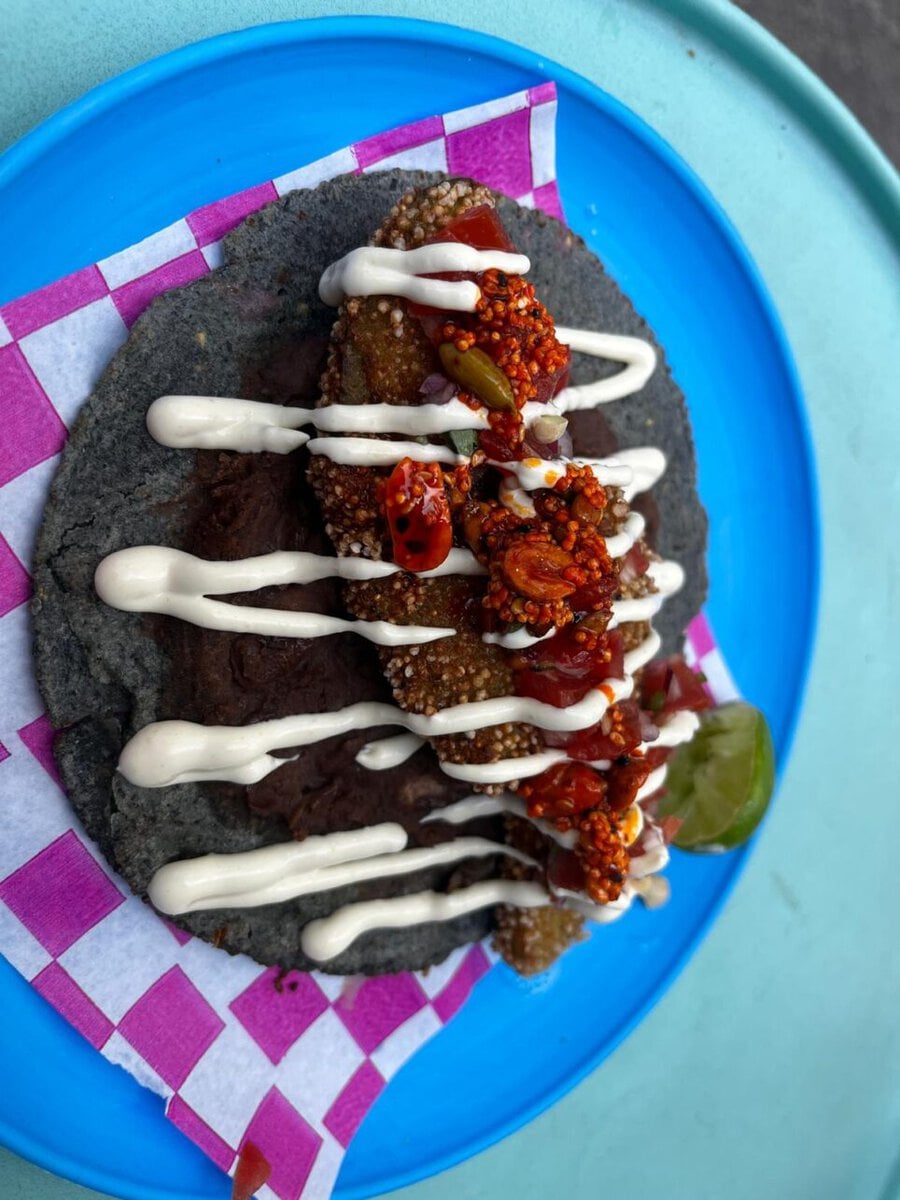
Tamales are among the oldest prepared foods in Mexico. Masa is mixed with fat or broth, filled, wrapped in corn husks or banana leaves, and steamed. Every region has a distinct approach: Oaxacan tamales in banana leaves differ substantially from the sweeter varieties served during holidays in central Mexico, or the masa-heavy versions common in the north.
Pozole
Pozole relies on cacahuacintle, a specific corn variety whose large kernels expand and bloom after nixtamalization. Combined with pork, chicken, seafood, or vegetables, it has become one of Mexico’s most deeply rooted celebratory dishes, served at weddings, holidays, and family gatherings.
Traditional Corn Beverages
Long before coffee arrived, corn was the drink of Mexico. Atole, champurrado, pozol, tejuino, tejate, and tesgüino all use corn as their base. Some are fermented, some sweet, some served cold as refreshment in hot climates. Most travelers never encounter them beyond atole — which is worth seeking out specifically.
Street Food
Many of Mexico’s best-known street foods begin with masa: gorditas, tlacoyos, memelas, sopes, huaraches, tostadas, quesadillas, and elotes. The fillings and toppings change by region, but corn in Mexican cuisine remains the constant thread connecting them all.
Fine Dining
Mexico’s leading chefs have driven a renewed appreciation for heirloom corn varieties and traditional nixtamalization. Restaurants across the country now treat regional maize varieties, fresh masa, and artisanal tortillas as premium ingredients, comparable in prestige to wine grapes or single-origin coffee.
Related read: Restaurants in Yucatan, Mexico: Five Culinary Experiences
The Incredible Diversity of Mexican Corn
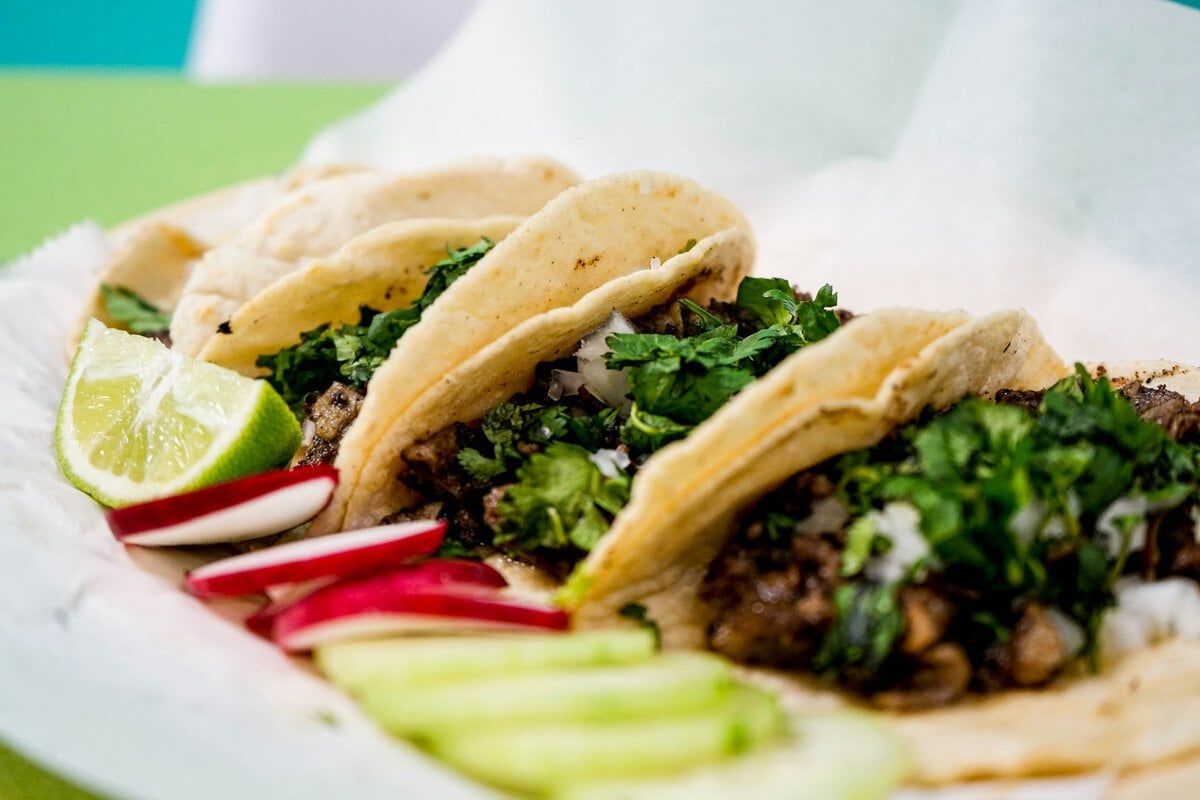
One of the more surprising discoveries for visitors is that Mexican corn is not simply yellow. Native varieties come in white, blue, red, black, purple, pink, and multicolored forms, and different races are suited to specific culinary applications. Some are preferred for tortillas, others for tamales, others for pozole. According to Mexico’s National Commission for the Knowledge and Use of Biodiversity (CONABIO), there are 64 types of corn in Mexico, 59 of which are native, each with unique characteristics, colors, shapes, and sizes.
This biodiversity explains why corn in Mexican cuisine tastes so different across the country. You’ll find vendors in markets from Oaxaca to Michoacán selling heirloom varieties cultivated by the same families for centuries, each suited to a specific local dish or preparation method.
Related read: Cooking in Mexico: Healthy Food to Make While Traveling
Corn and Mexican Cultural Identity
Corn holds a place in Mexican culture that extends far beyond agriculture. Corn is tied to the daily lives of Mexico’s indigenous peoples: it shapes daily meals, its growing cycle influences the timing of festivals, and its image appears as a recurring element in architecture and crafts. Ancient Mesoamerican creation stories describe humanity as having been formed from corn itself. That origin story is not folklore in the way it might be elsewhere — it reflects a genuine, unbroken relationship between people and crop that has lasted thousands of years.
This is why corn in Mexican cuisine is rarely just about food. The grain carries heritage, biodiversity, and cultural continuity in ways that few agricultural products anywhere else in the world can claim.
Frequently Asked Questions
What is nixtamalization and why does it matter for corn in Mexican cuisine?
Nixtamalization is the process of soaking and cooking dried corn in an alkaline lime-and-water solution before grinding it into masa. It significantly improves the nutritional value of corn, making calcium and niacin more available for absorption, and gives masa its distinctive texture and flavor. Without it, tortillas, tamales, and most other corn-based staples of Mexican cuisine would not exist in their current form.
Is all corn used in Mexican food the same variety?
No. Mexico has more than 60 recognized native corn races, each developed for specific climates, soils, and dishes. The white corn used for everyday tortillas in Oaxaca differs substantially from the cacahuacintle variety used in pozole, or the blue corn used for tlacoyos and specialty tortillas in central Mexico.
Can you taste the difference between fresh masa tortillas and packaged ones?
Yes, noticeably. Tortillas made from fresh nixtamalized corn have a richer, earthier flavor and a softer texture that dried commercial masa flour does not replicate. Most Mexican cities have dedicated tortillerías using fresh masa — they are worth seeking out as a practical way to understand what corn in Mexican cuisine actually tastes like at its best.
Where in Mexico are corn-based food traditions most distinct?
Oaxaca, Puebla, and the central Mexican states have the most regionally specific corn traditions, including unique heirloom varieties, distinct tamale styles, and masa-based street foods that differ significantly from what you’ll encounter in northern Mexico, where wheat flour is more common.
Are there corn-based drinks worth trying in Mexico?
Yes. Atole (warm, masa-thickened, often flavored with chocolate or fruit), tejuino (a fermented cold corn drink common in Jalisco and Colima), and tejate (a cold cacao-and-corn drink from Oaxaca) are all worth seeking out. Most visitors encounter only atole — the others require some searching but are among the more distinctive food experiences the country offers.
Is pozole always made with pork?
No. While pork is traditional, in many regions, particularly coastal areas and vegetarian-focused restaurants, pozole is made with chicken, seafood, or no meat at all. The defining elements are the cacahuacintle corn and the broth, not the protein.

