

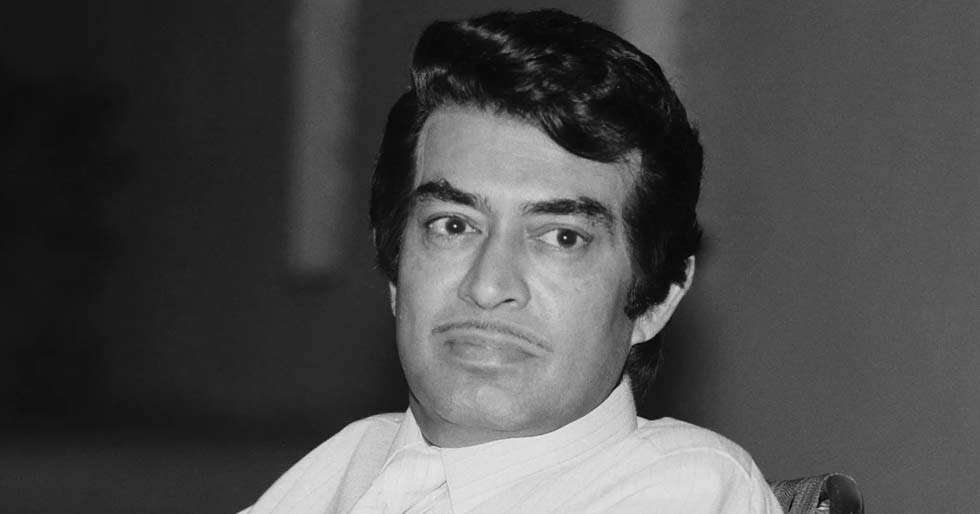
The first sign of a great actor is when he lends himself to caricature, which is why you see a lot of second-rate hams trying to imitate Sanjeev Kumar. And failing miserably. The thing about Sanjeev was that you could almost “feel” his performances. They were that tactile. There was a goodness about them. They lacked guile. While there was craft, you could also see him channelling some inner resource, and the force of it came full blast on screen.
Perhaps that’s why Thakur Baldev Singh from Sholay (1975) is unforgettable. Behind the pain, there is a menace on slow burn which hits you like a bullet in the climax. He made you cry as he did in Koshish (1972); he moved you in Arjun Pandit (1976) or Humare Tumhare (1979), or he could be outrageously funny in Pati Patni Aur Woh (1978) or hilarious in Angoor (1982).
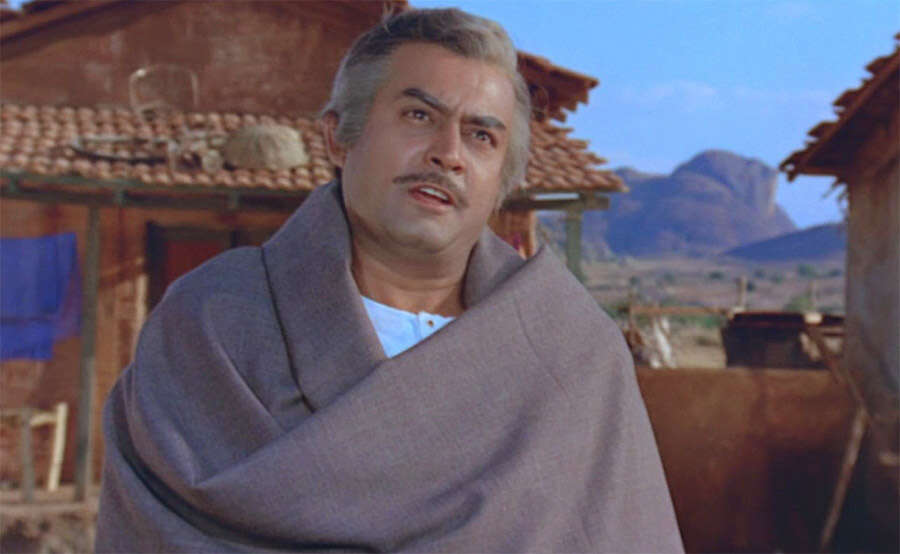
I’ve laboured through bad films like Ayaash (1982) and Daasi (1981) just to see this man emote. He probably had a hunch that he wouldn’t live beyond 50, so he ate and drank himself silly. He enjoyed the good life. Unrequited love was his thing, and I often think he died less due to a heart attack and more due to heartbreak.
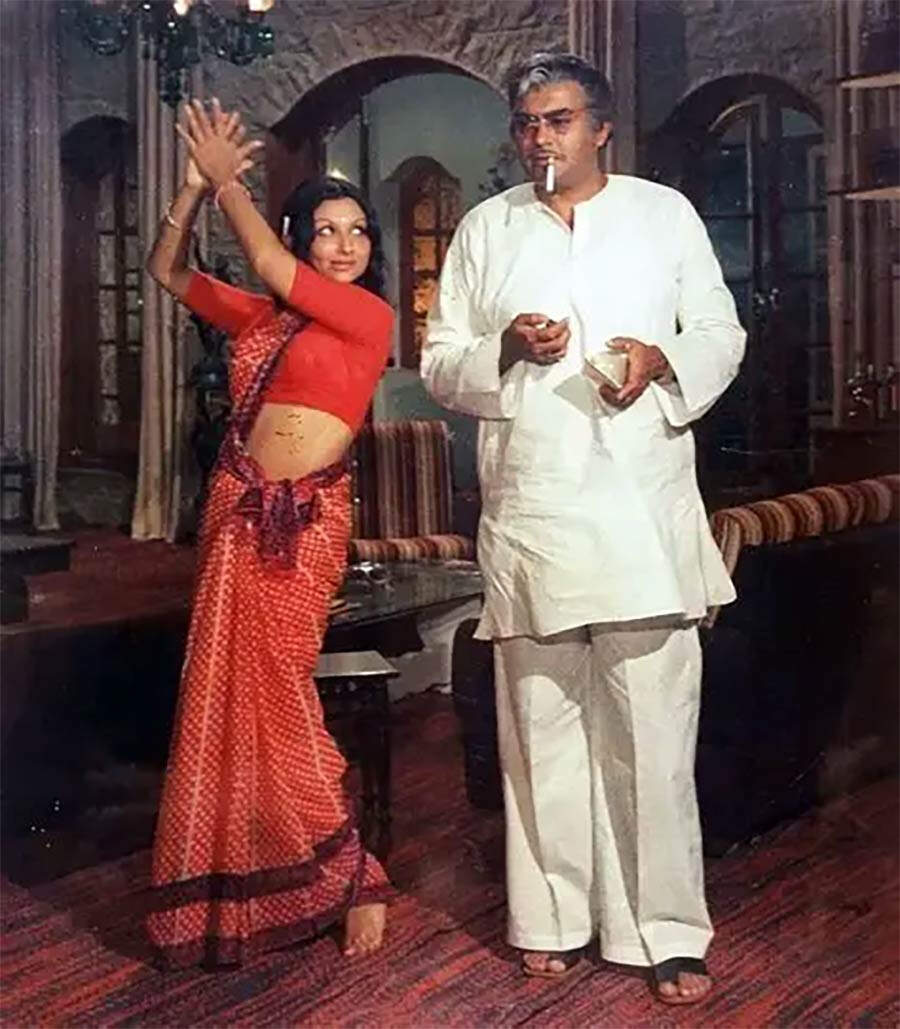
Happy Birth Anniversary, Haribhai.
Sanjeev Kumar: The Actor We All Loved by Reeta Ramamurthy Gupta and Uday Jariwala
A neatly curated biography, this book offers fascinating insights into Sanjeev Kumar’s life, struggles, relationships, insecurities and extraordinary career. Along with heartfelt memories from colleagues like Sharmila Tagore, Tanuja and Moushumi Chatterjee, it paints a portrait of a deeply humane yet emotionally wounded man. While one may wish for a more detailed analysis of his acting craft, it remains an engaging and affectionate tribute to one of Indian cinema’s greatest performers.
This book focuses more on the man behind the actor, exploring his family, early years, personal tragedies, reported romances and complex personality. Rich in anecdotes and archival details, it offers a compelling account of his life, though readers looking for deeper discussions on his performances may be left wanting more. Even so, it serves as another valuable addition to the limited literature available on the unforgettable Haribhai.
Also Read: Exclusive: Sai Paranjpye on Chashme Buddoor, Comedy, and Crafting Cinematic Joy
