

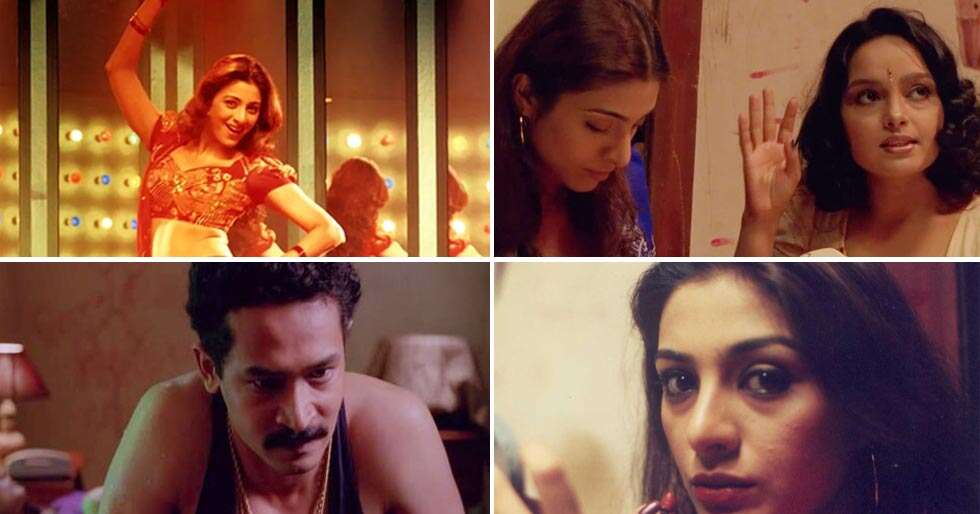
Privilege is a tricky thing to navigate. One moment it lets you bask in the luxuries of life, and the next, it can drown you in the guilt of having them. The price you pay for privilege becomes far heavier than the satisfaction it brings, especially when you notice how the unprivileged live because someone many centuries ago decided they can’t earn it or deserve it.
One such uncomfortable realisation comes in Madhur Bhandarkar’s Chandni Bar (2001). Released on September 28, 2001, the film follows the life of a 17-year-old Mumtaz (Tabu) who loses her parents in communal riots. At the mercy of a situation beyond her control, she moves to Bombay with her unreliable uncle. A family relative, Iqbal, played by Rajpal Yadav, finds a job for Mumtaz as a beer bar dancer, which she reluctantly accepts.
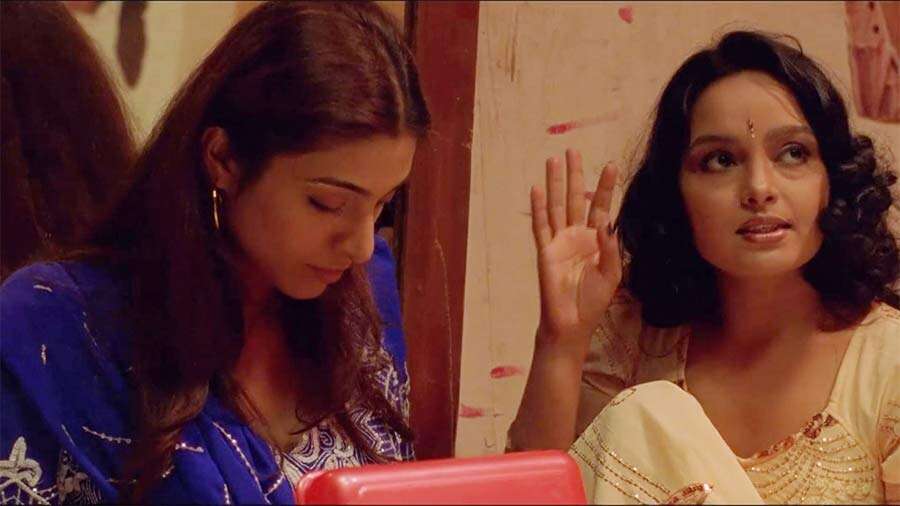
The visual language of the film, with dimly lit bars of the red-light area, creates an atmosphere that feels trapped underground. The slum locations and cramped houses capture the claustrophobic reality.
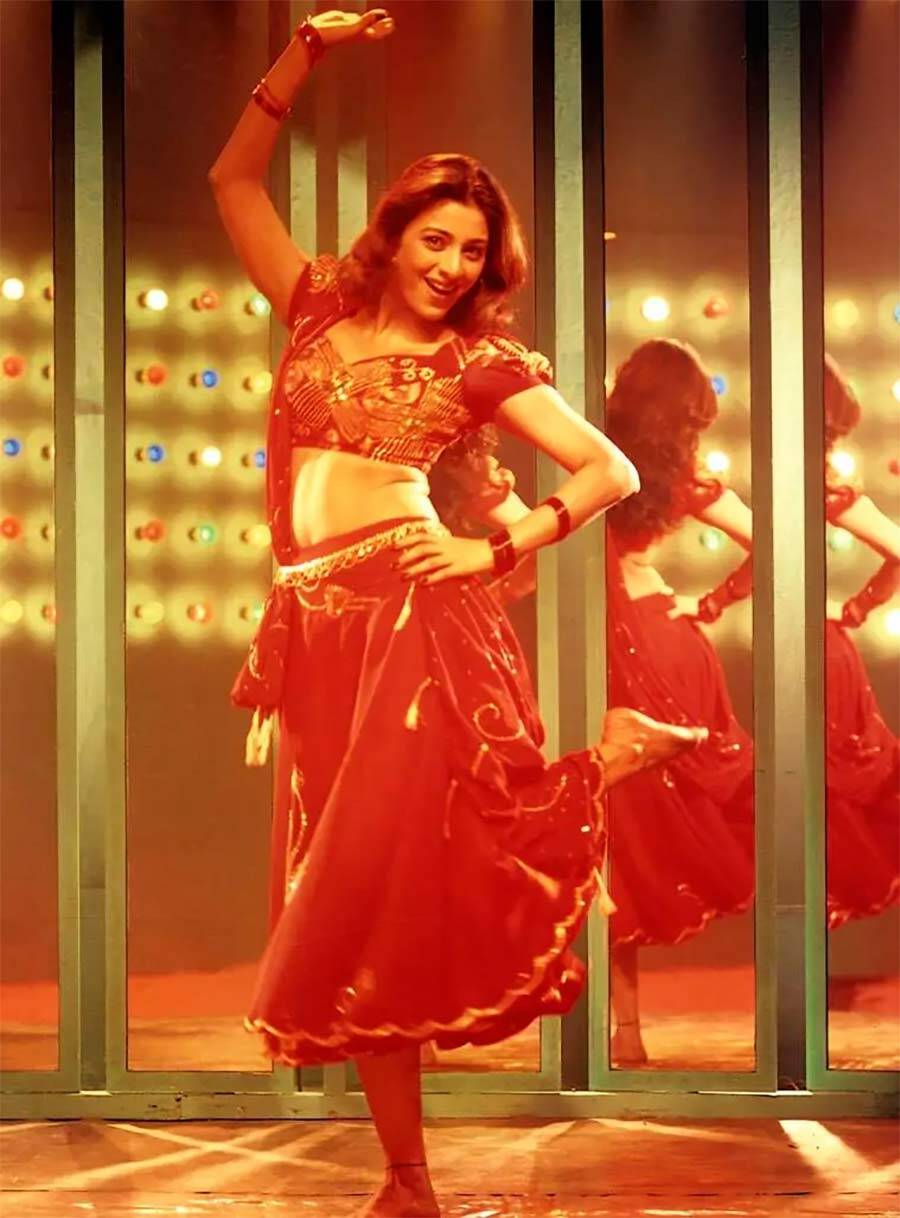
Yet Mumtaz keeps dancing to “item” songs from the ’70s and ‘80s that echo whistles across the room. The same songs that get us dancing immediately on the floor now make us uncomfortable. The music is familiar, but the context strips away its joy. Chandni Bar, which once felt like a prison, becomes a place where Mumtaz feels confident. She becomes the temptation for these lonely exploiters who can’t stop salivating over her, and it feels like Mumtaz finally calls the shots.
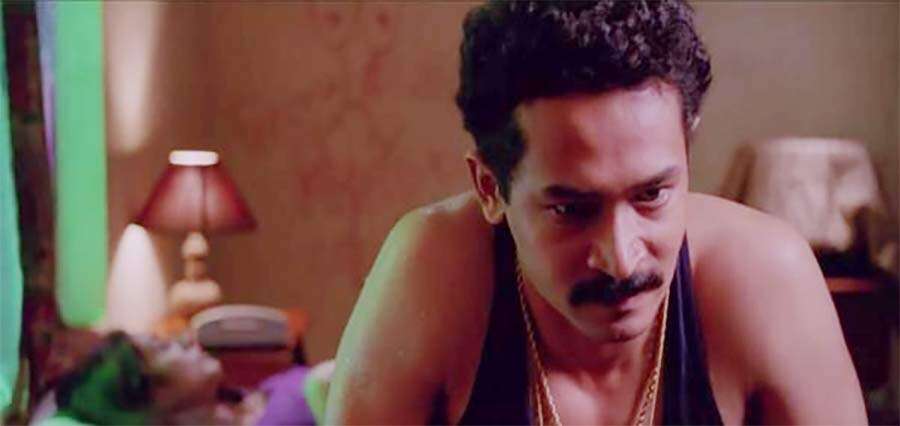
In visceral rage, Potya kills the uncle who molested Mumtaz and marries her. He becomes the provider for Mumtaz and their two children, Payal and Abhay. But his casual jokes about sleeping with other women reveal the cracks in their relationship. His frequent arrests make him an easy target for the police. He is brutally tortured by the cops and executed in a forest, leaving behind a lingering sense of melancholy. His end becomes a cruel reminder of how the system can easily point fingers at those at the bottom regardless of their fault.
The same misfortune soon catches up with their son, Abhay. He is picked up by the police for being in a group of boys committing petty crimes. His arrest seems to be as much because of whose son he is as because of the company he keeps. Abhay is imprisoned and raped behind bars and left deeply traumatised.
The only way out for Abhay is through a local goon who demands 70-something thousand bucks, which Mumtaz must arrange within a couple of days. But who will help a sex worker when she is the one in need? Unsurprisingly, no one.
Iqbal suggests calling “customers” to arrange for money. Helpless Mumtaz abides. After an entire day of selling her body – the only thing she can do, she returns home to face her worst nightmare. Ever since their birth, Mumtaz wanted to raise her children to have respectable careers and escape the life she had been forced into. Instead, she sees her daughter staring back at her, dressed similarly to the dancers at Chandni Bar. Payal places the money in her mother’s hands, which she made following her path. She too has become a beer bar dancer. Life repeats its vicious cycle.
Abhay gets out of jail and shoots both the boys who raped him in the middle of a bustling market. At this moment, Mumtaz is forced to face life’s bitter truth. The future she once imagined for her children becomes inseparable from the inherited past. “Apne baccho me main apna aane wala kal dekhna chahti thi, par mujhe unme sirf apna ateet nazar aaya”, she cries. The line sums up the reality of Mumtaz and many sex workers.
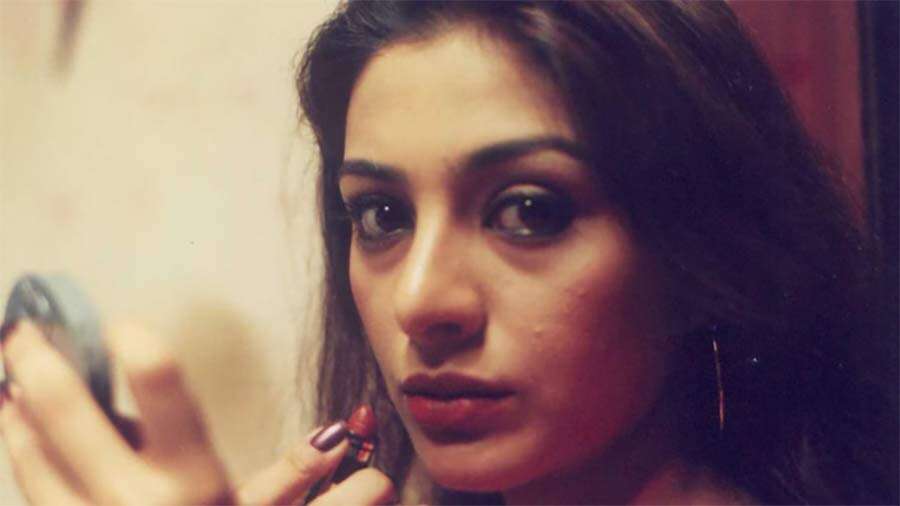
For people like Mumtaz of lower-class backgrounds, privilege is not just denied; it is something they never have the opportunity to imagine. Which is perhaps why, even 25 years later, Chandni Bar remains eerily and achingly relevant for its subject.
Also Read: Exclusive: Will Katrina Kaif Star in Chandni Bar 2 Alongside Tabu?
