

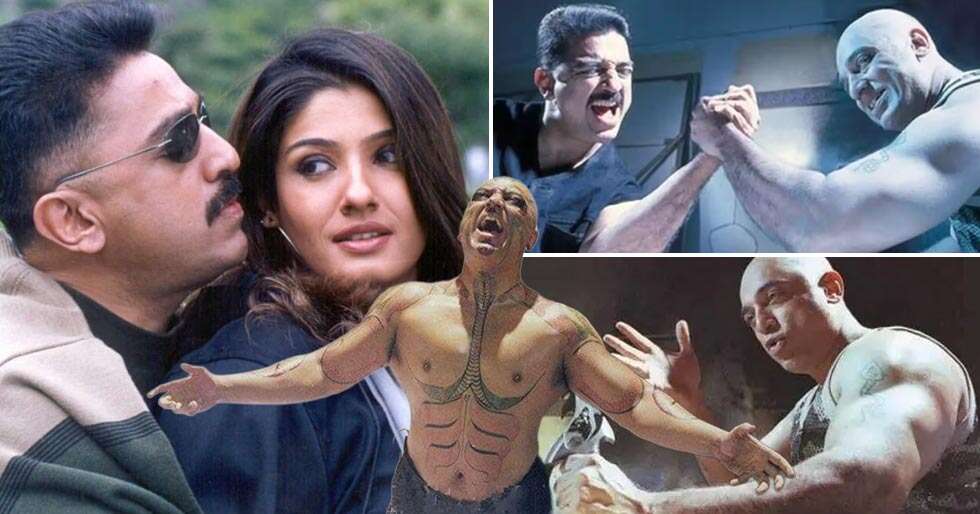
What makes Abhay particularly disturbing is that its darkness isn’t simply about violence; it is rooted in the psychological damage of childhood abuse. Abhay’s adult psychosis is presented as an extension of a childhood in which fear, humiliation and brutality have become normalised. The film suggests that the abused child doesn’t simply grow out of the experience; he carries it into adulthood, where memory, fantasy and reality become hopelessly entangled.
The most unsettling element is the film’s dark sexual imagery. Its treatment of the stepmother and Abhay‘s distorted perception of women repeatedly mixes intimacy, sexuality, fear and violence. Even seemingly innocuous gestures acquire a sinister undertone because they are filtered through a traumatised mind. This isn’t particularly subtle, and at times it is undeniably excessive, but that excess is precisely what makes Abhay so unnerving. It was attempting to visualise the way childhood trauma can corrupt desire, affection and the very idea of intimacy long before psychological darkness became such a familiar part of mainstream Indian storytelling.
Vijay (Kamal Haasan) is an NSG commando whose life is turned upside down when his violent, mentally disturbed twin brother Abhay (Kamal Haasan) escapes from a psychiatric institution. Haunted by horrific childhood memories of abuse, Abhay retreats into a terrifying world where fantasy and reality blur. As Vijay tries to track him down, Abhay becomes increasingly obsessed with Tejaswini (Raveena Tandon), Vijay’s girlfriend, seeing her through the distorted prism of his fractured mind. What follows is a dark psychological thriller that moves between reality, hallucination and memory, exploring the devastating effects of childhood trauma while building towards a violent confrontation between two brothers who have taken radically different paths.

What strikes me most is the sheer physicality of Kamal Haasan’s performance. At a time when the idea of a double role in Indian cinema often meant little more than a change of clothes, hairstyle or mannerism, Haasan created two radically different personalities. Vijay is restrained, disciplined and composed; Abhay is volatile, muscular, damaged and frightening. The distinction isn’t merely cosmetic. You can see it in the way he walks, moves, speaks and occupies space. It is a performance built from body language as much as dialogue.
Raveena Tandon is equally important to the film’s emotional balance. As Tejaswini, she brings warmth and vulnerability to a story otherwise consumed by violence and psychological turmoil, making her more than simply the object of Abhay‘s obsession. Manisha Koirala’s cameo as Sharmilee, meanwhile, is brief but memorable, adding another layer to the film’s already unsettling emotional landscape.
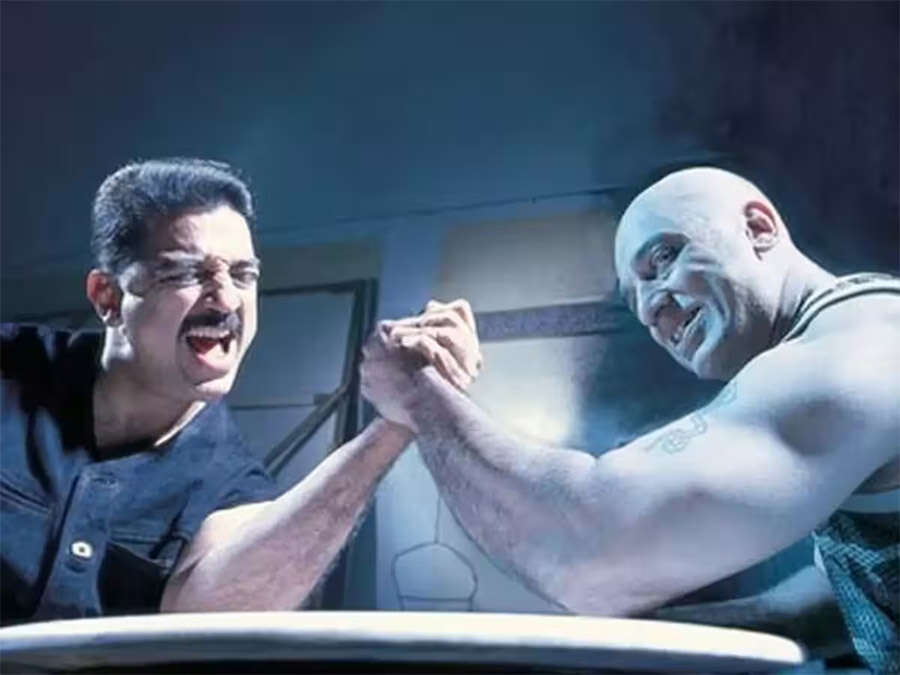
And this was 2001. There was no CGI-driven safety net to create the illusion of two Kamal Haasans effortlessly interacting. The production used a motion-control camera rig, imported from Australia, to shoot scenes in which both characters could appear together while the camera itself moved. It was reportedly the first Indian film to use such a rig. The technical achievement matters because it was serving the storytelling rather than merely showing off what technology could do.
Then there is that extraordinary animated sequence. Today, when animation, manga-inspired imagery and live-action routinely bleed into one another, it may not seem quite so radical. But watching Abhay then, the idea that a mainstream Indian thriller would suddenly abandon conventional visual grammar and turn a sequence of extreme violence into something resembling a nightmarish graphic novel was startling.
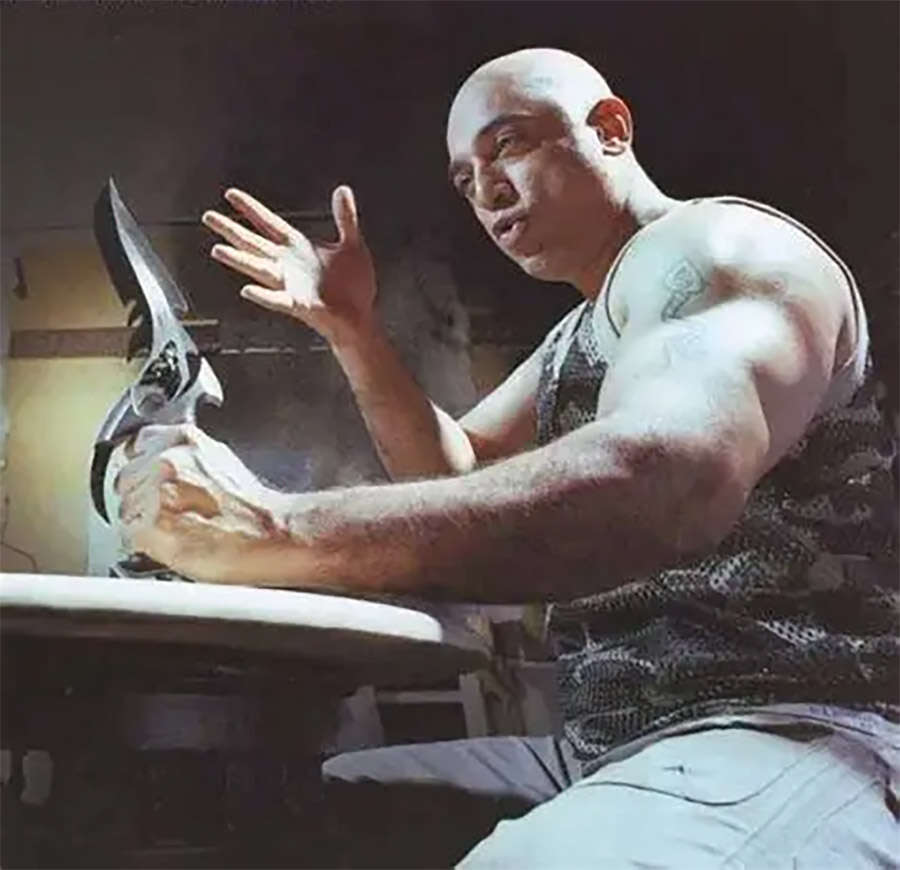
There is a wonderful irony to its history. The animated violence was considered odd and self-indulgent when the film came out. Kamal himself acknowledged as much. Years later, Quentin Tarantino reportedly told Anurag Kashyap that he had seen Abhay and that it had inspired the animated sequence in Kill Bill: Volume 1.
But even without the Tarantino connection, Abhay deserves to be revisited on its own terms.
Yes, it is self-indulgent. There is no point pretending otherwise. Kamal Haasan gives himself an enormous canvas on which to experiment, and sometimes the film seems almost intoxicated by its own ideas. The narrative can be unwieldy, the symbolism is hardly subtle and the film’s three-hour-plus original running time doesn’t exactly help its case. Yet that excess is also part of its fascination. It is the excess of an artist trying to push against the limitations of the mainstream rather than work comfortably within them.
And perhaps that is what makes the film feel so much bigger than its flaws. Abhay isn’t simply a thriller about a dangerous man being pursued by his brother. It is an experiment in how cinema can enter a damaged mind. Its fractured storytelling, disturbing imagery, animation and technological innovations all serve that larger purpose, even when they don’t always work seamlessly.
What is remarkable is how contemporary its impulses feel now.
We live in a time when mainstream content is increasingly comfortable with damaged protagonists, psychological instability, extreme violence, disturbing imagery and morally ambiguous characters. “Edgy” has become almost a genre requirement. Streaming has accustomed audiences to stories that are darker, stranger and less interested in reassuring us.
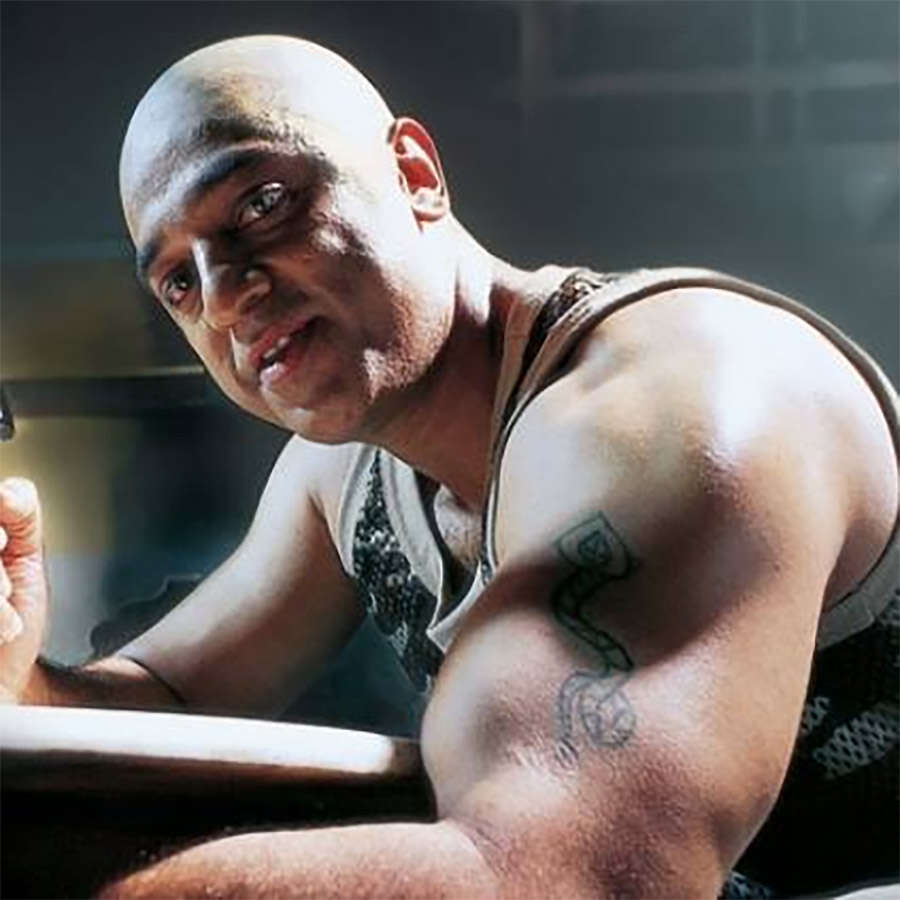
Abhay was attempting much of this before the culture had made room for it.
That is why watching it 25 years later can be so disarming. Some of the execution may look dated, but the vision doesn’t. In fact, its rough edges almost make its ambition more impressive. This wasn’t a film made with today’s technological conveniences or the benefit of an audience already accustomed to psychological extremity. It was reaching for a language that Indian mainstream cinema was only beginning to discover.
It is messy, excessive and occasionally maddening. But it is also fearless.
Perhaps that is the best way to describe Abhay: a film that may have been too much for its time, but never too little for ours. Twenty-five years later, its greatest achievement may simply be that it still makes you wonder what Kamal Haasan saw in cinema at the turn of the millennium that the rest of us weren’t quite ready to see.
Also Read: Rashmika Mandanna to Headline MS Subbulakshmi Biopic; Kamal Haasan to Attend Launch
