

Western shows were once among the biggest programs on television, with audiences regularly tuning in for stories about cowboys, outlaws, ranchers, and lawmen trying to survive in unforgiving territory. Although the genre no longer dominates television the way it once did, Westerns have never truly disappeared from the small screen.
Instead, the genre has continued to evolve alongside television itself. Traditional frontier stories eventually gave way to darker interpretations, family dramas, crime series, and modern neo-Westerns that kept the same themes while changing the setting. That adaptability is a large part of why Western storytelling has remained recognizable across so many different eras.
The shows that truly define the Western genre are not simply the ones with horses, gunfights, or wide-open landscapes. They are the series that helped shape what audiences expect from a Western while proving just how much those expectations can change. Looking at television’s most influential examples reveals just how broad the genre has become.
Gunsmoke
1955-1975, 20 Seasons
It would be almost impossible to discuss television Westerns without starting with Gunsmoke. Premiering in 1955, the series followed Marshal Matt Dillon (James Arness) as he attempted to maintain order in Dodge City, Kansas. The show’s combination of outlaws, frontier justice, personal morality, and community would become fundamental ingredients of the television Western.
Gunsmoke is widely considered Burt Reynolds’ breakout television role. He played the volatile Quint Asper in seasons 8 through 10, leaving the series to pursue a film career.
More importantly, Gunsmoke helped prove the genre could sustain serious character-driven storytelling rather than simply functioning as weekly action entertainment. Its incredible 20-season run turned Matt Dillon into one of Western television’s defining lawmen and established a blueprint countless series would follow.
Rawhide
1959-1965, 8 Seasons

While Gunsmoke centered on maintaining order in a frontier community, Rawhide embraced another defining Western image: the cattle drive. The series followed trail boss Gil Favor (Eric Fleming), young drover Rowdy Yates, and the rest of their crew as they moved thousands of cattle across dangerous stretches of the American West.
That traveling structure allowed Rawhide to explore different communities, conflicts, and moral dilemmas almost every week. It also helped cement the cowboy as a television hero, while giving Clint Eastwood one of his first major roles years before he became synonymous with Western cinema.
Bonanza
1959-1973, 14 Seasons

Bonanza proved that a Western did not need to revolve entirely around wandering gunslingers or lawmen. Instead, the series centered on Ben Cartwright (Lorne Greene) and his sons Adam (Pernell Roberts), Hoss (Dan Blocker), and Little Joe (Michael Landon) as they operated the Ponderosa Ranch and became involved in conflicts throughout the surrounding Nevada territory.
The Cartwright family gave Bonanza an emotional foundation that distinguished it from many Westerns of its era. Family disagreements, romance, community responsibility, and questions of morality mattered just as much as gunfights. That mixture helped establish the ranch and family drama as another major branch of Western television.
Deadwood
2004-2006, 3 Seasons

By the time Deadwood premiered in 2004, television audiences had already spent decades watching sanitized versions of frontier life. HBO’s series deliberately stripped much of that romanticism away, presenting the settlement of Deadwood as violent, filthy, politically unstable, and constantly shaped by people attempting to gain money and power.
Yet Deadwood remains unmistakably a Western. The difference is that it interrogates many of the genre’s familiar myths rather than embracing them without question. Its morally complicated characters and brutal depiction of civilization taking shape helped usher the Western into the era of prestige television.
Justified
2010-2015, 6 Seasons

Justified demonstrates that a Western does not actually need to take place in the Old West. Deputy U.S. Marshal Raylan Givens may operate in modern-day Kentucky, but everything about him evokes the classic gunslinger: the hat, the quick draw, the complicated moral code, and his willingness to confront dangerous men face-to-face.
In addition to Justified‘s six seasons, FX released a limited sequel series, Justified: City Primeval, in 2023.
The series translates traditional Western conflicts into a contemporary crime drama without losing what makes the genre recognizable. Raylan’s battles with Boyd Crowder and the criminal families of Harlan County frequently feel like clashes between rival frontier factions, making Justified one of television’s defining neo-Westerns.
Longmire
2012-2017, 6 Seasons

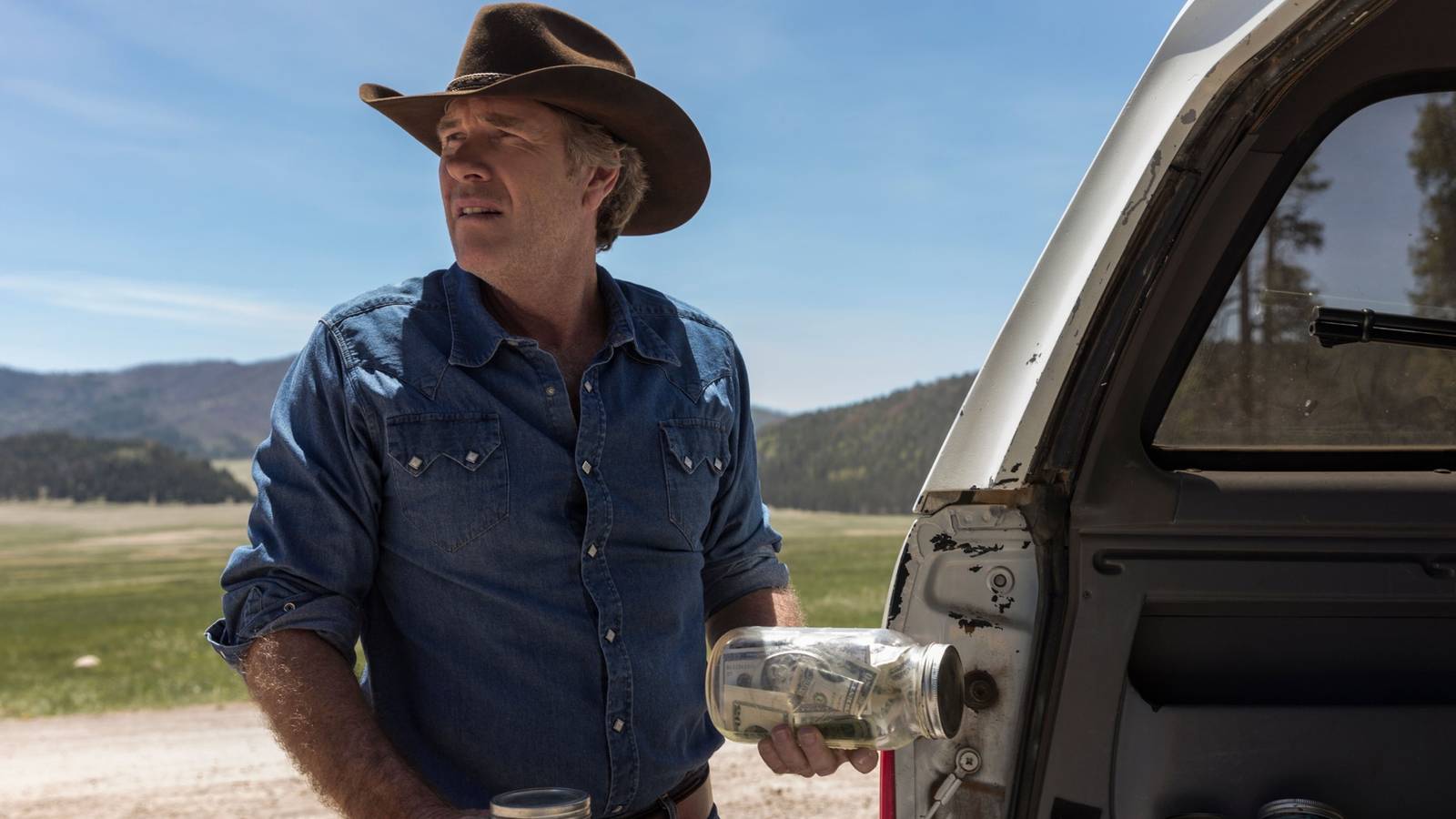
Few modern television characters resemble the traditional Western sheriff as closely as Walt Longmire (Robert Taylor). As sheriff of fictional Absaroka County, Wyoming, Walt patrols enormous stretches of rural territory while investigating crimes and navigating conflicts within a community where personal history often matters as much as written law.
Longmire uses modern police-procedural storytelling while maintaining the isolation, landscapes, and moral dilemmas associated with classic Westerns. Walt’s reserved personality and old-fashioned approach to justice make him feel like a frontier lawman who simply happens to live in the 21st century. The result is one of the clearest examples of how traditional Western storytelling can survive within a contemporary setting.
Yellowstone
2018-2024, 5 Seasons

Taylor Sheridan’s Yellowstone brought the television Western firmly back into mainstream popular culture by combining the ranch drama with modern political, financial, and family conflicts. The Dutton family’s attempts to protect their enormous Montana ranch revolve around land ownership, legacy, loyalty, and violence—the same themes that have shaped Westerns for generations.
However, Yellowstone presents those conflicts through modern problems rather than traditional frontier expansion. Developers, corporations, government officials, and neighboring communities replace many of the classic genre’s familiar threats.
That combination helped demonstrate why the Western remains so adaptable. The setting and circumstances may have changed dramatically since Gunsmoke, but Yellowstone proves the struggle over land, family, power, and survival can still make the genre feel distinctly Western.
