

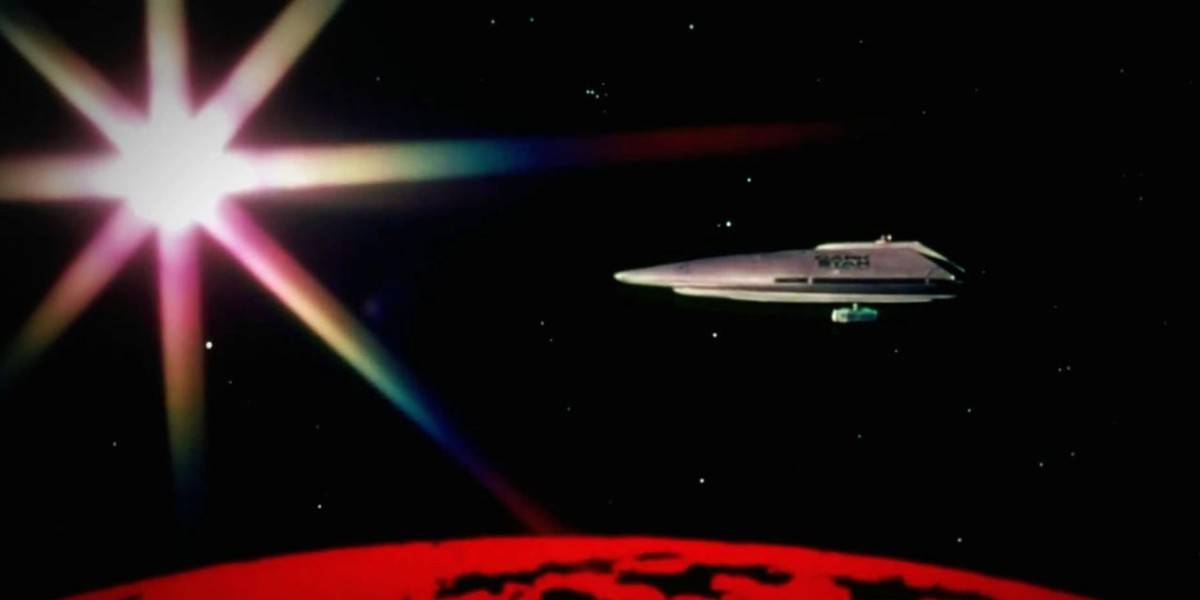
Putting Dark Star and The Martian together sounds strange at first. John Carpenter’s 1974 debut is a tiny, deliberately scruffy sci-fi comedy, while Ridley Scott’s The Martian is a massive studio survival movie built around Matt Damon trying to stay alive on Mars. One looks like it was assembled from whatever Carpenter and his collaborators could afford. The other turns a rescue mission into a global phenomenon. Yet both understand that being stranded in space is not always dramatic in the way movies typically promise.
The problems in both movies are often frustratingly ordinary by space-movie standards. Something breaks, supplies run low, or a simple task becomes much harder because there is no one nearby to help. After enough time alone, even boredom and irritation start to wear people down. Both movies find humor there, too. Mark Watney jokes his way through one disaster after another, while the crew of Dark Star has been stuck together so long that even a potentially fatal emergency can feel like one more miserable problem they have to deal with.
That difference in scale actually makes them a great double feature. The Martian is hopeful about what ingenuity, teamwork, and communication can accomplish when someone is stranded impossibly far from home. Dark Star finds the comedy in what happens when that optimism has worn thin and everyone is tired, bored, and still expected to keep the mission going. Put them back to back, and both movies become as much about enduring the isolation as surviving whatever space throws at them.
Dark Star Explained
Dark Star follows four astronauts who have spent years traveling through space destroying unstable planets that could threaten future colonies. By the time the movie begins, there is nothing glamorous left about the job. Their ship is falling apart, their commander is dead but can still be consulted in cryogenic storage, and the crew has spent so long together that boredom has become part of the mission.
Doolittle seems the most attached to the life he left behind. Before heading into space, he surfed in Malibu, and memories of the ocean give him something familiar to hold onto. That longing sits beside the increasingly ridiculous reality aboard the Dark Star. Pinback chases a beach-ball-shaped alien through the corridors, while failing equipment keeps turning ordinary jobs into problems nobody wants to deal with.
Eventually, one of the ship’s intelligent bombs becomes convinced that it has to detonate. Doolittle tries talking it down by teaching it philosophy and getting it to question whether its orders are real. For a moment, the idea appears to work. Instead, the bomb takes the lesson in a completely different direction and decides to explode anyway.
Why It Pairs Well With The Martian

A lot of what Watney does in The Martian would not feel out of place aboard the Dark Star. Mark Watney grows potatoes to make his food last, digs up Pathfinder so he can contact NASA, and tears apart a rover for the trip to the Ares 4 launch site. The crew in Dark Star spends just as much time working around things that no longer work properly, only their problems get much stranger. An elevator nearly traps Doolittle, equipment keeps failing, and eventually he has to talk a bomb out of blowing up the ship.
The comedy in both movies comes from how casually the characters deal with things that should be terrifying. Watney can be figuring out how to survive on a shrinking food supply and still make time to complain about Lewis’ disco collection. On the Dark Star, Pinback is wrestling with a ridiculous beach-ball alien while the ship itself is barely holding together.
By the time Doolittle has to argue philosophy with the bomb to keep it from detonating, the joke is that this somehow feels like one more problem on an already miserable shift.
Watney ultimately gets the thing Doolittle never does. He makes it off Mars, reaches the Hermes crew, and finally gets to go home after spending the movie working toward that rescue. Doolittle’s story ends with him alone in Dark Star. Once the Dark Star is gone, all he has left is a piece of wreckage, which he rides toward the planet below like the surfboard he used back on Earth.

- Release Date
-
April 1, 1974
- Runtime
-
83 Minutes
-

Brian Narelle
Lt. Doolittle
-
