

Diwali in India has its own blockbuster formula. Fairy lights serve as the opening credits. There are sweets, a big cast of relatives and a running gag about who’s cooking what. Then comes the interval: stuffed with mithai, the family collapses on the sofa and someone shouts, “Put on a film!” Cue the chaos, because everyone has a different idea of what to watch. This year, we’re settling the debate. Ten films, all heart, all drama and all masala, each a Bollywood festival in its own right. Roll out the diyas and hit play.
In This Article
Hum Aapke Hain Koun..! (1994)
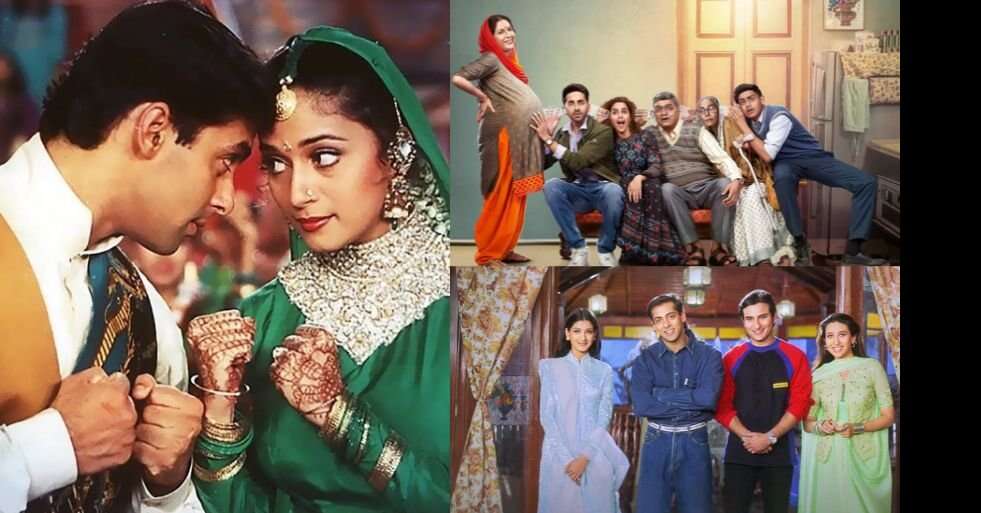
Sooraj Barjatya turned a wedding into an entire film, and the country asked for seconds. Madhuri Dixit sways, Salman Khan sulks very handsomely, and a dog called Tuffy walks away with the second half. There’s a song for every ritual and a few rituals you never knew existed. Three hours go by like a pleasant afternoon at a relative’s house.
Hum Saath-Saath Hain (1999)
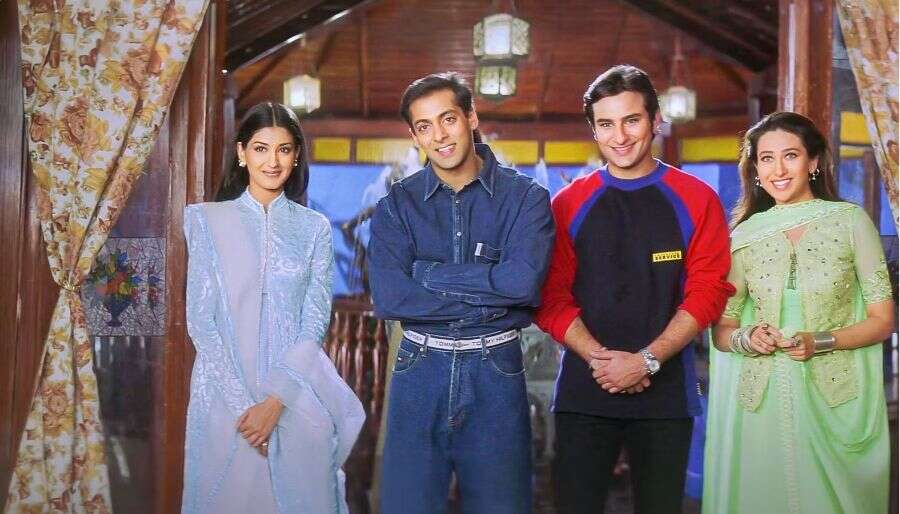
Barjatya returned with a bigger house and even more people in it. Three brothers, one joint family and a few whispered doubts threaten to unravel what love has taken years to build. It’s earnest and a little old-fashioned, which is precisely why it works so well with a plate of chakli on your lap.
Monsoon Wedding (2001)
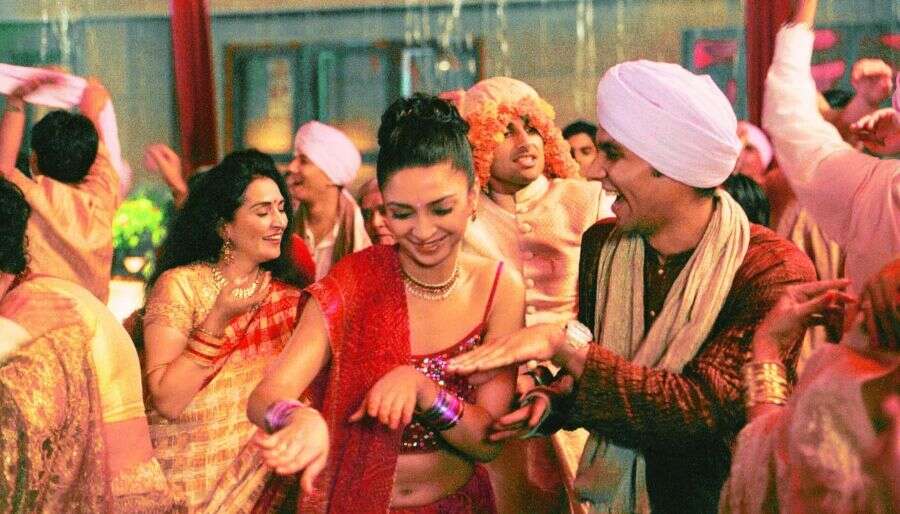
Mira Nair drops us into a Punjabi wedding in rain-soaked Delhi, complete with marigolds, mehendi and a wedding planner who falls in love amid the chaos. The laughter is loud and the secrets are quiet, but the film is brave enough to bring them into the open. Winner of the Golden Lion at the Venice Film Festival, it still feels remarkably fresh.
Kabhi Khushi Kabhie Gham (2001)
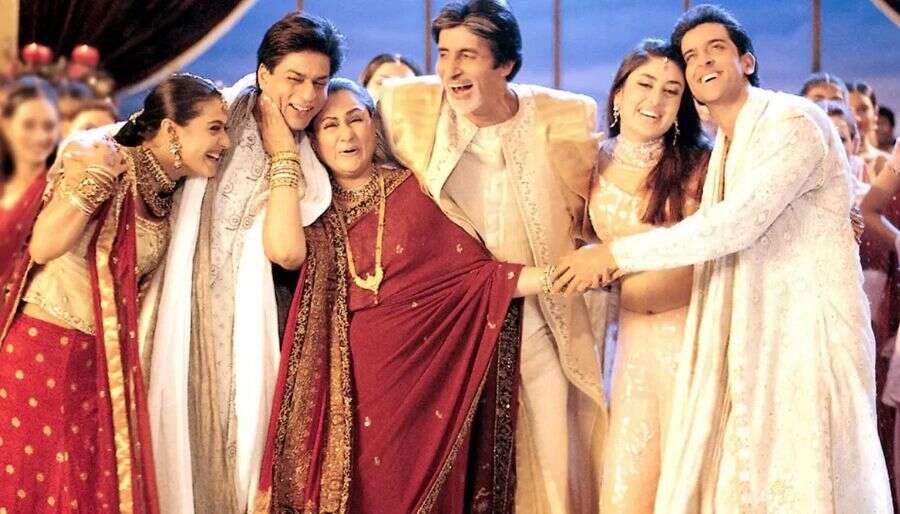
Karan Johar’s grand tribute to family comes with chandeliers, chiffon, estranged brothers and a patriarch who wears his pride like armour. Amitabh Bachchan thunders, Jaya Bachchan weeps beautifully, and Kareena Kapoor Khan’s Poo gave the country an entirely new personality type. You know the dialogues, and so does everyone else in the room.
English Vinglish (2012)

Sridevi returned to the big screen after 15 years, and the wait was worth it. She plays Shashi, a homemaker who makes the best laddoos in town but is constantly ridiculed for her English. Then she lands in New York and quietly reclaims her confidence, one class at a time. Gauri Shinde’s directorial debut is soft-spoken but hits hard, especially around the dinner table.
Dum Laga Ke Haisha (2015)
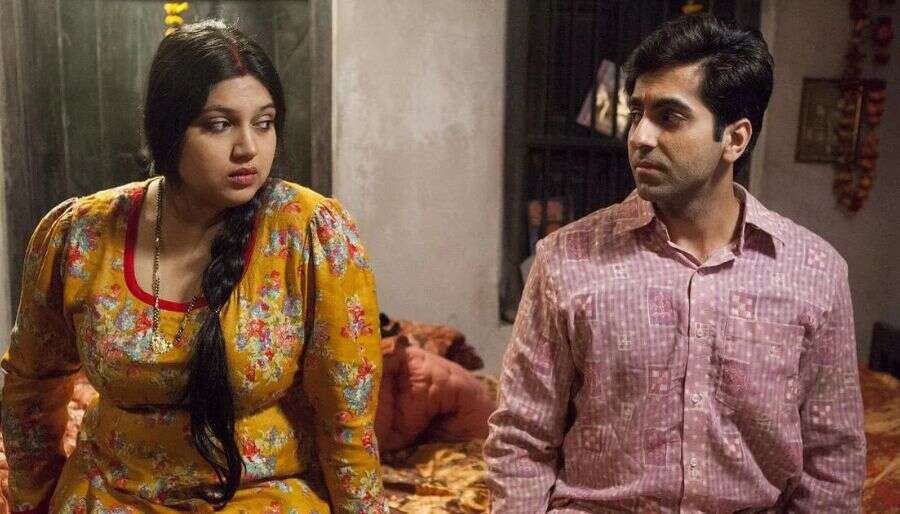
Set in Haridwar in 1995, the film follows a tape-shop owner, a reluctant groom and a bride who refuses to make herself smaller to please anyone. Ayushmann Khurrana is perfectly awkward, while debutant Bhumi Pednekar is a revelation. The joint family is cramped, loud and wonderfully real, and the soundtrack is pure nostalgia.
Dil Dhadakne Do (2015)

Zoya Akhtar takes the wealthy, rowdy Mehra family on a Mediterranean cruise and lets the cracks begin to show. Anil Kapoor, Shefali Shah, Ranveer Singh, Priyanka Chopra and Anushka Sharma trade barbs in the sunshine, while Pluto the dog, voiced by Aamir Khan, narrates the proceedings. It’s glossy on the surface and unexpectedly tender underneath.
Kapoor & Sons (2016)
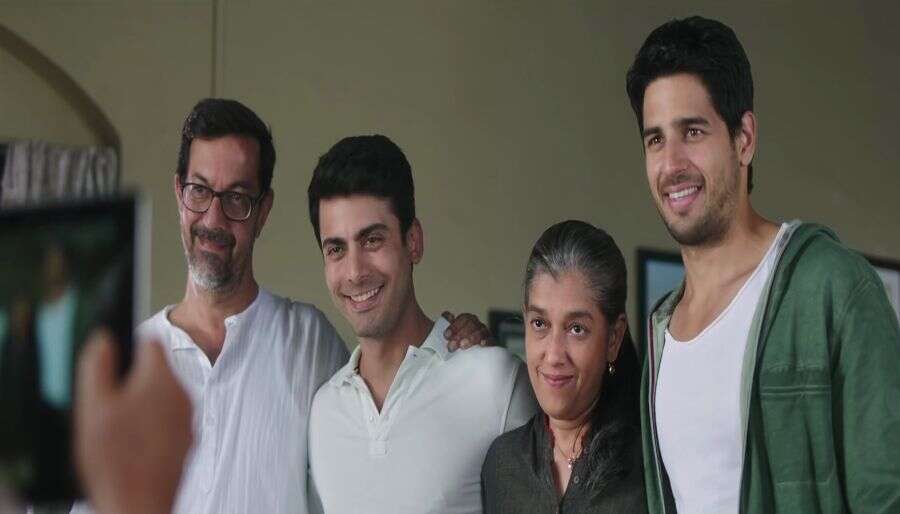
A grandfather in his nineties wants one family photograph before he dies. His two grown-up grandsons, played by Fawad Khan and Sidharth Malhotra, can barely sit in the same room. Rishi Kapoor, almost unrecognisable under prosthetics, steals every scene and won a Filmfare Award for his performance. Funny, bruising and refreshingly honest, the film captures the complicated business of being a family.
Shubh Mangal Saavdhan (2017)
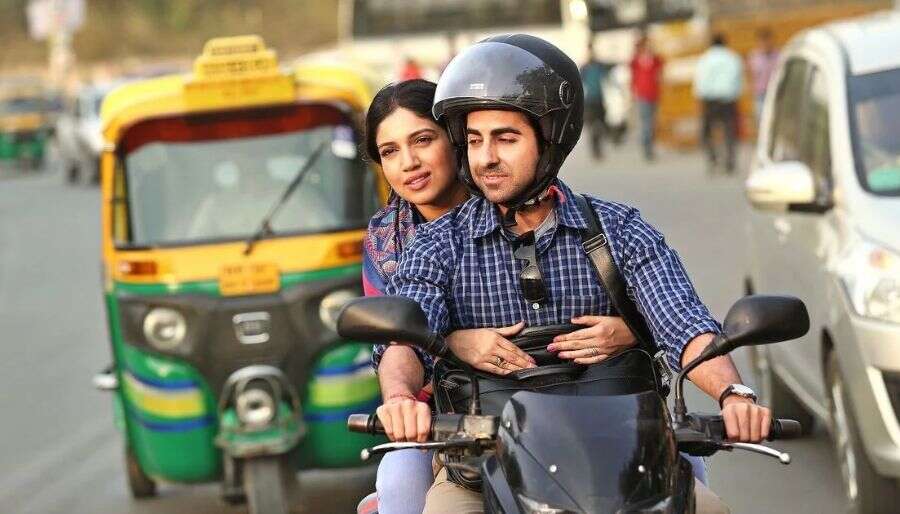
A groom has a problem nobody wants to name, and two families simply won’t stop talking about it. The film brings a conversation that most drawing rooms would rather avoid into the open, with a straight face and plenty of heart. Ayushmann Khurrana and Bhumi Pednekar are a delight once again.
Badhaai Ho (2018)
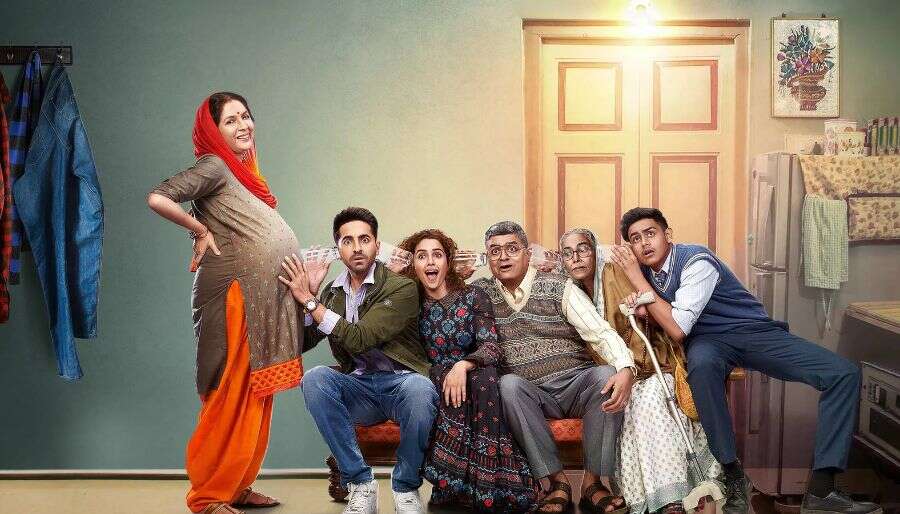
A middle-aged mother is expecting, and her grown-up son would rather the earth swallow him whole. Neena Gupta and Gajraj Rao are wonderful, while Surekha Sikri’s sharp-tongued dadi delivers some of the film’s best lines. The story is gentle without ever going soft. Neither family is perfect, and that is precisely the point.
