

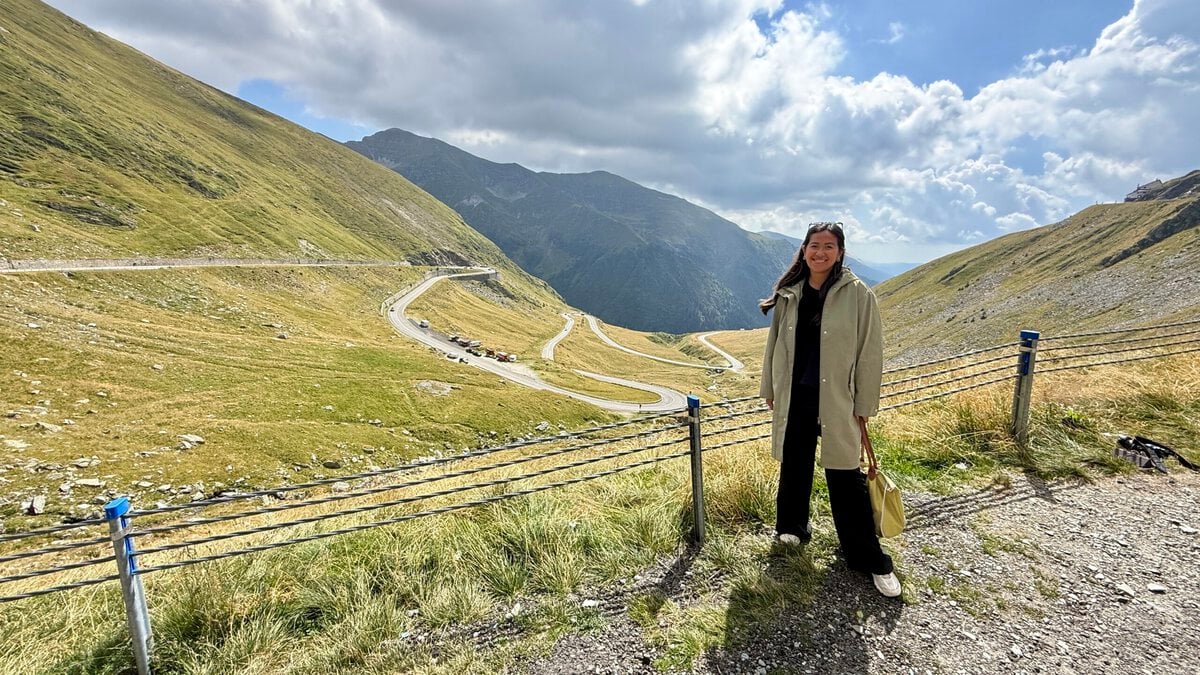
Most people picture Switzerland or Austria when they think of mountain roads in Europe. Romania deserves a place on that list. The Transfăgărășan Highway (DN7C) climbs through the Făgăraș Mountains to 2,042 meters at Bâlea Lake, and on my day trip from Bucharest in early September we spotted seven wild brown bears along the way.
You can drive it yourself or join a guided day trip from Bucharest. Either way, the high mountain section only opens in summer and early fall, the day is long, and the bears you meet by the road are wild animals you watch from inside the vehicle. Below is how my day went, when to go and what to plan for.
What Is the Transfăgărășan Highway?
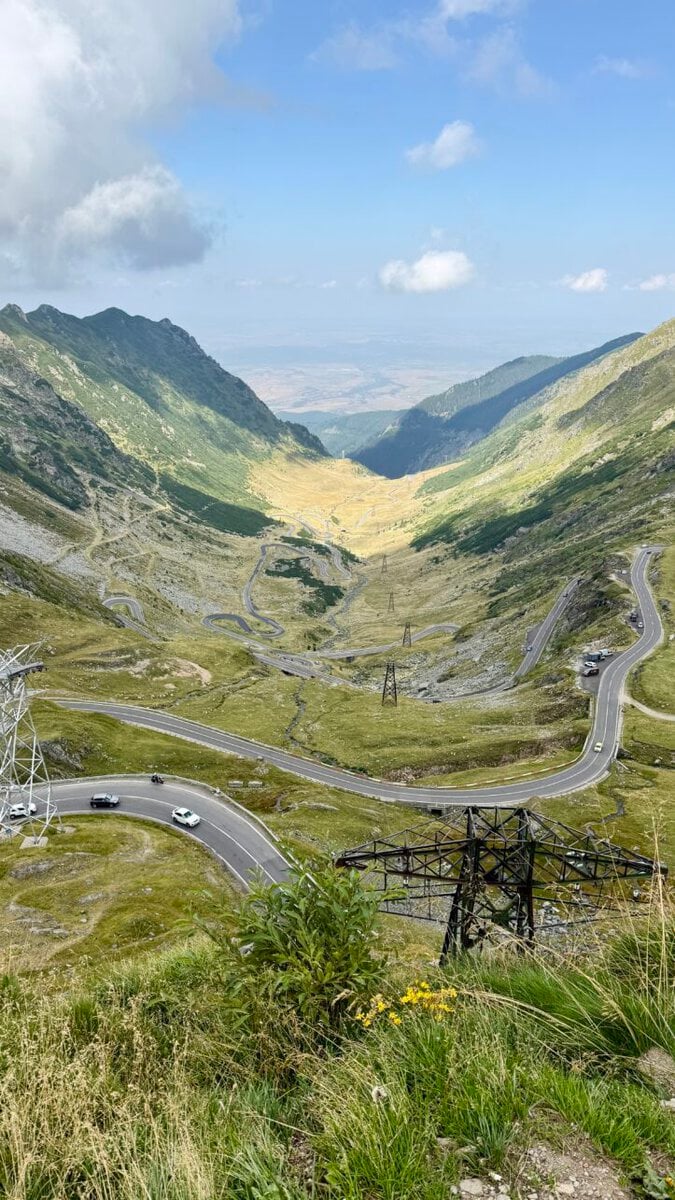
The Transfăgărășan, officially DN7C, runs about 151 km across the Southern Carpathians and links Wallachia in the south with Transylvania in the north. The part everyone comes for is the roughly 90 km mountain stretch between Vidraru Dam and Cârțișoara: hairpin bends, viaducts and short tunnels that top out at 2,042 meters in the tunnel next to Bâlea Lake.
It was built between 1970 and 1974 under Nicolae Ceaușescu as a strategic route across the mountains. Top Gear filmed there in 2009, and the road has drawn drivers from all over Europe ever since. Like Bolivia’s Death Road, it’s a road people travel to for the road itself. It’s also only Romania’s second-highest paved road, behind the Transalpina at 2,145 meters.
Getting to the Transfăgărășan Highway From Bucharest
The mountain road starts near Curtea de Argeș, about 155 km northwest of Bucharest, so a day trip from the capital means several hours in the car each way before you reach the first hairpins. You have two options: rent a car and drive yourself, or join an organized tour.
Option 1: Rent a Car
Driving yourself gives you the freedom to stop at viewpoints and set your own pace. Expect tight switchbacks, mountain weather that changes fast and a full day behind the wheel. The recommended speed on the mountain section is 40 km/h, the high section between Piscu Negru and Bâlea Cascadă closes to traffic overnight, and you need a Romanian road vignette (rovinieta) for national roads.
Option 2: Book a Guided Day Trip From Bucharest
I was traveling solo in Romania, so I booked an organized day trip instead, and I’m glad I did. I didn’t have to drive for hours, the tour built in several scenic stops, and I got to see a completely different side of Romania without thinking about transport or mountain roads.
If you’re traveling solo, don’t feel comfortable driving in the mountains or just want someone else to handle the logistics, a guided tour is worth considering. And if you’re spending a few days in the capital first, my Bucharest Travel Guide covers what to do, where to eat and how to plan your time there.
My Day on the Transfăgărășan Highway
Leaving Bucharest for the Mountains
Our day started in Bucharest. The drive out is long, but the views made it easy: city streets gave way to farmland, then forest, then the first mountain ridges. I spent most of that stretch looking out the window.
Romania’s landscapes surprised me the same way Zhetysu in Kazakhstan did, and this was only the beginning.
First Stop: Vidraru Dam
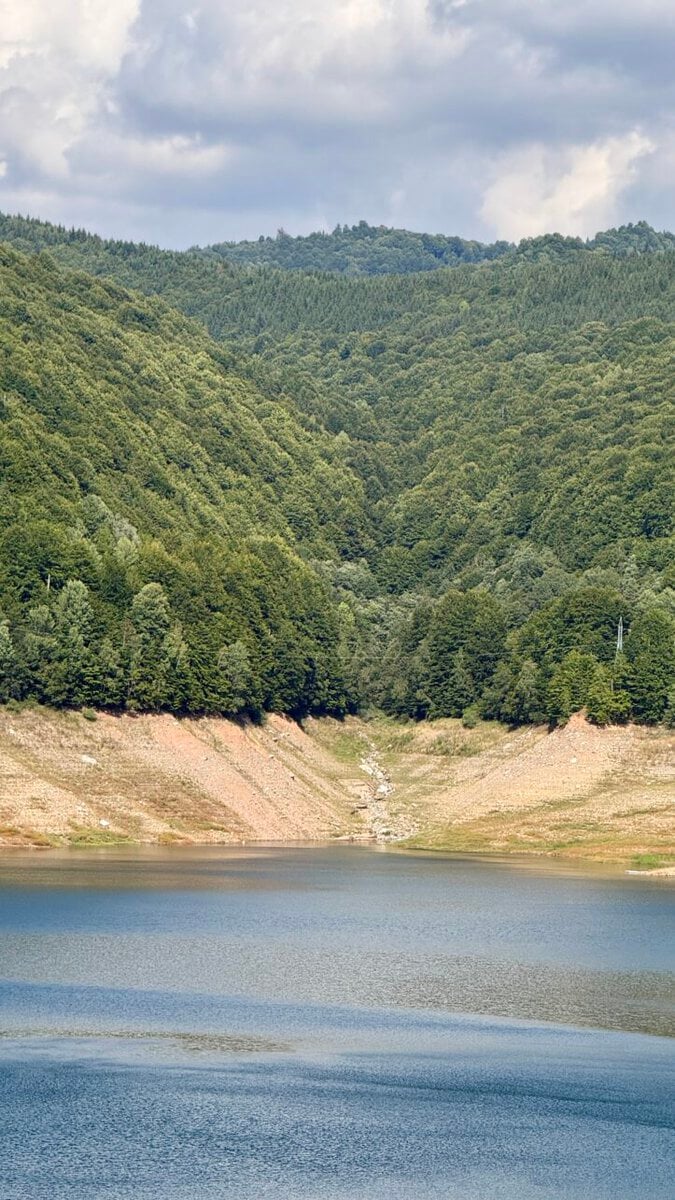
Our first scenic stop was Vidraru Dam, a 166-meter arch dam completed in 1966 that holds back Vidraru Lake. The road runs across the top of it, with forested mountains on every side. It was a good place to stretch our legs and take photos, and from here the scenery kept growing as we climbed farther into the mountains.
Spotting Wild Bears Along the Transfăgărășan Highway
Now for my favorite part of the day: the bears. Romania has one of Europe’s largest brown bear populations, which the environment ministry puts at roughly 10,000 to 13,000 animals, and the Transfăgărășan is one of the places where travelers see them most often.
I took this tour in early September, and we were lucky. Over the day we spotted seven wild brown bears, a few of them on the way back toward Bucharest. Sightings are never guaranteed, and I didn’t expect to see so many. Watching them in their own environment instead of a zoo made the whole day.


These are wild animals. Bears that wait by the road usually do so because people feed them, and that has led to injuries and to bears being relocated or shot. Feeding bears is illegal in Romania, with fines of RON 10,000 to RON 30,000, and stopping on the road to feed or photograph them is forbidden too. If you see a bear, stay in the vehicle with the windows closed, don’t call it over and follow your driver’s lead.
My Tip: Choose Your Seat Wisely on a Group Tour
One thing I wish I’d known before booking: if you’re joining a group day trip for the scenery or the wildlife, try to get a window seat or one near the front of the vehicle.
On my tour, seating was first come, first served. I arrived a little late and ended up toward the back, which is not great for photos. Then the winding roads set off my motion sickness, and I got moved to the front seat. It turned out to be the best seat in the vehicle, with a clear view of the mountains and the bears and nobody to lean past.
If you get carsick, prepare before the drive, because this road has a lot of twists and turns. A good seat is for watching the scenery and wildlife from a safe distance, not for getting closer to the animals.
Bâlea Lake at the Top of the Pass


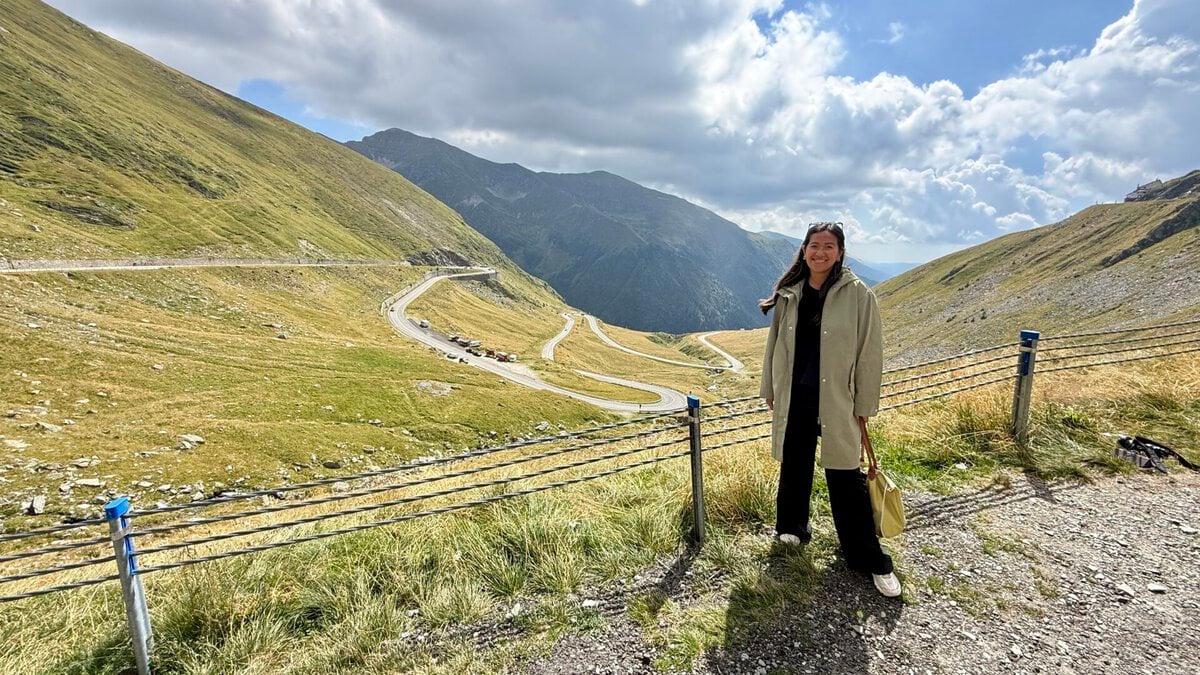
The other big moment was Bâlea Lake, a glacial lake at about 2,040 meters, right where the road crosses the ridge. Peaks rise around it, and our stop gave us time to walk along the shore, take photos and look back down at the hairpins. Seeing the road cut through the mountains from above was my favorite photo moment of the trip, and the view that shows how wild this highway really is.
Depending on your schedule, the weather and your free time, you may be able to walk some of the nearby trails. Check conditions before you set off and follow local safety guidance, because this is bear country. Outside the road season, a cable car runs up to the lake from Bâlea Cascadă on the northern side.
Best Time to Visit the Transfăgărășan Highway
Timing matters more here than on most road trips. The high section between Piscu Negru (km 104) and Bâlea Cascadă (km 130.8) is officially closed from November 1 to June 30 because of snow, ice and avalanche risk. The real dates move with the weather: in recent years the road has reopened anywhere from early June to July 1 and closed between early October and mid-November. The lower sections on both sides, including Vidraru Dam in the south and Bâlea Cascadă in the north, stay open all year.
For the full drive, plan for July to September. Summer weekends get busy, so a weekday gives you more room at the viewpoints and around Bâlea Lake. If you’re combining Romania with Bulgaria next door, this 4-day Bansko itinerary takes you into the Pirin Mountains.
When Can You See Bears on the Transfăgărășan?
Brown bears are most active from late spring through fall and slow down in winter, although hibernation varies with the weather and the food supply. Bears don’t follow a tourist calendar, and no tour can promise a sighting.
If you want mountain views and a chance of seeing bears, aim for July to September, when the high road is most likely to be open. My early September trip fit that window well. Treat the day as a scenic road trip first and a possible bear sighting second.
Practical Tips for Visiting the Transfăgărășan Highway
- Check the road status: the high section closes seasonally, and the opening dates depend on the weather.
- Plan for a long day: from Bucharest it’s several hours of driving each way before any sightseeing stops.
- Pick your seat early on a group tour: front and window seats give the best view of the road and the wildlife.
- Bring layers: at 2,000 meters it can be far colder than in Bucharest, even in summer.
- Pack snacks and water: it’s a long day, and facilities between stops are limited.
- Keep your camera ready: hairpin views, Vidraru Lake and the odd bear come up fast.
- Leave the bears alone: no feeding, no getting out of the vehicle near them and no close-up selfies.
- Keep expectations realistic: sightings depend on luck, and a great day on this road can include zero bears.
Frequently Asked Questions
When is the Transfăgărășan Highway open?
The high mountain section between Piscu Negru and Bâlea Cascadă is officially open from July 1 to October 31, and the actual dates shift with the snow. In recent years it has reopened in June and closed anywhere from early October to mid-November. The lower sections on both sides stay open all year.
Can you do the Transfăgărășan as a day trip from Bucharest?
Yes, but it’s a long day. The mountain road starts near Curtea de Argeș, about 155 km from Bucharest, so you spend several hours on the road each way. A guided day trip takes the driving off your hands, and self-drivers who want more time can stay overnight at one of the chalets along the route.
Is it safe to see bears on the Transfăgărășan?
It’s safe as long as you stay in the vehicle and keep your distance. Most incidents happen when people get out to feed or photograph bears. Keep the windows closed, don’t stop on the roadway and follow your driver’s instructions.
What is the fine for feeding bears in Romania?
Feeding bears is illegal in Romania and carries a fine of RON 10,000 to RON 30,000. Stopping on the national road to feed or photograph them can bring a separate traffic fine on top.
Can you reach Bâlea Lake when the road is closed?
Yes. A cable car runs from Bâlea Cascadă on the northern side up to Bâlea Lake while the high road is closed. It depends on the weather, so check before you travel.
Is the Transfăgărășan the highest road in Romania?
No. It reaches 2,042 meters, which makes it Romania’s second-highest paved road. The Transalpina, farther west, climbs to 2,145 meters.

