

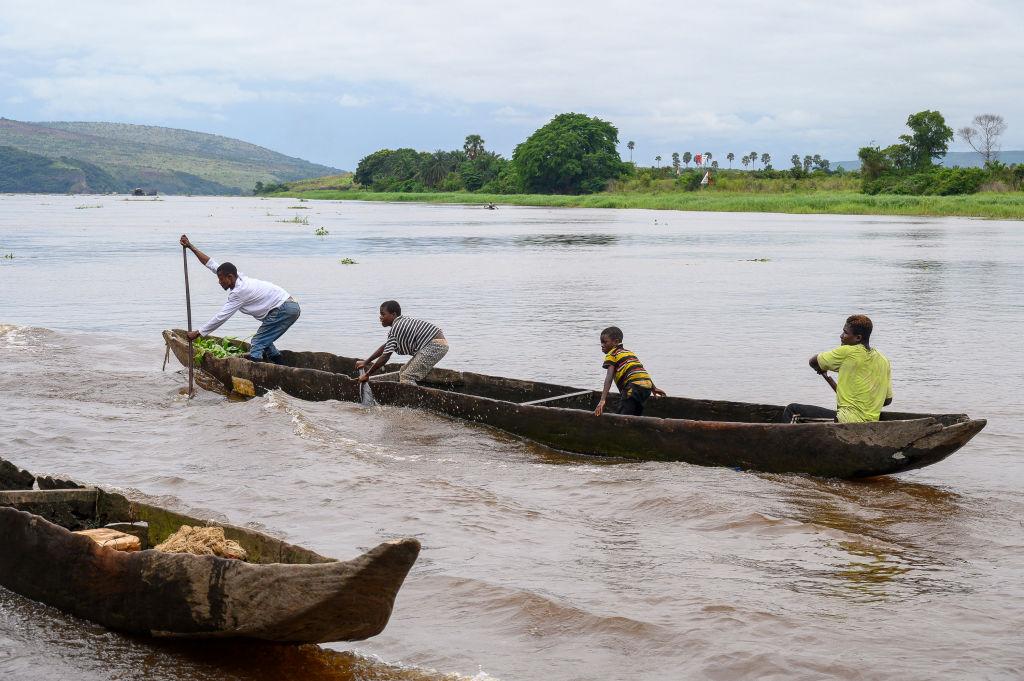
The guide raises a hand and the canoe goes quiet. For a few minutes the only sound is water against the wooden hull, and then a family of wild bonobos moves along the riverbank, unaware of the boat. Guests lower their cameras and just watch. Moments like this are why we take travelers into the Congo Basin rainforest, the second-largest tropical rainforest on Earth after the Amazon.
The Democratic Republic of the Congo holds most of it, and it’s the only country where bonobos live in the wild. What follows is how a guided expedition into the forest unfolds, from the first river crossing to the evening fire, and what you need to sort out before you go.
Explore the Congo Basin With DRC Tourism
DRC Tourism runs guided expeditions into the Congo Basin rainforest from its base in Gombe, Kinshasa, with river travel by canoe, wildlife watching with local guides and visits to forest communities.
Good to know
Regions: Équateur, Tshuapa, Mongala and Tshopo provinces
Wildlife: bonobos, forest elephants and rare forest monkeys, with sightings never guaranteed
Price: most multi-day expeditions cost €4,500 to €8,500 per person, depending on the itinerary and accommodation
Tailor-made trips with private guides, charter flights and premium lodges can cost more than €10,000 per person
Leaving Kinshasa for the Forest
Expeditions start in Kinshasa and head for the forest provinces of the central basin, such as Équateur and Tshuapa. The closer you get, the more the green takes over. The first thing most guests notice is the forest itself, a deep green canopy running to the horizon, cut only by rivers that catch the light.
The air is warm and humid, usually somewhere between 24°C and 32°C, and full of sound: birds calling across the canopy, monkeys chattering in the distance, leaves moving high above you. Many travelers say this is the point where it sinks in that they’ve arrived somewhere still wild.
By Dugout Canoe on a Congo River Tributary
Local guides meet the group, give a short briefing and then everyone climbs into a traditional wooden canoe. From here the journey follows a quiet tributary of the Congo River, with the canopy reflected in the water and birds crossing overhead.
The pace is slow on purpose. Around each bend there’s something new: a flash of color in the trees, monkeys moving through the canopy, or fresh tracks and other signs of forest elephants on the muddy bank. Seeing the elephants themselves takes patience and luck, so treat a sighting as a bonus.
The Moment the Bonobos Appear
Bonobos are one of our closest living relatives, and according to WWF they live in the wild only in the forests south of the Congo River in the DRC. WWF puts the population somewhere between 10,000 and 50,000 and notes that it has likely been falling for decades, so every sighting matters.
The encounter usually starts with silence. The forest goes still, the guide signals everyone to stop, and a group of bonobos appears among the trees. You watch from the canoe or the trail at a respectful distance while they feed, move and rest, and the bonobos decide how the moment goes. One guest who had spent several days in the forest told us afterward that this was when the trip stopped feeling like a wildlife tour, because they felt they had stepped into a world older than anything they knew.
Other Wildlife in the Forest
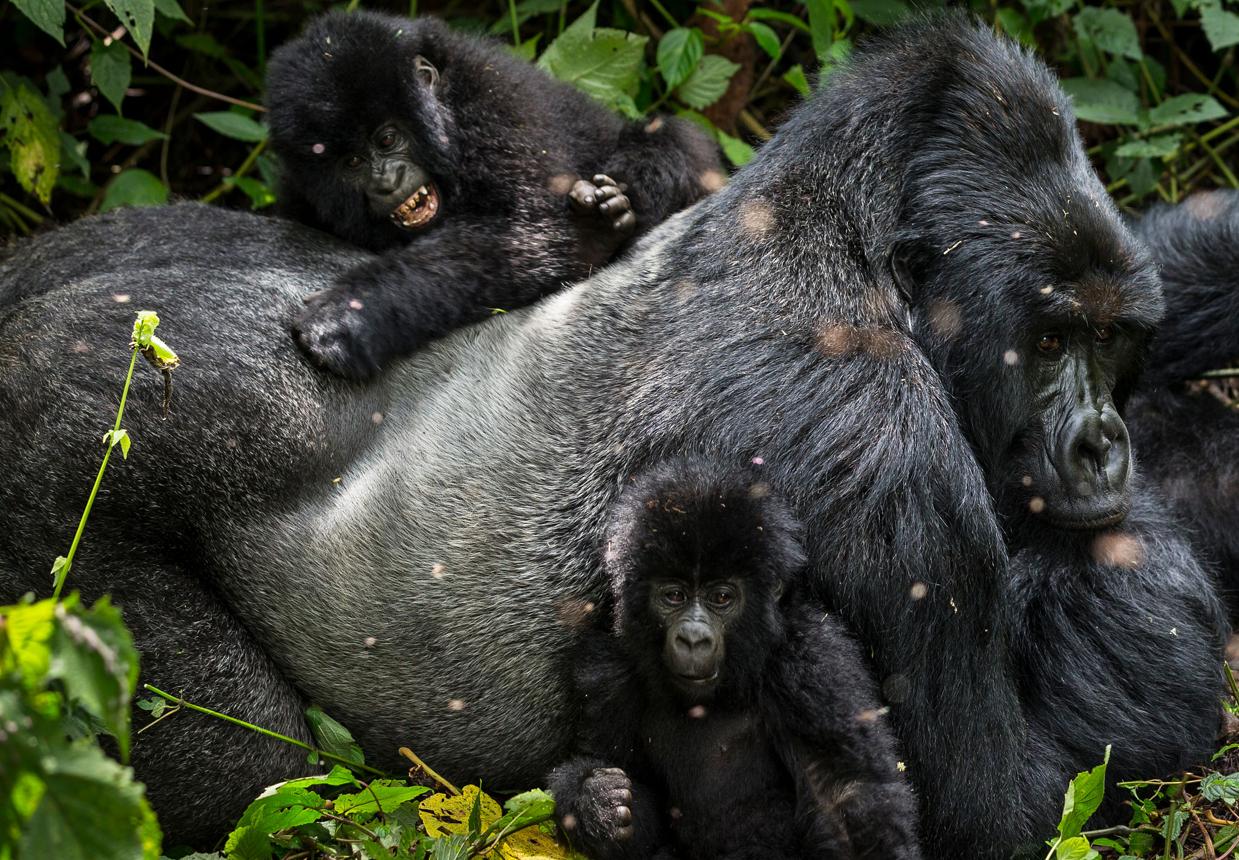
Along the rivers you’ll see a steady stream of birds and monkeys, and the guides read tracks and calls that most visitors would miss. Bonobos aren’t the country’s only great apes either. Gorillas live in the DRC too, and they’re on the list of wildlife DRC Tourism’s guests come hoping to see, always watched quietly and from a distance. Our guide to gorilla trekking in the DRC covers how those visits work, and why responsible tourism matters for gorillas explains the rules behind them.
River Villages and Congolese Food
Later in the day the canoe stops at a riverside community. This is where you learn how people live with the forest: local customs, fishing techniques, storytelling and music, all passed on in person rather than written down. Conversations happen across language gaps, helped along by plenty of laughter.
Food is part of the welcome. Expect freshly grilled fish from the Congo River, cassava, plantains and tropical fruit such as mangoes and pineapples, with the smoky smell of cooking fires drifting through the village. It’s simple, local and tied to the river.
The River Guide
One of the people guests remember most is a river guide who was born in a village on the Congo River and has spent his whole life on its waterways. He identifies animal tracks, recognizes birds by their calls from far away and knows the medicinal plants and stories his family passed down. Listening to him changes how you see both the forest and the people who have lived beside it for generations.
Evening on the River
As the light turns gold, the canoe heads back along the river and the forest changes its soundtrack, from daytime birdsong to the evening chorus. Frequent tropical showers leave everything glistening and fill the air with the smell of rain on earth.
The day ends around a fire or a shared dinner, swapping stories under a sky full of stars. In Lingala, people say Bomoyi ezali mobembo, which means “life is a journey.” Out here, the time between the sightings counts as much as the sightings themselves.
What Most Coverage of DR Congo Misses
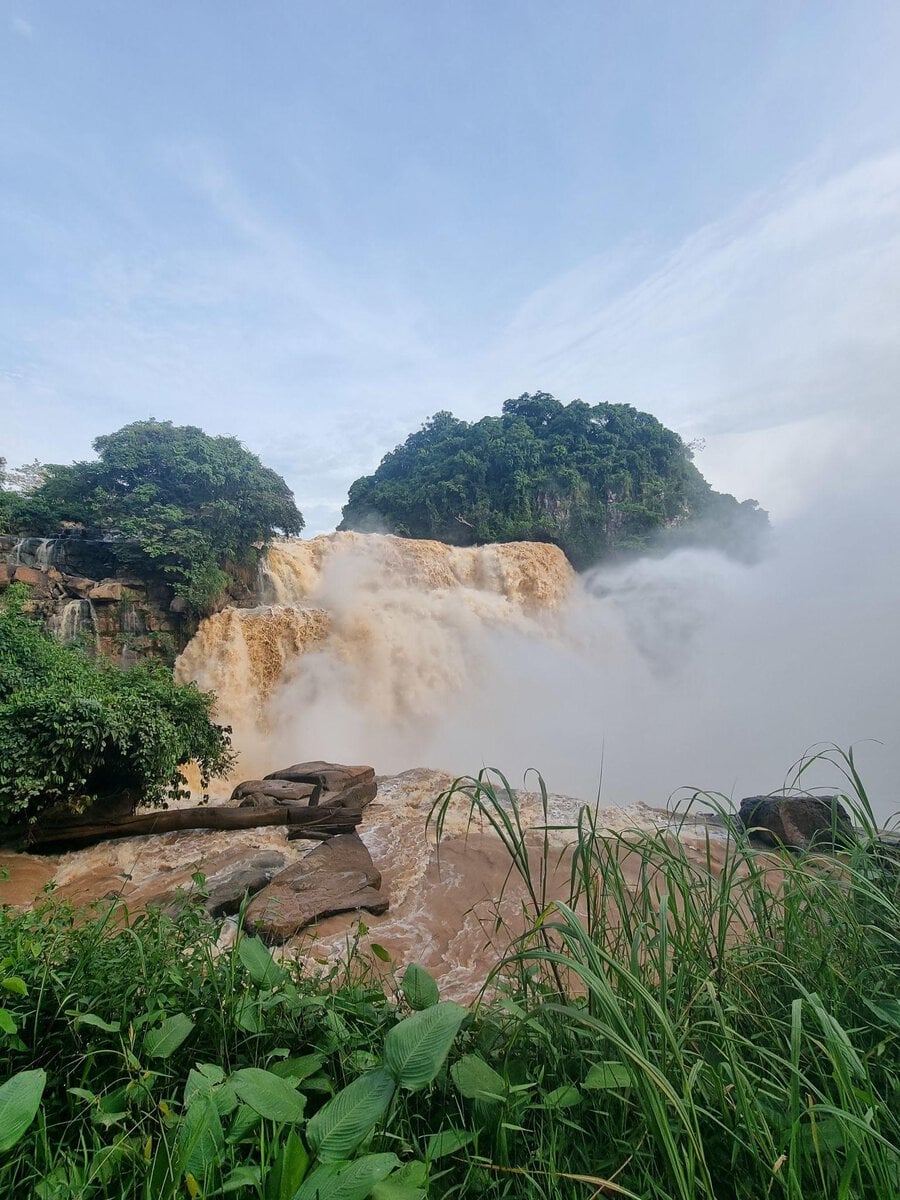
Most international coverage of the DRC focuses on conflict, and very little on the country’s forests, rivers, wildlife and cultures. Travelers who make the trip tend to come home talking about the welcome they received in the villages and the scale of the Congo Basin, which is one of the most important ecosystems on the planet. For another way to see the country, read about what a Congo River expedition looks like when you’re actually on it.
Practical Information
Climate and When to Go
The Congo Basin is warm and humid all year, with temperatures typically between 24°C and 32°C and frequent tropical showers. The canopy gives plenty of shade, so the forest often feels cooler than the numbers suggest.
Getting There
International flights arrive at Kinshasa’s N’djili International Airport. Expeditions start from Kinshasa, and reaching the forest provinces takes a long transfer, so let your operator plan the route, permits and local guides as part of the trip.
Entry Requirements
Most visitors need a visa for the DRC. According to the CDC, proof of yellow fever vaccination is required for all arriving travelers aged nine months and older, so carry your certificate.
What to Bring
Pack lightweight long-sleeved clothing in neutral colors, a rain jacket, insect repellent, sunscreen, comfortable walking shoes and dry bags for your camera and phone. Binoculars make a big difference for birds and primates high in the canopy.
Costs
Congo Basin expeditions are sold as multi-day guided packages, and the price depends mostly on the itinerary, the accommodation and whether you add charter flights. Budget separately for international flights and your visa. For more trip ideas across the continent, see our Africa travel tips.
Frequently Asked Questions
Where can you see bonobos in the wild?
Only in the Democratic Republic of the Congo, in the forests south of the Congo River. Guided expeditions into the central Congo Basin, in provinces such as Équateur and Tshuapa, give you the best chance, though no sighting is guaranteed.
Is the Congo Basin bigger than the Amazon?
No. The Congo Basin is the second-largest tropical rainforest in the world, after the Amazon. It spreads across several Central African countries, and the largest share lies in the DRC.
What is the weather like in the Congo Basin rainforest?
Warm and humid year-round, usually 24°C to 32°C, with frequent tropical showers. Light, quick-drying layers and a rain jacket cover most days.
Do I need a yellow fever vaccination for DR Congo?
Yes. The CDC lists yellow fever vaccination as an entry requirement for all travelers aged nine months and older. You’ll also need a visa, so apply well before you travel.
Is it safe to travel to the Congo Basin?
Conditions differ a lot between provinces, so check your government’s current travel advice for the DRC before you book. Travel with an operator who knows the region you’re visiting and arranges permits, transport and local guides for you.
