

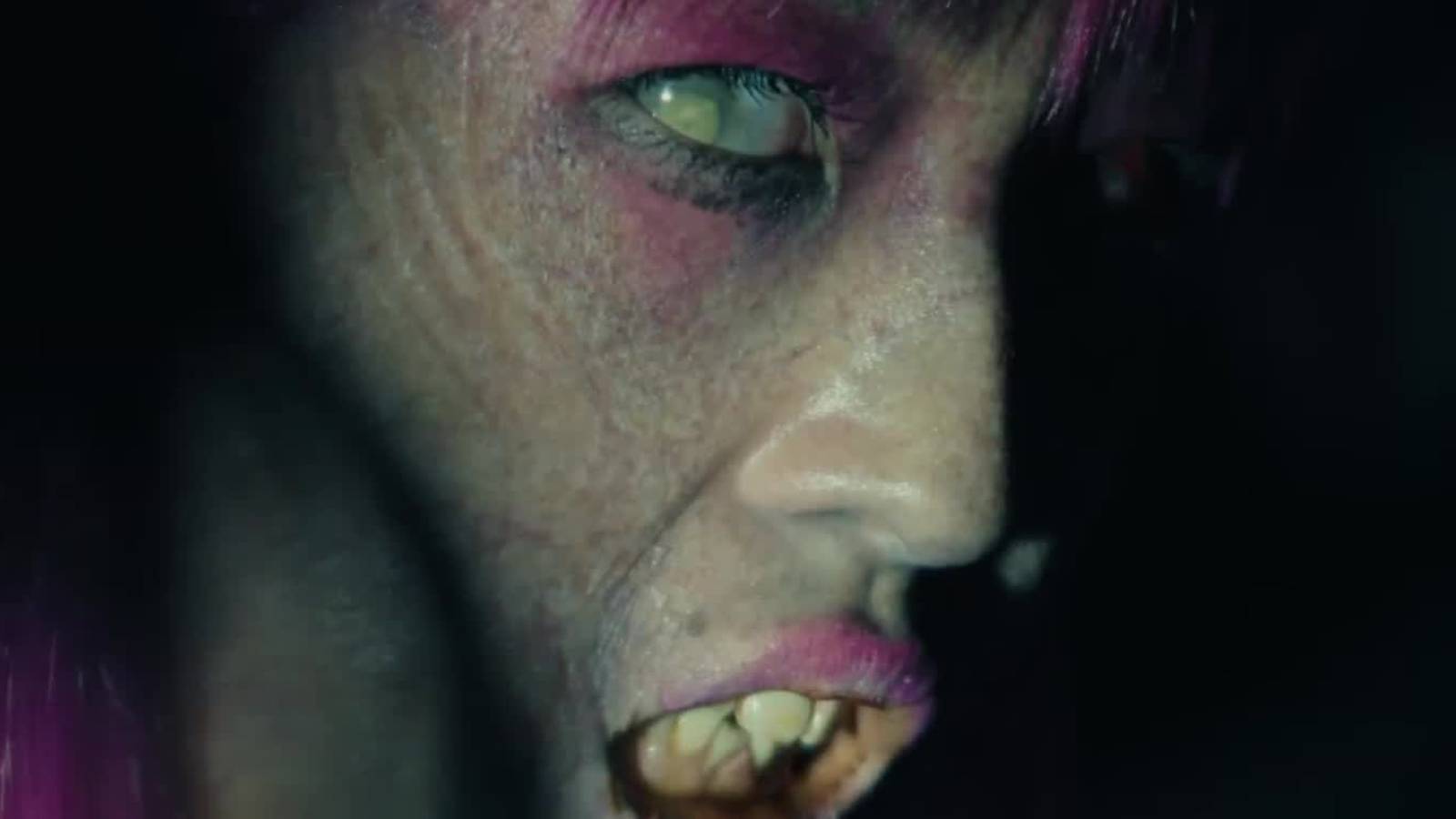
We Bury the Dead is a great horror movie about grief, perfect for anyone dying to check the next 28 Years Later film. The second entry in the now-confirmed trilogy, 28 Years Later: The Bone Temple, has been earning a strong early reaction, and horror fans are ready to sink their teeth into the film.
Before that, they need to check out Zak Hilditch’s new film, which stars Daisy Ridley as a widow searching through an undead-infested countryside in search of closure. While critics and audiences have been divided on the film, anyone who enjoyed the more meditative and thematic elements of 28 Years Later will find plenty to love about this one.
Why You Need To Check Out We Bury The Dead
We Bury the Dead is great and has more in common with the 28 Days Later franchise as a whole than the more undead-filled tension of George Romero’s zombie films or Train to Busan. The monsters aren’t strictly zombies as they’re commonly imagined but as victims of a scientific event that transformed them and destroyed their humanity.
Whereas 28 Years Later preyed on the fear of biological weapons, We Bury the Dead introduces a portion of Tasmania that has been wiped out by an experimental weapons accident. As volunteers work to clear the bodies, workers and soldiers gradually discover that some people have been regaining consciousness, albeit with no mental activity.
As time goes on, however, these victims grow more agitated — eventually giving way to ferocious attacks. As a more plausible riff on the zombie archetype, We Bury the Dead gets to spend more time focusing on the thematic arc of the film, which is a more personal story for Daisy Ridley’s Ava.
An American volunteer in the area, Ava is on the hunt for information about her husband, Mitch. He was visiting Tasmania for a business trip during the explosion, and now Ava needs closure by finding him amid the bodies. Ridley gets a great, quiet showcase, with just enough tension to be painfully effective in her slow-burning grief.
We Bury The Dead Is All About Grief

There are plenty of zombie films that play on the massive hordes people have to get through and the gory aftermath of being even being caught by one of them. It’s a commonly visceral visual, but the best zombie movies have used the threat as a chance to reveal people for their true selves and comment on society at large.
The world of We Bury the Dead is in constant mourning, even when it’s breaking the tension with gallows humor or raising the stakes with physical threats. It uses the raising of the “undead” as a chance to explore grief, with people conflicted over whether it would be worse to see loved ones rise up.
We Bury the Dead uses the baseline zombie trope, rising from the dead, as a means to confront harsh realities about loss and the challenge of getting through it into the film. It makes the film an interesting peer to 28 Years Later, which sees a recognition of the dead as people in tribute by Kelson’s bone temple.
We Bury the Dead roots itself in a version of the apocalypse where the world isn’t overrun, and society is still alive. All that’s left is picking up after a tragedy. It’s more about an emotion and the fallout than the event and the apocalypse, and that’s what makes it so much more compelling than other films.
The horror genre has proven to be a great place for stories about the pain of loss, with Don’t Look Now and Hereditary horrifying audiences in very different ways but with the same emotional core. Fans of what the 28 Days Later sequel trilogy is doing will love what makes We Bury the Dead so good.

We Bury the Dead

8/10
- Release Date
-
January 2, 2026
- Runtime
-
95 minutes
- Director
-
Zak Hilditch
- Writers
-
Zak Hilditch
