

The Everest region offers more than one way to experience the Himalayas. While the Everest Base Camp Trek is famous for its altitude and physical challenge, the Everest Panorama Trek provides sweeping mountain views, cultural depth, and far more comfort—without pushing your limits.
This guide compares both treks side by side, so you can choose the route that fits your fitness level, travel time, and trekking style.
Here’s an overview:
Everest Panorama Trek – Scenic Comfort at Moderate Altitude
The Everest Panorama Trek reaches a maximum altitude of 3,860 meters, making it a strong option for older travelers, moderate trekkers, and those who value comfort alongside scenery.
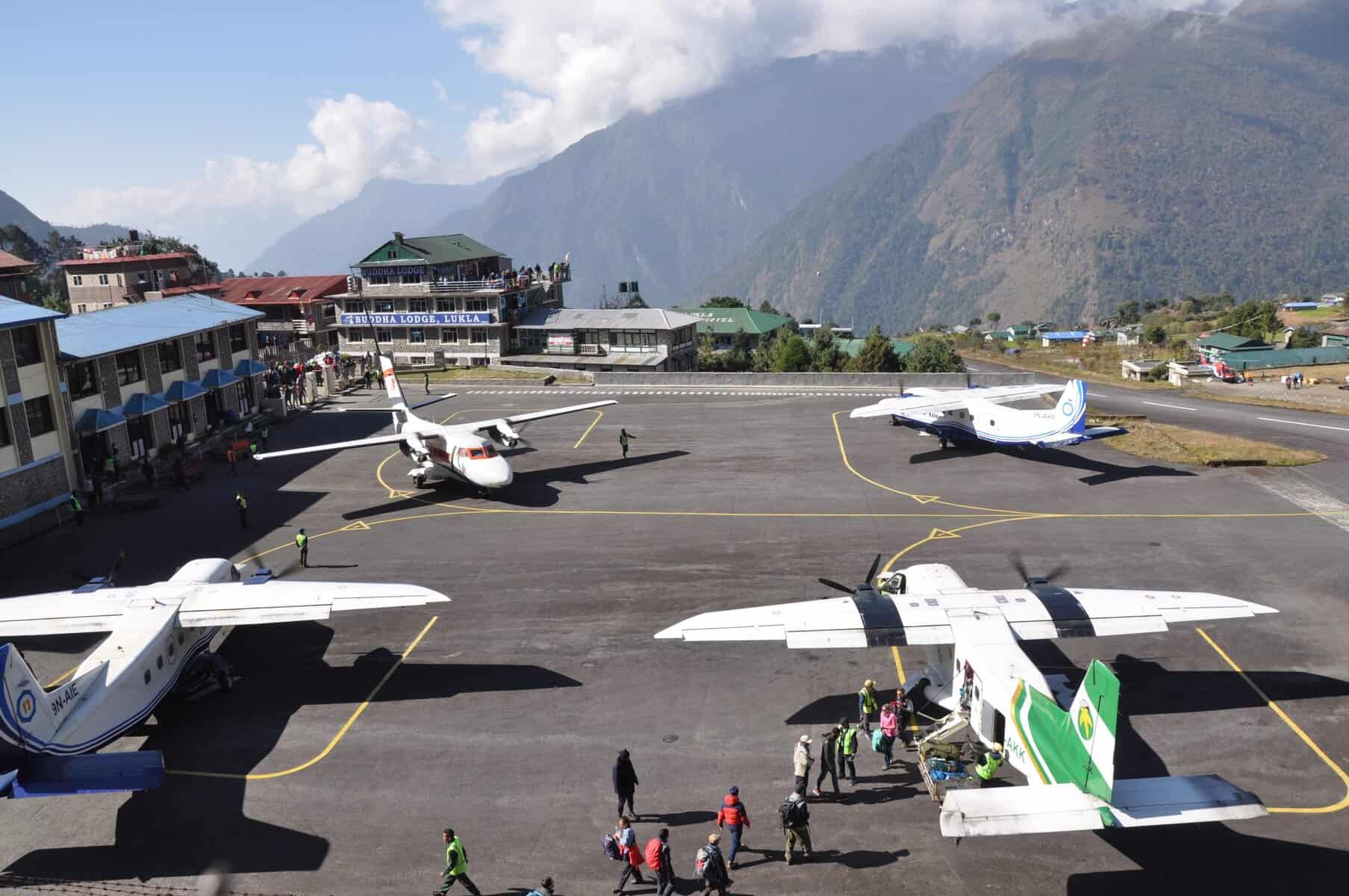
The journey usually begins with a scenic flight to Lukla, followed by well-maintained trails through Phakding, Monjo, Namche Bazaar, and Tengboche. Each stop brings a mix of Himalayan views and everyday Sherpa life.
Expect clear views of Mount Everest, Lhotse, and Ama Dablam. Tengboche Monastery adds a calm, spiritual pause, while Namche combines markets, cafés, and high-end lodges. This trek suits travelers who want a Himalayan experience without extreme altitude or long trekking days.
Everest Base Camp Trek – The Classic High-Altitude Route
The Everest Base Camp Trek is built for trekkers who want altitude, endurance, and a strong sense of achievement. Reaching 5,364 meters, it usually takes 12–14 days, with steady elevation gain and scheduled acclimatization.
Trails pass through forests, suspension bridges, and Sherpa villages before opening into the dramatic Khumbu Valley. Accommodation is simple but welcoming, with tea houses offering warm meals and shared dining rooms. This trek demands preparation, patience, and comfort with long walking days at high altitude.

Cultural & Human Experience on the Trails
The Everest Panorama Trek feels personal and unhurried. Mornings start with soft light on the peaks, prayer flags moving in the wind, and quiet village paths. Tea houses along ridgelines become natural meeting points for stories and shared meals.
Short walks into nearby villages reveal shrines, small streams, and daily routines shaped by mountain life. Travelers often meet Sherpa families, witness local festivals, and gain insight into traditions that continue alongside modern trekking tourism. Some lodges now offer reliable internet, allowing remote workers to stay connected while surrounded by Himalayan views.
Everest Panorama Trek vs Everest Base Camp Trek
| Feature | Everest Panorama Trek | Everest Base Camp Trek |
|---|---|---|
| Max altitude | 3,860 m | 5,364 m |
| Duration | 6–8 days | 12–14 days |
| Difficulty | Moderate | High |
| Accommodation | Luxury lodges & Everest View hotels | Basic tea houses |
| Best for | Short trips, comfort seekers, remote workers | Adventure-focused trekkers |
| Focus | Views, culture, comfort | Endurance, altitude, achievement |

Why Choose Everest Panorama Trek?
- Short Holidays & Moderate Fitness: Perfect for travelers who cannot commit 2 weeks or tolerate high altitudes.
- Luxury & Comfort: Stay in Everest View Hotels, Namche Bazaar lodges, and Tengboche accommodations.
- Adventure with Ease: Panoramic trekking, scenic flights to Lukla, and moderate trails provide breathtaking views without extreme exertion.
- Cultural Immersion: Interact with Sherpa and visit monasteries, and experience local traditions.
- Remote Work & Nomad-Friendly: Lodges provide high-speed internet, allowing software developers and digital nomads to work while trekking.
Best Time to Trek the Everest Region
The Himalayas change dramatically with the seasons, so timing matters when choosing between the Everest Panorama Trek and the Everest Base Camp Trek.
- Everest Panorama Trek (Max. altitude 3,860 m): Best enjoyed in spring (March–May) and autumn (September–November). The moderate altitude makes it possible to trek even in winter (December–February) when skies are clear and trails are quieter, though temperatures drop. This flexibility makes Panorama ideal for older travelers, short-holiday seekers, and those who prefer comfort with views.
- Everest Base Camp Trek (Max. altitude 5,364 m): Best in spring (March–May) for blooming rhododendrons and stable weather, or autumn (late September–November) for crystal-clear mountain views. Winter is possible but very cold at higher camps, while the monsoon (June–August) brings heavy rain, flight delays, and leeches on the lower trails, making it the least favorable time.
Related read: Best Time to Trek in the Himalayas: Seasonal Guide to Nepal’s Top Routes

Which Trail is Best?
Both treks highlight the beauty of the Everest region, but they suit different travelers.
- Choose the Everest Base Camp Trek if altitude, endurance, and challenge are your goals.
- Choose the Everest Panorama Trek if you want views, culture, and comfort without pushing your limits.
Whichever path you take, the Himalayas leave a lasting impression—one village, trail, and mountain morning at a time.

