

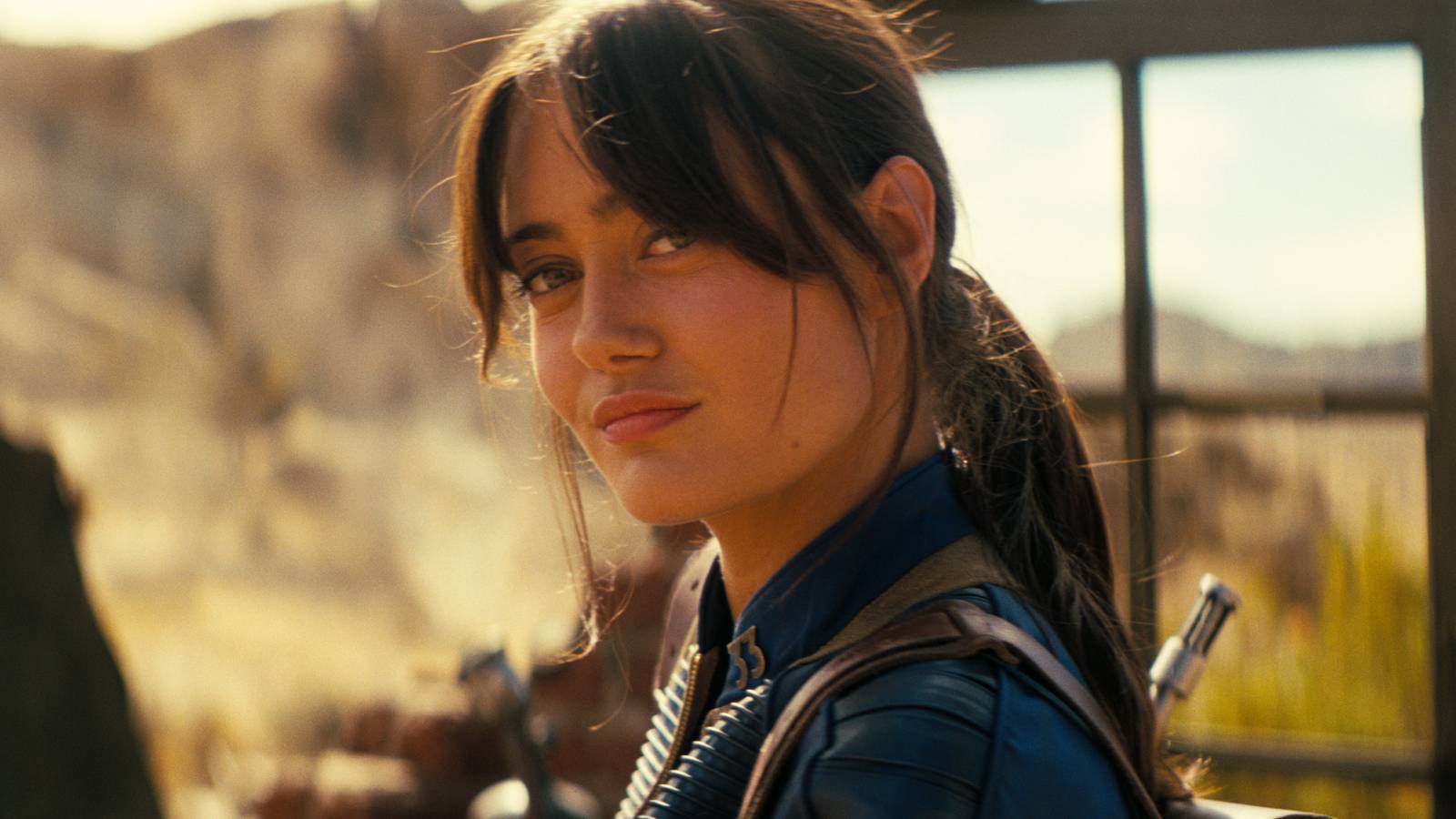
Prime Video’s Fallout TV series is a brilliant video game adaptation, inspired by the post-apocalyptic world of the game, but tells an entirely original story. Rather than just placing Easter eggs, the Fallout TV series incorporates background details from the game and turns them into major plot points.
Getting a backstory to the iconic Fallout Vault Boy logo is thrilling for game players, but a good series isn’t just about Easter eggs. The expansive world is part of the draw, but the people need to care about the characters in Fallout, and season 2 is making them more scattered than ever, physically and in terms of purpose.
Fallout’s Expansive World Is Becoming A Narrative Problem
Fallout’s world has always been a marvel to explore. The series’ retro-futuristic, post-apocalyptic setting, filled with quirky technology, ruined cities, and the occasional bizarre mutant, is a playground for imagination. The TV adaptation leans into that beauty, crafting a visually striking universe while respecting the game’s lore, tone, and timeline.
But there’s a challenge emerging. Unlike other video game adaptations that can rely heavily on pre-existing storylines, Fallout is almost entirely charting new territory. The series tells an original story within the game’s canon, which gives it freedom but also demands careful narrative cohesion.
Season 2 scatters the characters physically and purpose-wise. Each character is on their own quest, and while these threads are intriguing individually, the show hasn’t yet tied them together logistically or thematically. Fun reveals and clever world-building don’t automatically translate to satisfying character arcs.
As more villains like Fallout’s Mr. Robert House enter the mix, there’s a risk that the sprawling world could overshadow its characters. Kyle MacLachlan is finally being given more to do in Fallout season 2, but adding more backstory doesn’t assuage my worry that, without a strong, character-driven throughline, the story could start to feel disparate.
The audience can get lost in exposition or impressed by action sequences, but the tension lies in balancing the joy of discovering new corners of Fallout’s universe with maintaining narrative clarity and emotional investment. The show faces the delicate task of ensuring its vast, fascinating world serves the characters’ journeys rather than overshadowing them.

One way to understand Fallout’s narrative challenge is to compare it to other recent video game adaptations like The Last of Us and Twisted Metal. Both series, despite different tones and styles, are fundamentally focused on a smaller number of characters, allowing the world to enhance the story rather than overwhelm it.
At its core, The Last of Us is a lone wolf and cub story. Season 1 centers on Joel and Ellie, season 2 on Ellie and Dina. The Last of Us also has the benefit of being one of the most narratively driven, cinematic games.
The show still gives it adaptive flourishes, like The Last of Us season 1, episode 3’s beautiful, standalone love story, expanded from just a letter in the game, but the narrative remains intimate and character-driven. The series provides the audience with a clear emotional throughline even as the world around them is bleak and dangerous.
Meanwhile, Twisted Metal is closer to Fallout in its reliance on world-building. The post-apocalyptic chaos, bizarre characters, and elaborate lore provide the backdrop for the show, but the story itself primarily follows John and Quiet.
The larger world and its many possible stories exist as texture, not the main attraction. There are no revelations about the end of the world. Even with multiple characters drawn from the games, season 2 keeps everyone in one place, with a clear goal of winning the Twisted Metal tournament so viewers can easily track stakes and motivation.
The Last of Us and Twisted Metal show how even a richly imagined universe works best when it serves a tightly focused story. Fallout, with all its fascinating detail, now faces the challenge of ensuring its world-building enhances rather than distracts from the characters’ journeys.
Most Major Fallout Characters Are Getting Further Apart, Not Closer Together

Fallout’s second season is ambitious in its scope, but that ambition comes with a narrative risk: characters are drifting apart instead of converging. The series is spreading them across the map, scattering storylines, and layering in complex backstories and new villains.
The danger is that the expansive world could overshadow the characters themselves, turning an emotionally resonant story into a collection of loosely connected adventures. Lucy is on a mission to hunt her father, a quest that drives her arc forward with clear stakes. The Ghoul, meanwhile, is following Hank, hoping he will lead them to his family.
Hank himself is up to something insidious in Las Vegas, adding moral ambiguity and tension. Norm is stirring trouble back at the Vaults, and Maximus has withdrawn into quiet resentment, convinced Lucy abandoned him, leaving him embittered within the Brotherhood. Some Fallout storylines are more compelling than others, and it’s increasingly unclear how (or if) they will intersect this season.
The lone wolf and cub dynamic between Lucy and The Ghoul, which could serve as an emotional throughline, is now competing with multiple parallel arcs. Fallout is aiming for an ensemble structure, giving Maximus, Norm, and now Hank significant screen time, but the result at this point is a sense of disconnection.
Fallout season 1 balanced large-scale world-building with character-driven storytelling, but season 2’s sprawling approach makes that balance harder to maintain. Fallout season 2 now faces a delicate challenge: tying these scattered threads together in a way that keeps the audience invested in its ensemble, rather than letting the characters get lost in their own quests.

- Release Date
-
April 10, 2024
- Showrunner
-
Lisa Joy, Jonathan Nolan
- Writers
-
Lisa Joy, Jonathan Nolan