

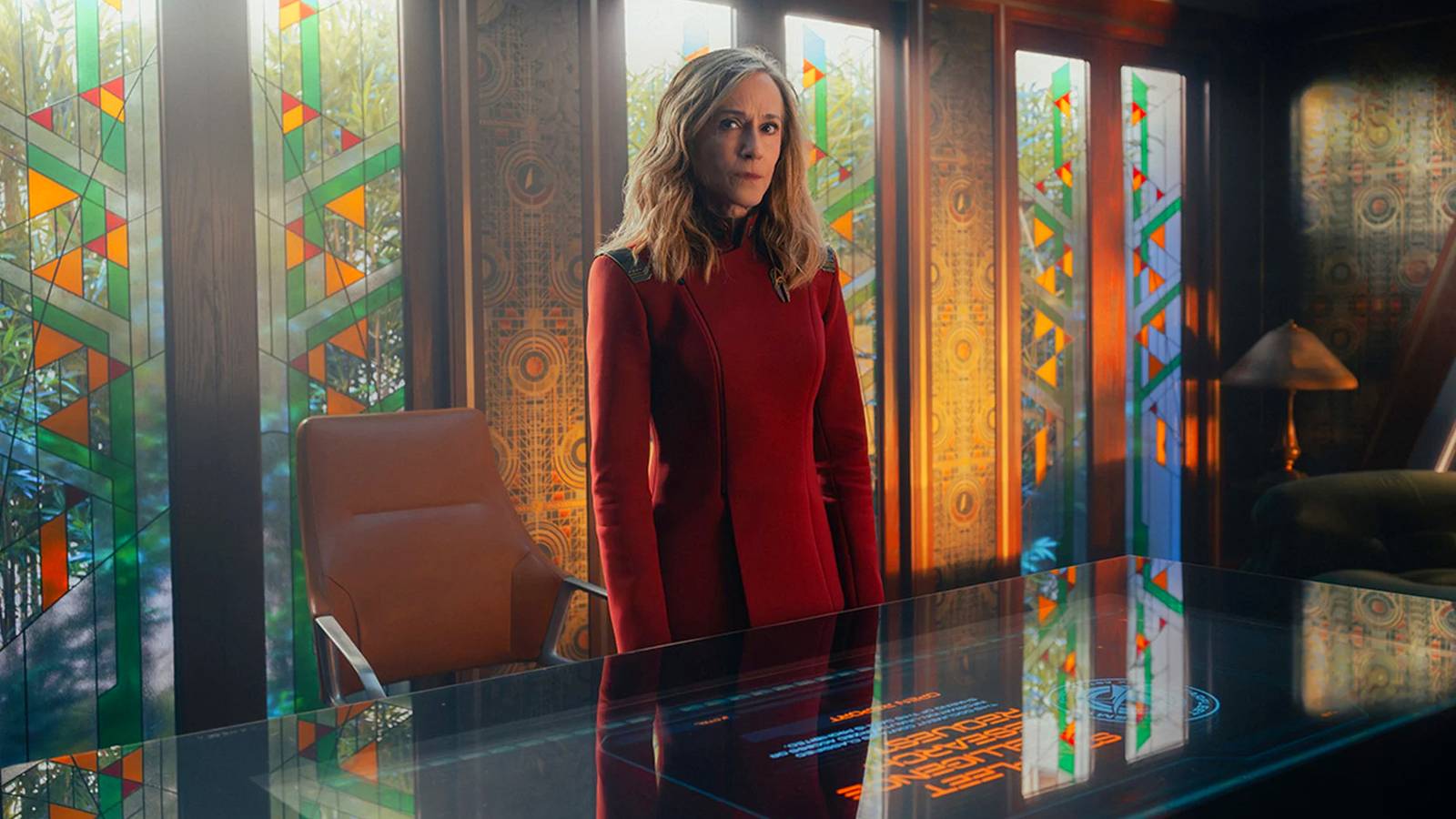
Playing the captain in a Star Trek TV series is a prestigious honor, one that originated with William Shatner before passing onto the likes of Patrick Stewart, Avery Brooks, Kate Mulgrew, and Scott Bakula. In the modern era, Star Trek has Sonequa Martin-Green, Dawnn Lewis, and Anson Mount, but another name now joins that elite club: Holly Hunter, who portrays Chancellor/Captain Ake in Star Trek: Starfleet Academy.
Ake is fairly revolutionary for a lead captain figure. She’s the first to balance the role of captain with being the chancellor of an academy, and she also has Lanthanite heritage, meaning she’s over 400 years old during Star Trek: Starfleet Academy‘s timeline. Ake has another striking difference compared to past captains, but it’s a trait that really began 5 years ago with Burnham in Star Trek: Discovery.
Modern Star Trek Began A Trend Of More Relaxed Captains
When Star Trek: Discovery began, Sonequa Martin-Green’s Michael Burnham was entrenched in her Vulcan upbringing – logical to a fault, emotionally closed off, and socially awkward. By the time Burnham found herself promoted to the captain’s chair, she was virtually unrecognizable. Across Star Trek: Discovery seasons 4 and 5, Burnham wore her heart on her sleeve, openly treated crew members like family, and allowed for a greater degree of informality with her command team.
James T. Kirk was arguably the most relaxed captain of Star Trek‘s pre-Disco era, but even the likes of Picard and Janeway could let down their hair (or lack thereof) when the occasion called for it. Their ships weren’t just workplaces, after all, but homes where everyone had to live together. On the bridge, or when handling business on a planet’s surface, however, all of those classic captains would lock in their professional personas and adhere to proper Starfleet command structure.
Burnham was the first to bring the familiarity previous captains usually saved for behind closed doors out into the open, making it a core part of her leadership style.
In a less overt way, Anson Mount’s Captain Pike continued that trend in Star Trek: Discovery. Still a more old-school captain to suit Strange New Worlds‘ old-school ethos, Pike’s deep bonds and emotional chats created a fluidity between his status as a captain and duties as a friend.
Nahla Ake Is Star Trek’s Most Chill Captain Yet

Starfleet Academy‘s Captain Ake brings that trend to its logical conclusion. Ake has a close personal relationship with her number one (no real change there), but whereas previous Star Trek shows began with the captains already well-acquainted with their respective crews, Ake has only just introduced herself to the Athena’s bridge team.
Nevertheless, Ake’s less formal attitude comes across in other ways: her preference for going barefoot during meetings, her habit of lounging around on chairs, her subtle assist in the Starfleet Academy vs. War College prank war. Ake already treats Caleb Mir like a son (something Starfleet Academy has provided a deeper reason for), but the Athena captain also takes a softer, more nurturing approach toward all of her students.
Often coming across like a big kid herself, it’s never quite clear where Ake the chancellor begins and Ake the friend ends. Like Burnham before her, Ake is breaking down the traditional walls of militaristic authority, one set of novelty warp core pajamas at a time.
Why Captain Ake’s Relaxed Leadership Style Is A Good Thing For Star Trek
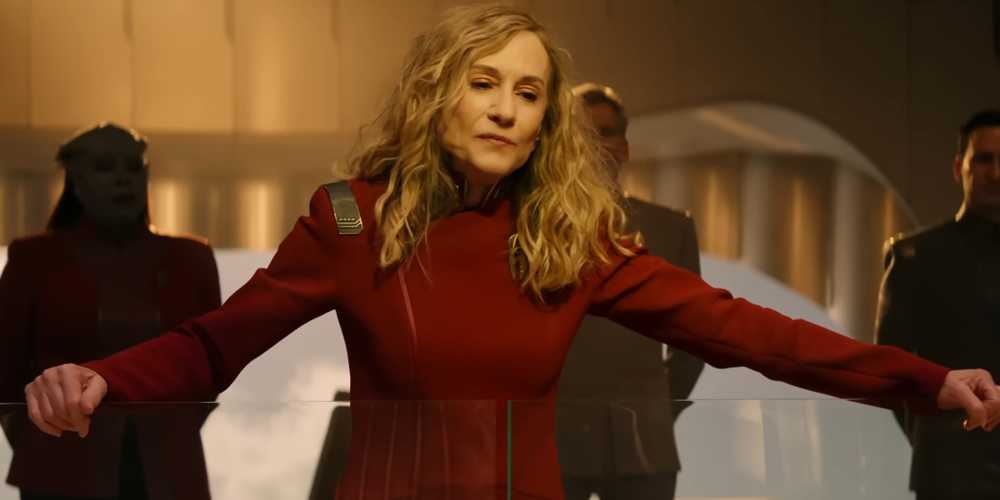
On one level, it can be said that Ake’s emotional openness and various quirks make for a more intriguing and compelling character. That’s certainly true, but her relaxed leadership style goes deeper than that.
Modern Star Trek is reflecting a shift in societal values over the past 60 years. When Kirk’s Enterprise first ventured out onto NBC, and even for later generations, the attitudes of the day demanded respect for authority. The unconventional were sidelined, emotions were suppressed, diversity was hard won, and mental health was a taboo subject.
The western world has made some progress since then, and Star Trek‘s new breed of captain exemplifies that. Nahla Ake with her toes out and Riker-like aversion to sitting down like a normal person would have been viewed as unprofessional once upon a time. In Starfleet Academy, it rightly doesn’t matter because Ake is damn good at her job. Similarly, the kindness and empathy Ake shows toward students would have previously been mistaken for weakness. Starfleet Academy celebrates it as a strength.
These messages have always been part of Star Trek‘s DNA, even during the 1960s, but were limited by the times. Six decades later, shows like Star Trek: Discovery and Starfleet Academy have fully embraced the idea that Starfleet’s command structure doesn’t always have to be a tool of intimidation, redefining the very idea of what authority looks like.

- Release Date
-
January 15, 2026
- Network
-
Paramount+
- Showrunner
-
Alex Kurtzman, Noga Landau