

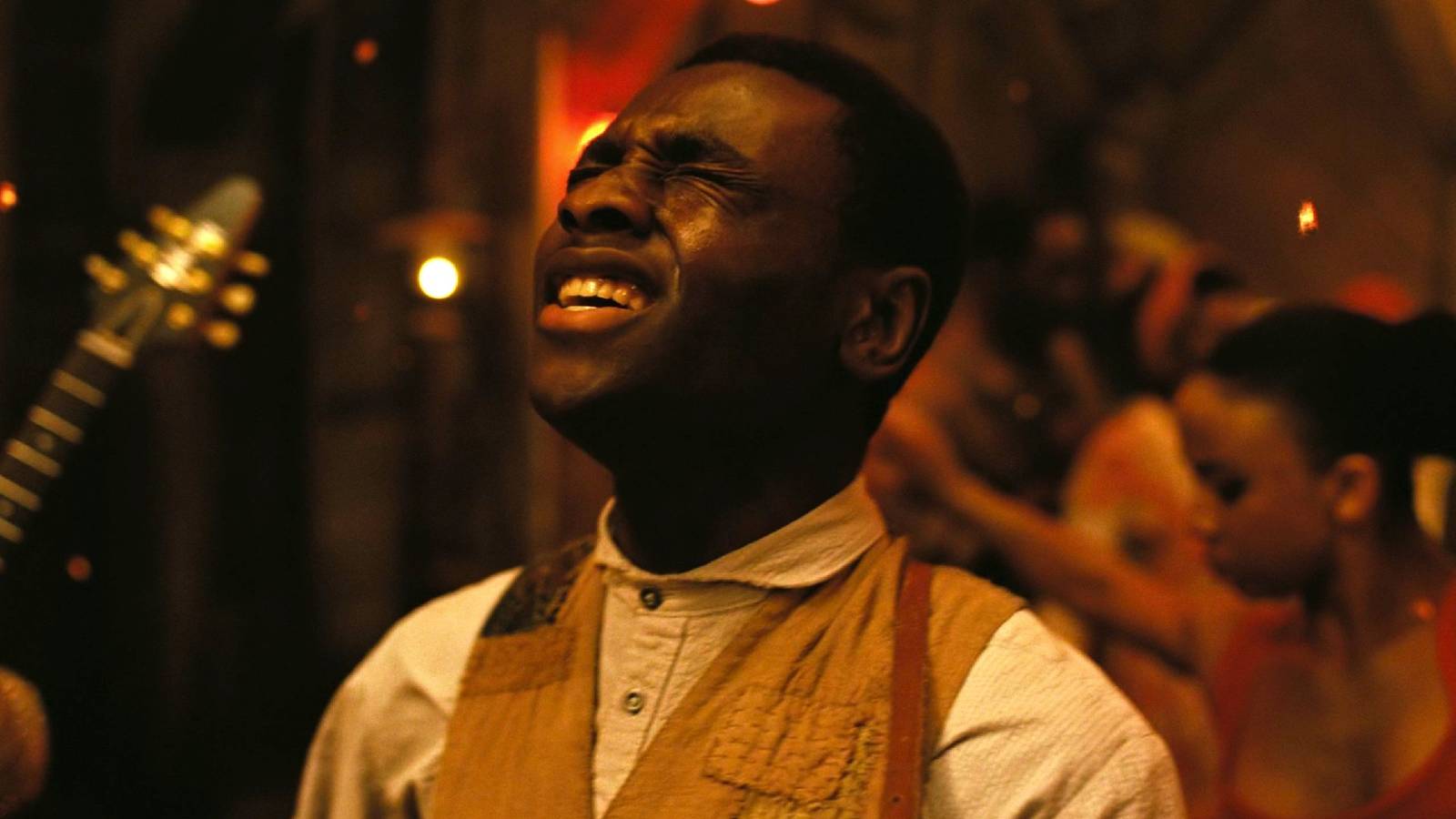
The 98th Academy Awards are already highlighting how much the Oscars have changed, but that’s just the beginning. With Sinners setting a new record for most nominations for a single film and a continued embrace of international fare, the Academy Awards are increasingly becoming a more versatile and diverse space.
The Academy Awards are ever-evolving to reflect an industry perpetually in flux, with the success of Sinners underscoring what films can capture Academy attention. It’s also notably far from the only evolution the ceremony is going through. With the Oscars set to stream exclusively on YouTube starting in 2029, the Academy Awards are responding to the times.
The YouTube/Oscars Deal And What It Means
The Oscars are coming online thanks to YouTube, who have acquired the exclusive rights to broadcast the ceremony (as well as coverage of the red carpet). It’s a five-year deal that could become extended, and will be simulcast in multiple languages. YouTube’s reach could make the Oscars global in a way it hasn’t been before.
The Academy Awards have been broadcast on ABC for over fifty years, and the network will air the award show through its upcoming 100th ceremony in 2028. This is a big deal existentially for the film industry and practically for broadcast television. The rise of streaming services has coincided with struggles on the theatrical side of things.
This makes the Oscars’ decision to be broadcast through one such service galling to a certain corner of the industry. However, YouTube has a far-wider reach and availability than ABC, especially in an age where more people are foregoing traditional television. It’s likely a canny survival move from the Oscars, testing the waters to survive without broadcast television.
Conversely, this is a major blow not just to ABC but to the larger broadcast television market. With streaming platforms steadily eating into news and entertainment, broadcast television has increasingly relied on live events for its largest ratings. Sports and award shows have typically been solid ways to attract a larger audience, even as ratings have suffered.
What The Oscars Leaving ABC Means For Broadcast TV

Events like the Oscars moving to YouTube are a potentially devastating blow, especially if other award ceremonies like the Grammys and the Emmys eventually follow suit and don’t air on television at all. However, it may be the key to the Oscars growing with their viewers — especially millennials, who are increasingly becoming the intended audience.
Sharon Ross, Associate Producer of Film & Television at Columbia College Chicago, noted to Screen Rant that this sets an interesting precedent for YouTube. The digital platform is already home to plenty of live sports events, which have been steadily developing a more dedicated viewership for initiatives like NFL Sunday Ticket or YouTube TV Sports Plan.
The service already attracted the SAG Awards. The Oscars are a potential game-changer for the platform. It’s also a well-timed one, according to Ross. “YouTube is well established, has Google’s backing, and when you think about the generation that grew up with YouTube, they’re going to be that prime demographic for the Oscars by the time this happens.”
“What’s going to be interesting is if this brings the younger viewers who stopped watching the full event and just watch clips… The big thing everyone’s going to be watching is if older audiences, the bread and butter for the Oscars in terms of viewership, will go to YouTube to watch this. My guess is, by then, they will.”
Why YouTube Wants The Oscars

Another factor in YouTube’s decision to acquire the streaming rights for the Academy Awards is that it could expand into other events. From Ross’ perspective, that extends to one of the biggest cultural events in the United States: The Super Bowl. Reflecting on the potential of audiences following the Oscars to YouTube, Ross expressed confidence in the streaming service.
“YouTube has plenty of time to ease audiences who might not be familiar with [the platform]. I think the market will have followed them by that date. I think that will work out for them. The other thing I suspect is going to happen is about the Super Bowl. The Super Bowl cycles through networks on a yearly basis.”
“If YouTube can kind of prove ‘Hey, we can do this, we are legit. We have the backing of a major, respected organization like the Academy Awards.’ They could try to throw their hat in the ring to become part of the cycle for airing the Super Bowl. I think that’s the kind of thing they’re gaming for eventually.”
It’s a bold prediction, but one that could easily come to pass. Especially if YouTube finds success with the Academy Awards and continues to expand its sports offerings, the streaming service could make a case to the NFL to be included in that cycle. If that were to pass, it might be the true final blow to broadcast television, however.
The Oscars Coming To YouTube Speaks To The State Of The Awards

One of the things that makes this shift to YouTube so intriguing is the way it coincides with a steady change at the Academy. Controversies like #OscarsSoWhite prompted changes to the voting blocs, which have paid dividends with a more diverse lineup of nominees and a wider palette of genres represented in nominations.
The Oscars are embracing YouTube (and its 2+ billion viewers worldwide) at the same time, and it’s increasing the number of international features it recognizes across categories. Films like Sinners are outpacing more traditional awards fare, which speaks to voters more in line with regular audiences.
The Oscars are becoming more reflective of a larger, more diverse audience, even expanding their award categories (with plans to add more in the coming years). Freed from the broadcast requirements, the Oscars could actually give the creatives more time to be celebrated and showcase their work.
YouTube also acquired the rights to the red carpet show, a chance to draw in viewers from other corners of the YouTube space who may be more interested in the fashion, culture, and commentary connected to that event. The Oscars are evolving, as they were eventually going to have to.
Every major entertainment entity has had to adjust to the rapid expansion of the internet. That’s why almost every major broadcast network has its own affiliated streaming service, and why events like the Oscars needed to look beyond their traditional avenues to connect with a larger audience. That’s exactly what the YouTube move does for the Academy Awards.
It also positions YouTube to become something else, too. While it may always be defined by community content and personal brands, it could also gain a more artistic sheen by embracing the Oscars and the larger film industry. The press release from the Academy Awards noted that YouTube will also stream other events and programs tied to the Oscars.
This includes the Governors Awards, the nominations, exclusive interviews, and film education programs. YouTube could even become involved in film restoration and preservation, potentially expanding the number of free films available on YouTube to include classics afforded to it by the Academy, making itself into a rival for TCM.
“They’re going to be doing these things that are very much film-oriented,” Ross explained, “and if they establish, from the Academy’s perspective, a productive relationship… YouTube can become an institution that is known for restoration and preservation. These are opportunities for them to gain a stronger foothold with studios.”
YouTube has long looked at making inroads against the likes of Netflix or Hulu, but their original content under the YouTube Red banner stumbled. If the Oscars and YouTube transform the latter into a good space for classic film and modern filmmakers, it could reshape the future of both.

8/10
- Location
-
Los Angeles, CA
- Dates
-
March 15, 2026
- Website
-
https://www.oscars.org/
