

At first glance, Gintama seems like a humorous, unserious anime series that centers solely on absurdity and parody. This is particularly true at the beginning of the storyline, which creates a first impression that viewers tend to judge the series by, shaping their expectations for its future arcs.
However, what many anime fans may not expect is the unexpected turns the storyline takes after its earliest episodes. Beneath the relentless comedy and meta commentary, Gintama hides far deeper, emotionally powerful arcs that take audiences by surprise, effectively reframing everything viewers thought they knew about the anime.
Gintama Is a Shōnen Hit That Somehow Flew Under the Radar
Gintama was created by Hideaki Sorachi in December 2003 and received an anime adaptation a few years later, in April 2006, animated by Sunrise. From the start, the series leaned into episodic chaos rather than immediately centering on any long arcs or battles.
The series is set in an alternate Edo period conquered by technologically advanced aliens, creating an atmosphere in which traditional Japanese culture coexists with modern and futuristic technology. Gintama centers on Gintoki Sakata, a silver-haired samurai scraping by through his odd jobs business alongside his apprentice, Shinpachi Shimura, and a powerful alien girl known as Kagura.
In Japan, the series consistently ranked among the bestselling manga of its time and spawned a long-running anime with multiple seasons and feature films. Its characters, catchphrases, and parodies made it stand out among other titles, allowing the series to thrive domestically and become a cult classic overseas, cementing Gintama’s reputation as one of the best shōnen hits.
Gintama Subverts Every Expectation and Trope

From the beginning, Gintama establishes itself as an unserious comedy that often relies on meta humor and commentary within its narrative. From its earliest episodes, much of the storyline appears to lack a clear direction, operating with a randomness that rejects any expectations or standard tropes of traditional shōnen stories.
Even the series protagonist, Gintoki Sakata, follows this trajectory of nonconformity. He’s introduced as perpetually broke and unmotivated rather than as ambitious and driven by optimism. While he does possess an unshakable commitment to protecting others, his atypical personality makes him unique among shōnen heroes.
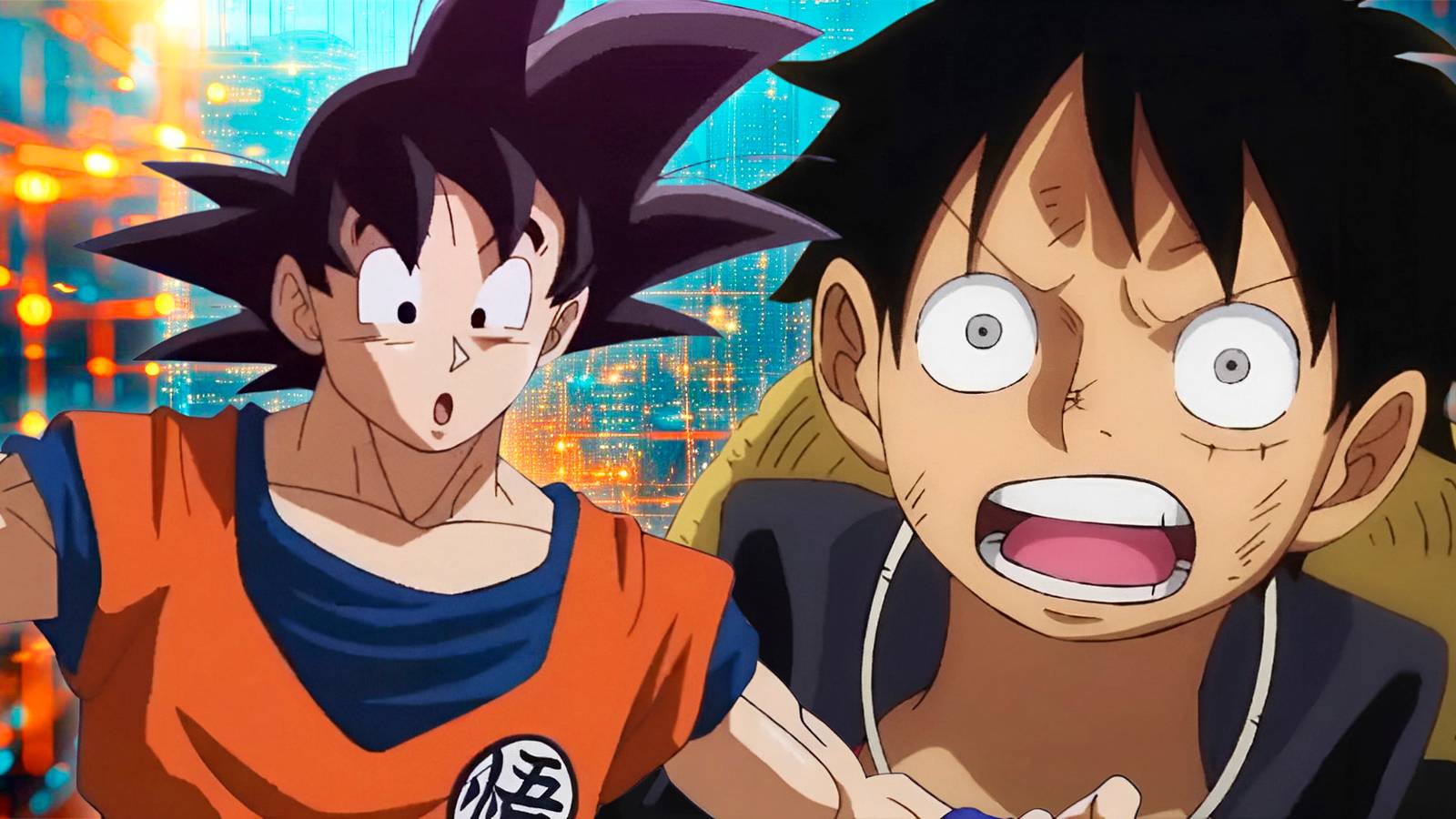
As a series that largely relies on satirical and parodying humor, much of the cast is self-aware and constantly breaks the fourth wall, addressing audiences, production staff, or even the series creator. Quite often, Gintama will openly reference other popular anime such as Dragon Ball or One Piece, real-world trends, and, at times, its own production limitations.
In short, from Gintama’s premise to its execution, the series stands out for its ability to surprise audiences with absurd, comical twists and commentary, turning the franchise into something that feels unpredictably fresh.
Viewers Are Never Prepared When Gintama Gets Serious

After spending much of its earliest episodes dismantling genre conventions and shaking viewer expectations, Gintama eventually reveals a new side of its story. While the series tends not to escalate stakes in the same way other hit shōnen series do, it does drastically alter in tone in key arcs.
After watching the series, many fans will find that many longstanding jokes will suddenly gain new context, reframing behaviors as something far deeper than a simple punchline.
This mainly comes from shifts that center on characters through their personal histories or unresolved relationships. When Gintama steps away from its lighthearted atmosphere into more serious storytelling, it doesn’t shy away from heavy themes of sacrifice, war, or loss, allowing the sharp turn to hit audiences when they least expect it.
After watching the series, many fans will find that many longstanding jokes will suddenly gain new context, reframing behaviors as something far deeper than a simple punchline. As the series progresses, these dramatic turns steadily become more frequent, evoking strong reactions from audiences and leaving a lasting impact.
Gintama Uses Comedy To Lower Your Guard

As a series that begins lighthearted, comedic, and absurd, Gintama encourages audiences to let down their guard and simply enjoy the story for what it is. With extended stretches of low-stakes humor, many audiences, when first watching the series, develop a sense of familiarity and routine from the storyline, with many assuming the atmosphere will remain rather upbeat.
With its early episodes normalizing chaos and undercutting tension before it becomes too heavy, the series creates a sense of narrative safety. Many conflicts are laughed off, emotional beats are deflected, and even the most dramatic setups become defused through comedy. After dozens of episodes, many viewers begin to expect it to be a recurring, predictable pattern.
Due to this expectation, when the series becomes serious and explores deeper themes, many fans are not ready for what the story offers. The unexpectedness of Gintama’s heavier arcs and character stories hit harder because it goes against everything that fans thought they knew about the series.
Gintama’s balance of humor and moments of unexpected seriousness has helped make the series an anime staple. By building trust with audiences prior to sharing the story’s deeper, hidden themes, it allows a stronger sense of resonance with countless viewers around the world, making it a memorable and meaningful shonen series that fans can’t afford to overlook.

- Release Date
-
2006 – 2021-00-00
- Network
-
TV Tokyo, TV Osaka, TV Aichi, TVh, TVQ, TSC
- Directors
-
Yasuhiro Minami, Kazuo Miyake, Shuji Miyahara, Naoki Hishikawa, Ai Yoshimura, Shinya Watada, Matsuo Asami, Shouji Ikeno, Seiki Takuno, Taro Kubo, Tomoaki Koshida, Hikaru Yamaguchi, Hitoyuki Matsui, Hiroyuki Hata, Ko Matsuo, Mamoru Enomoto, Yohei Shindo, Tatsufumi Itoh, Jet Inoue, Makoto Moriwaki, Tatsuma Minamikawa, Hirokazu Yamada, Shigeki Takagi, Shinobu Sasaki
- Writers
-
Shu Matsubara, Taku Kishimoto, Masaki Tachihara, Deko Akao
-

Tomokazu Sugita
Gintoki Sakata (voice)
-
Rie Kugimiya
Kagura (voice)