

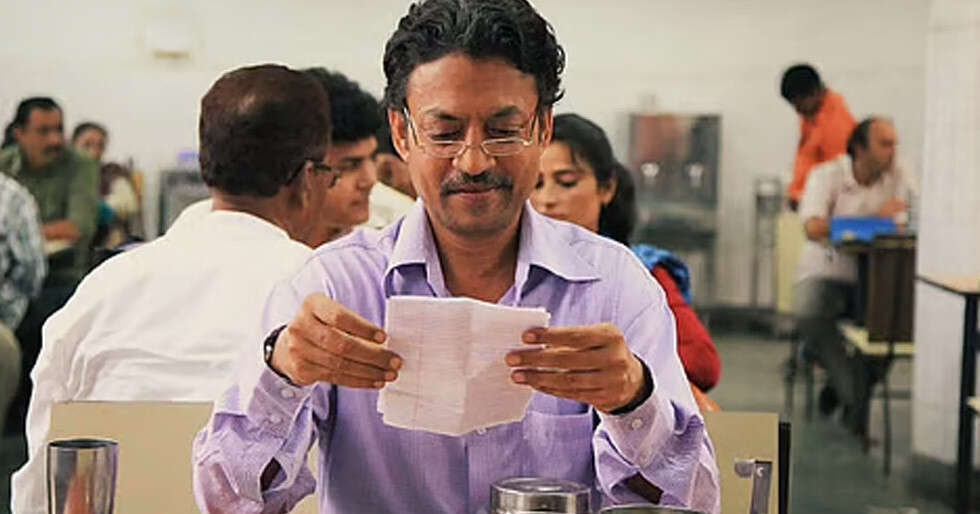
A uncommon mistake by the environment friendly dabbawallas in Mumbai turns into a catalyst for a platonic love story between a widower and a girl struggling in her neglectful marriage in Ritesh Batra’s 2013 epistolary romance The Lunchbox. The story encapsulates two solitary people discovering solace by means of handwritten letters and homecooked meals. The themes of solitude, hope, connection and destiny gently float all through the film making it a masterclass exploration of affection, longing and loneliness.
There’s an age outdated saying in India: the way in which to a person’s coronary heart is thru his abdomen. The notion refers to the truth that a girl should cook dinner up delicacies to please a person. Which is why the one area that Ila (Nimrat Kaur) acquires within the film is her small kitchen. Ila, trapped in an emotionally barren marriage, makes an attempt to rekindle the spark by cooking scrumptious meals within the hope of some consideration from her negligent husband; nevertheless, the efforts are in useless as a result of he’s clearly engaged in an extramarital affair.
However as destiny has its means, the rigorously ready tiffin lands on the desk of Saajan Fernandes (Irrfan Khan) as a substitute of her husband. Thus, begins the story of two people craving for connection. Daily, Ila sends throughout meals ready with love and care together with a letter and day by day she receives a relished tiffin accompanied by a notice that begins with “Pricey Ila…”
Meals on this case is not only a metaphor for connection; it turns into the very medium by means of which two very drained and hopeless people discover that means and motive. The tiffin turns into the vessel carrying affection and therapeutic. It additionally carries a number of the most poignant classes the film hopes to ship.
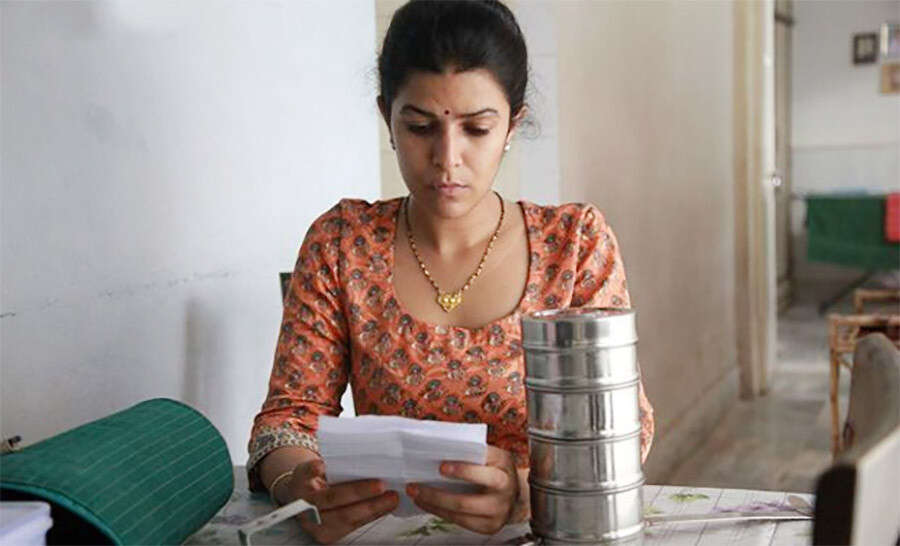
In one of many letters, Saajan writes, “Pricey Ila, life may be very busy today. There are too many individuals, and everybody desires what the opposite has”. The road is a delicate critique of city life the place regardless of being nearer to at least one one other in bodily proximity, individuals stay emotionally indifferent.
Batra explores loneliness in a number of layers. The best of them being the on a regular basis practice commute that permits for resonation from many middle-class Mumbaikars who share the identical journey day by day. The uncooked clatter of the practice tracks, cramped area between commuters, drained palms barely clinging onto the handles and fixed chants of distributors calling out their wares in background presents a really acquainted situation of an bizarre and mundane routine.
In one of many profound scenes, Saajan shares an perception from a painter’s work he paused and noticed on his means dwelling. From a distance the work seem equivalent, but there may be some minute distinction when given a better look. “A unique man right here, a distinct man daydreaming on the bus there…” he provides. The second turns into a metaphor for his bond with Ila. Although on the floor they’re each misplaced people, eager for love, but when understood carefully, they each have a person story to inform. It additionally highlights the concept of phenomenological seeing – whereby statement and understanding of human expertise strikes past superficial look. Simply as with artwork, human understanding additionally requires observing, feeling, lingering than simply seeing.
The movie’s most shifting insights comes with the identical letter when Saajan writes, “I feel we overlook issues if there may be no one to inform them”, forsaking a deep realization of how reminiscences can fade into nothingness when you do not have anybody to share them with. The movie suggests, with out connection, reminiscence turns into fragile.
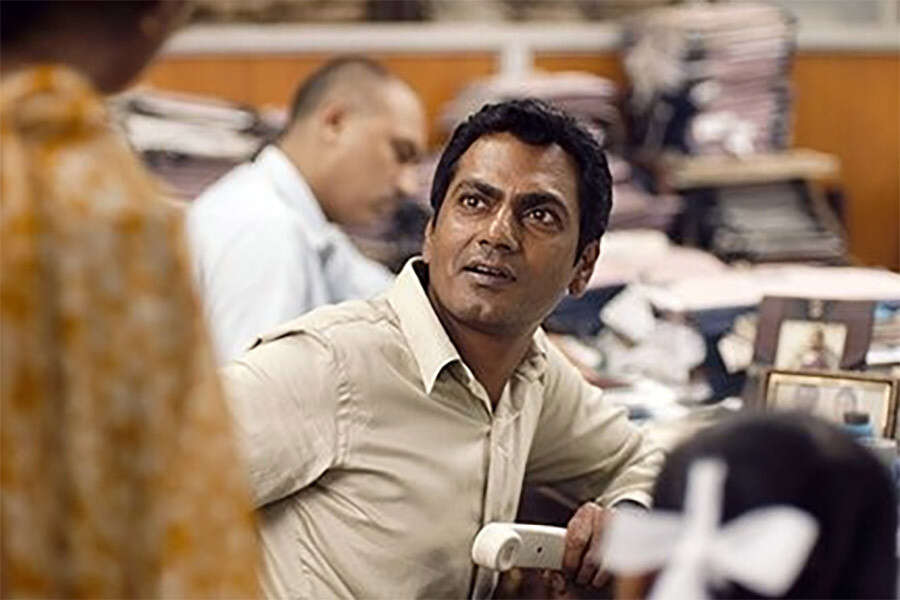
The movie additionally brings in philosophical realizations in a really light-hearted tone, most notably by means of Nawazuddin Siddiqui’s beautiful portrayal of Shaikh. For example, within the practice commute with Saajan, he says, “Meri Ammi humesha kaha karti thi…kabhi kabhi galat practice bhi sahi jagah pahuncha deti hai”. The road would not require a lot clarification and fortunately Batra would not give one, as a result of its magnificence lies in the way in which it takes you aback and forces you to suppose that generally errors can usually result in life’s most cherished locations. {That a} misplaced lunchbox may result in a soulful encounter that makes life really feel price residing.
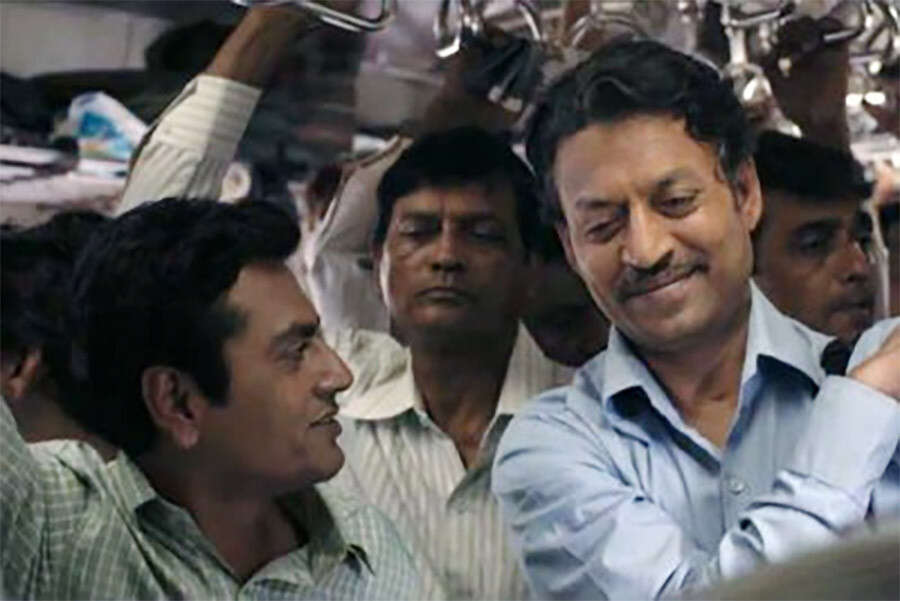
When Saajan questions, “Tum bole tum toh anaath ho? Shaikh mischievously replies saying “Meri ammi humesha kehti hain, ye bolne mai wajan aata hai sir, acha lagta hai”. Such a strong considered destiny’s quiet workings is concluded gently with Shaikh’s humour. This scene additionally embodies your entire tone of the movie. It’s gentle sufficient to make you smile but additionally heavy sufficient to hold emotional truths.
The open ending of the film has been a much-debated subject. Does Ila lastly go away her husband? Does Saajan take a distinct flip? Do they each reunite in Bhutan the place “everyone seems to be joyful”. Batra gives no closure and maybe that’s the place the movie’s brilliance lies. By permitting area for introspection and never falling into the traditional joyful ending trope, the movie roots itself firmly in realism, making it one of many most interesting tales of affection, loneliness and longing up to now.
Additionally Learn; Exclusive: “An Actor’s Truth Is So Personal…” – Nawazuddin Siddiqui On What Defines Real Performance
