

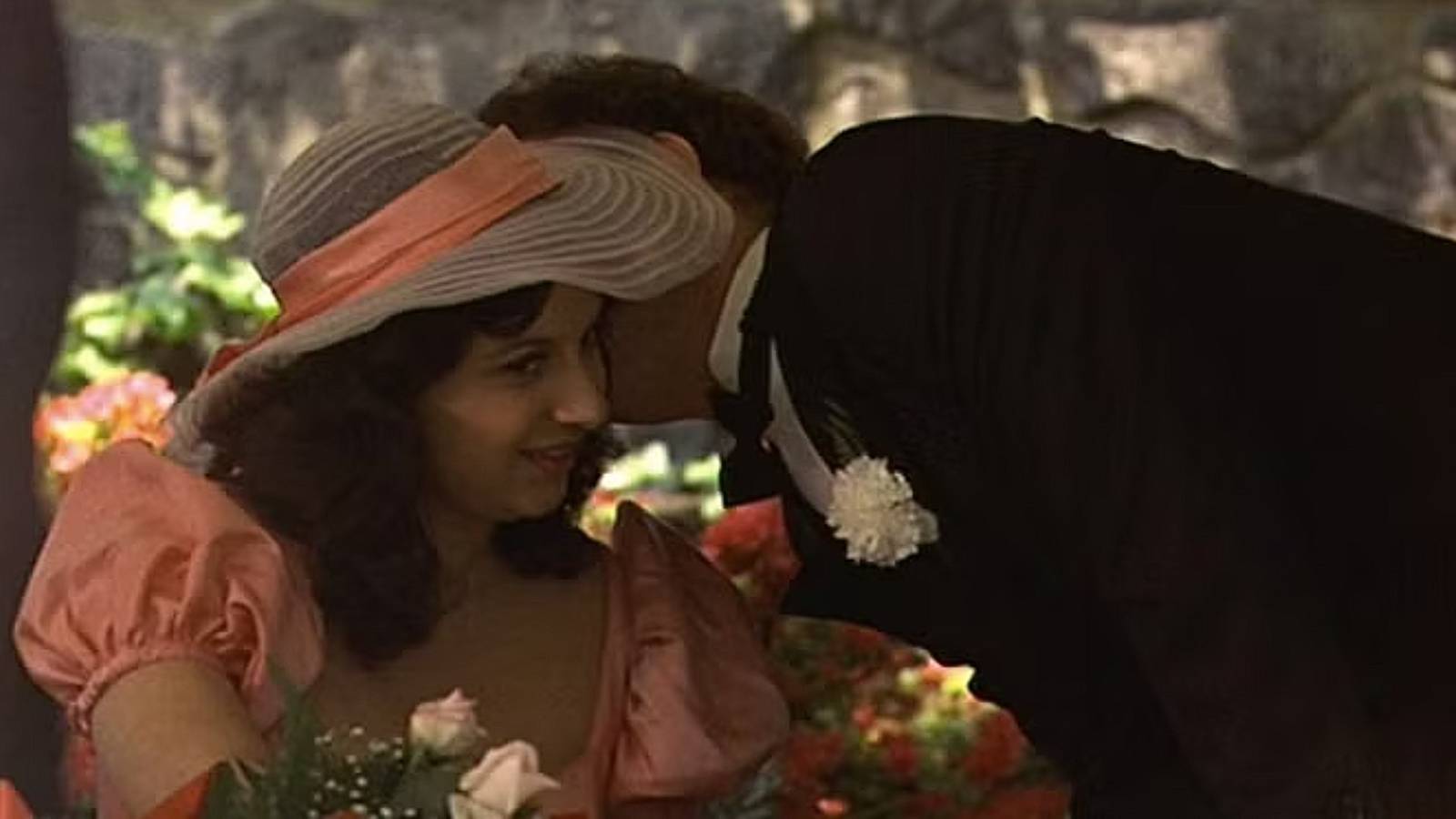
The greatest book-to-film adaptation of all time, and the greatest banned book adaptation ever? They’re one and the same: The Godfather. 54 years after its release, Francis Ford Coppola’s film is revered as high art, cinema at its finest. Which is amazing, because at the time of its production, The Godfather was expected to be a B-picture, and a flop. And the 1969 Mario Puzo novel it was based on was accused of being something else entirely: smut.
Yes, Puzo’s novel was a bestseller, but it also provoked backlash from critics who responded negatively to The Godfather’s graphic violence and sexual content. Like any popular book seen as “glorifying” or reveling in taboo topics, The Godfather faced challenges around the country from people who wanted to bar it from library shelves, ban it from book stores, and keep it out of the hands of impressionable readers.
The success of The Godfather film in 1972 was a watershed moment for cinema, and it led to a critical reappraisal of its source material. Today, just as the film is considered peak cinema, Puzo’s Godfather is recognized as a great work of literature, but with a caveat: it is a “pulp masterpiece.”
Mario Puzo’s “The Godfather’ Was A Bestseller & Faced Bans Before It Became A Cinematic Masterpiece
The Pulp Virtues Of Mario Puzo’s 1969 Novel
The funny thing about The Godfather’s creation, which Paramount’s fictionalized making-of series The Offer failed to fully articulate, is that Mario Puzo was a struggling novelist who inadvertently produced his greatest work only when he committed to writing a sensational cash grab. With The Godfather, Puzo 86’d his literary pretensions and set out to write sellable gangster schlock. And the result turned out to be one of the most monumental American sagas of all time.
The Godfather, the novel, is pulpy and excessive. The gravitas of Coppola’s film version is there on the page, sometimes, but Puzo’s book is also melodramatic, and at times can border on campy. One of Coppola’s shrewdest creative moves with The Godfather was tightening the focus on the immediate Corleone family, in particular Vito and Michael, whereas the book’s sprawl extends to more secondary and tertiary characters in their orbit.

That includes the controversial character Lucy Mancini, seen briefly at the beginning of the film as the bridesmaid Sonny Corleone has sex with at his sister’s wedding. Lucy and her sexual exploits remain a recurring character throughout Puzo’s Godfather, in the book’s most graphic plot thread. The one that is most shocking to contemporary readers when they check out the book today, and which caused the most stir in 1969.
Mario Puzo Knew Exactly What He Was Doing By Filling “The Godfather” With Sex & Violence
Puzo Helped Invent The Modern Pageturner
Francis Ford Coppola’s Godfather film retained much of the novel’s violence, while downplaying all but a few brief nods at the lurid sexual content that saturates Mario Puzo’s book. And that was fine with Puzo, who worked on the screenplay in collaboration with Coppola. Everything about the novel was about keeping readers hooked. The Godfather was the definition of a pageturner.
Controversy was a feature of the novel, not a bug. Puzo knew the same things that eventually kept The Godfather on the bestseller list for over a year straight would also garner his novel harsh criticism. What’s worth pondering, even for a moment, is what the literary reputation of Puzo’s novel would be in the absence of its transformative movie adaptation.
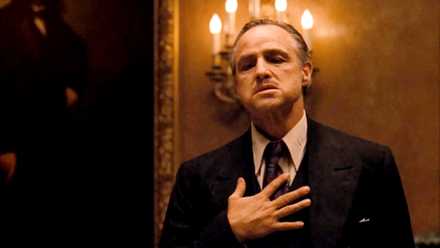
53 Years Later, The Godfather Is Just Sitting On the Ultimate Reboot
Remaking the Godfather sounds like a bad idea, but one way of doing it presents an offer that the franchise can’t refuse if it wants to stay relevant.
That is, The Godfather the movie, and its 1974 sequel, made the franchise culturally ubiquitous. But curiously, it also overshadowed the book, which is now, for most people, just a footnote to the films. If the adaptation had never been made, or been just “okay,” would Puzo’s novel have been banned more frequently over the years? Would it have been taught in schools? Or become a relic of literary history? Those are pop culture “What ifs” for fans of The Godfather to ponder next time they watch the movie, or read the book.
What do you think, readers? Did The Godfather, the movie, keep The Godfather the book from being more widely banned?

- Release Date
-
March 24, 1972
- Runtime
-
175 minutes
