

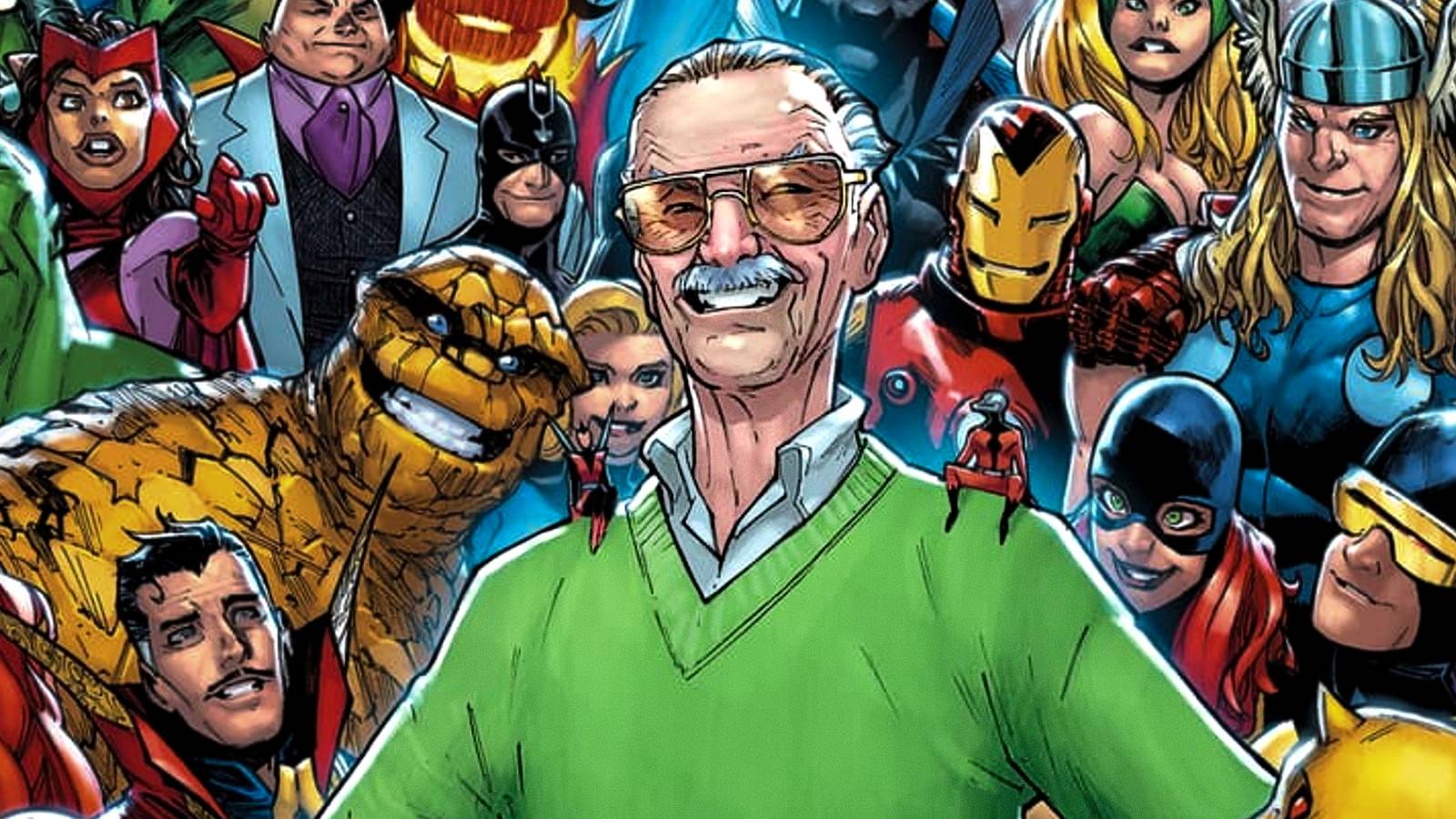
Nearly 60 years after it appeared in print, one Stan Lee quote still stands out as perhaps his most profound insight into comic books’ role in pop culture. Surprisingly, though, it wasn’t printed in the pages of a Marvel comic.
Instead, it came in a 1970 magazine interview. It was a time when Lee’s role behind-the-scenes at Marvel was changing. It was also just as the publisher was poised to be recognized as a juggernaut in American entertainment with its ’70s TV adaptations, peaking with The Incredible Hulk in ’78.
Speaking with IT Magazine, Stan Lee explained why he believed “the human race needs superheroes,” and how comic books can offer something the real world lacks.
Nearly sixty years later, comic book culture has gone fully mainstream, and Stan Lee’s creations like the X-Men, the Avengers, and of course, Spider-Man, are more popular than ever. And, somehow, Lee’s 1970 explanation for Marvel’s success is even more resonant today.
Stan Lee’s Unmatched Take On Why “The World Needs Superheroes”
Like all the medium’s greatest creators, Stan Lee believed in the limitless potential comic books. (Even if he did toy with the idea of rebranding them as something other than “comics” as a Marvel executive in the 1970s.) And as one would expect from the prime mover of the modern Marvel Universe, Lee thought that the superhero genre was especially powerful, compared to other genres like Westerns, or detective stories, or horror.
What’s the difference? Well, it’s in the name. One of the many ways Stan Lee was ahead of his time was that, in the mid-20th century, he realized that traditional heroes weren’t going to cut it anymore. While future generations at Marvel would take this as a cue to embrace the anti-hero, or at least the tragically flawed hero, Lee’s mind went in the other direction. He returned to the superheroes popular in the 1940s; characters who were more than human, with more capacity for heroism.
The move made Lee an icon in the 1960s. Just a few years removed from his success, in 1970, he told IT Magazine what he thought was behind the surge of renewed interest in superheroes:
“I think the human race needs superheroes, and if we don’t have real ones, we’re almost forced to create them. Because I think we’re all aware, consciously or unconsciously, that the problems that face us are just too big and too grave for us to solve ourselves.”
In other words, in the 1960s and ’70s, modernity was already starting to make life inexorably more complex. That includes a phenomenon that modern readers are all-too-familiar with: feeling hopeless in the face of the “big,” “grave,” complex problems of the world. For Stan Lee, this made the superhero genre the arch-escapist fantasy of 20th century entertainment.
Stan Lee’s Visionary Take On Superheroes In The 1960s Shaped Pop Culture In 2026

Stan Lee was a quote machine. He put iconic words in the mouths of all his greatest Marvel creations, and his work is also marked by a strong, distinct narratorial voice. Further, Lee became famous for his “Stan’s Soapbox” editorial columns, which were ubiquitous in the backs of Marvel Comics issues from 1967 to 1980. And Lee’s countless interviews from throughout his career are a trove of insights into his creative process and his tenure at Marvel.
87 Years Later, Marvel’s First Superhero Remains The Company’s Best Hero Not Created By Stan Lee
Stan Lee is recognized as the creator of the modern Marvel Universe & its best heroes, but the first-ever Marvel hero is one he wished he’d invented.
Especially during the pinnacle of superheroes’ place in popular culture. Over the past two decades, the foundation Stan Lee laid at Marvel in the 1960s has become one of the most dominant forces in entertainment. (Marvel is nicknamed the “House of Ideas,” but it’s also sometimes called the “House That Stan Built.) That all traces back to Lee’s understanding of superheroes as the peak of escapist fiction.

Lee was right. The world needs superheroes. Now, more than ever. That was the fundamental truth Stan Lee realized in the midst of the 20th century. In too many ways to count, people today are still reckoning with the ’60s, and the role of more than just Marvel Comics, but superheroes in general, is one of them.
What do you think of Stan Lee’s quote about the world needing superheroes, readers?
- Movie(s)
-
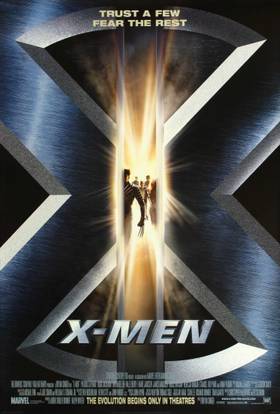
X-Men (2000), X2, X-Men: The Last Stand (2006), X-Men Origins: Wolverine (2009), X-Men: First Class (2011), The Wolverine (2013), X-Men: Days of Future Past (2014), Deadpool (2016), X-Men: Apocalypse (2016), Logan (2017), Deadpool 2 (2018), Dark Phoenix (2019), The New Mutants, Deadpool & Wolverine (2024)
- TV Show(s)
-
X-Men: Pryde of the X-Men, X-Men (1992), X-Men: Evolution (2000), Wolverine and the X-Men (2008), Marvel Anime: Wolverine, Marvel Anime: X-Men, Legion (2017), The Gifted (2017), X-Men ’97 (2024)
- Video Game(s)
-
X-Men: Children of the Atom (1994), Marvel Super Heroes (1995), X-Men vs. Street Fighter (1996), Marvel Super Heroes vs. Street Fighter (1997), Marvel vs. Capcom (1998), X-Men: Mutant Academy (2000), Marvel vs. Capcom 2: New Age of Heroes (2000), X-Men: Mutant Academy 2 (2001), X-Men: Next Dimension (2002), Marvel vs. Capcom 3: Fate of Two Worlds (2011), Ultimate Marvel vs. Capcom 3 (2011), X-Men Legends (2005), X-Men Legends 2: Rise of Apocalypse (2005), X2: Wolverine’s Revenge (2003), X-Men (1993), X-Men 2: Clone Wars (1995), X-Men: Mutant Apocalypse (1994)
- First Film
-
X-Men (2000)
- Character(s)
-
Professor X, Cyclops, Iceman, Beast, Angel, Phoenix, Wolverine, Gambit, Rogue, Storm, Jubilee, Morph, Nightcrawler, Havok, Banshee, Colossus, Magneto, Psylocke, Juggernaut, Cable, X-23
- Comic Release Date
-
213035,212968
