

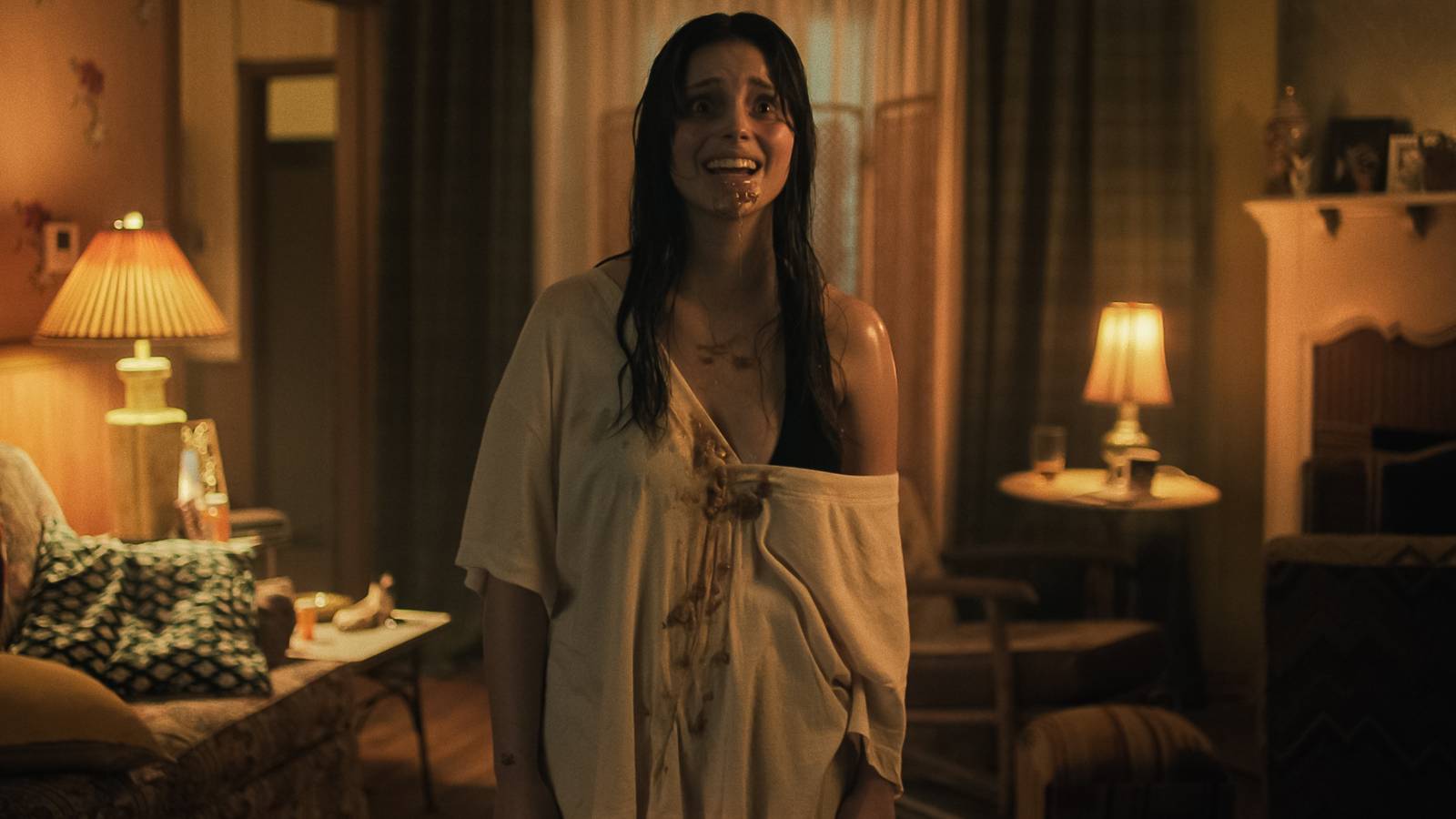
The back-to-back box office success of Obsession and Backrooms seems to have marked a tide change in the film industry that could be on par with the arrival of Bonnie and Clyde and The Graduate in 1967. Back then, audiences started rejecting the old Hollywood traditions of lavish musicals and formulaic westerns, and embracing the darker, edgier, weirder stuff that directors like Martin Scorsese and Peter Bogdanovich were doing. This led to the New Hollywood movement, where the Movie Brats stormed the castle and reshaped American cinema, and now, as superhero sequels are losing their draw, the double whammy of Obsession and Backrooms — two low-budget horror movies directed by YouTube creators in their 20s, breaking records left and right — could lead to the establishment of a New New Hollywood.
But Hollywood’s gonna Hollywood, and even before Obsession and Backrooms are quite done breaking all the records they’re going to break and reaching the fans they’re going to reach, the industry has already taken the wrong lessons from this phenomenon. The message here is much bigger than just “people like YouTube horror,” but that seems to be the lesson they’ve learned.
The biggest names in Hollywood have started snapping up YouTube-based horror projects: Steven Spielberg is doing The Mandela Catalogue; Zach Cregger and Brian Duffield are doing Siren Head; there was even talk of Michael Bay doing a Skibidi Toilet movie. Kevin Cate has scored a six-figure development deal to turn his viral sci-fi short Open Door into a feature film.
But Backrooms wasn’t just a viral sensation; it was a fresh, new, original vision from a fresh, new, original creator. The Backrooms might have started out as a creepypasta, but Kane Parsons (who, the internet may have told you, is 20 years old) turned it into something much more interesting and profound. These other creepypasta movies are much more likely to turn out like the dreadful Slender Man movie than the record-smashing Backrooms movie. Instead of recognizing that audiences are gravitating towards bold, original storytelling, Hollywood is just trying to recreate a very specific phenomenon that can’t be recreated.
Hollywood Is Trying To Replicate Something That Can’t Be Replicated
With these post-Obsession, post-Backrooms YouTube acquisitions, Hollywood is trying to replicate something that can’t be replicated. There’s nothing movie studios love more than a repeatable formula. A couple of decades ago, studios just focused on making one great movie at a time, and attracting a brand-new audience every single time, but now, they just want reliable products they can churn out like a factory: trimonthly entries in the Marvel Cinematic Universe, live-action remakes of classic Disney animated movies, etc.
By trying to directly replicate the success of Obsession and Backrooms, Hollywood is setting itself up for failure — and it wouldn’t be the first time. The same thing happened with counterprogramming after Barbenheimer (“Saw Patrol,” “Dunesday”), vampires after Twilight (Daybreakers, Cirque Du Freak, Vampires Suck), dystopian Y.A. books after The Hunger Games (Divergent, The Maze Runner, more Hunger Games), superheroes and cinematic universes after the MCU took off (remember when they tried to do a Valiant Comics cinematic universe?).
Hollywood executives are so out of touch with real people, and so used to viewing everything through the lens of numbers and percentages and market research, that they can’t see the nuance in these trends; they can’t see what audiences are really responding to (beyond the superficial). Whenever something hits, Hollywood just does that exact same thing over and over again for the next few years, with diminishing returns, until the money finally dries up and they stumble into a new trend.
But there’s a much, much larger lesson to be learned from the successes of Parsons and Curry Barker and Markiplier. It’s not just that audiences want to see their favorite viral YouTube videos at the cinema; it’s that it’s time for a new generation of young filmmakers to step in and speak to a new generation of young filmgoers, and YouTube is the platform where that young filmmaking talent is posting their stuff.
