
Close Menu
The Industry Highlighter MagazineThe Industry Highlighter Magazine
    Trending
    • 30 Years Ago, Star Trek’s Coolest Uniforms Brought The Franchise Together
    • Louisiana Road Trip Adventure: Exploring the Deep South, USA
    • Chris Brown Blocks Rihanna Assault From Being Mentioned in $90 Million Dog Bite Trial
    • Open Mike Eagle and Kenny Segal Team for New Album Doomed!
    • Editor’s Take: Chapal Rani and The Loneliness of Bengal’s Last Queen
    • Xbox Game Pass Makes Iconic 140-Hour JRPG Free To Download
    • Red White and Blue Cheesecake Salad
    • Cycling Barcelona Without a Map
    The Industry Highlighter Magazine
    • Home
    • Travel/Adventure
    • Entertainment
    • Fashion
    • Film/Tv
    • Food
    • Money Business
    • Music
    The Industry Highlighter Magazine
    You are at:Home»Celebrities»Editor’s Take: Chapal Rani and The Loneliness of Bengal’s Last Queen
    Celebrities

    Editor’s Take: Chapal Rani and The Loneliness of Bengal’s Last Queen

    Team_The Industry Highlighter Magazine By Team_The Industry Highlighter MagazineJune 10, 2026No Comments5 Mins Read
    Facebook Twitter Pinterest LinkedIn Tumblr Email
    Share
    Facebook Copy Link LinkedIn Email Threads


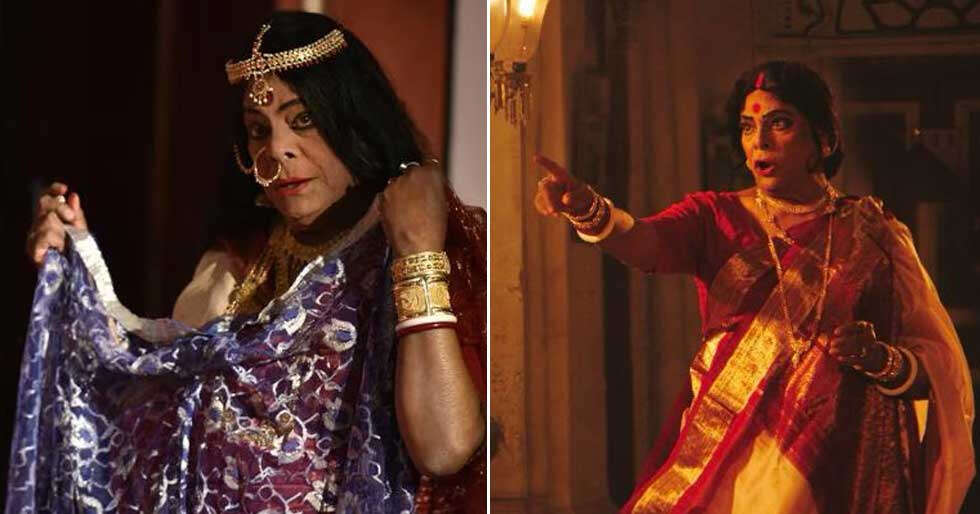
    Chapal Rani: The Last Queen of Bengal by Sandip Roy chronicles the life of legendary jatra artiste Chapal Bhaduri, who rose to fame playing female characters on stage and became one of Bengal’s most celebrated performers. The book explores his journey through fame, love, loss and changing times, while offering a deeply personal look at a life lived both in the spotlight and on the margins.
    Filmfare’s Editor-in-Chief Jitesh Pillai writes about the biography and the remarkable man at its centre.

    The story of a queen without a throne—a queen who held her own despite dereliction, abandonment, and betrayal. Anyone who has seen Kaushik Ganguly’s Arekti Premer Golpo, a fairly sensitive and gripping film on the life and times of female impersonator Chapal Rani, will know what I’m talking about.


    But that is where the rub lies, and that is where the similarities end. Sandip Roy’s book, Chapal Rani: The Last Queen of Bengal, deviates a lot from the film. The movie was a somewhat whitewashed truth of the female impersonator and more about Rituparno Ghosh, the director, and his attempt to prove his gender alliances. Roy’s book is a sensitive exploration of a young boy, Chapal Bhaduri, son of a famous stage actor and nephew of the illustrious Sisir Kumar Bhaduri, who at the age of 16 took to the jatra like waves to the seashore. He started with bit female roles as Morjina and went on to rule the world of jatra as a queen.
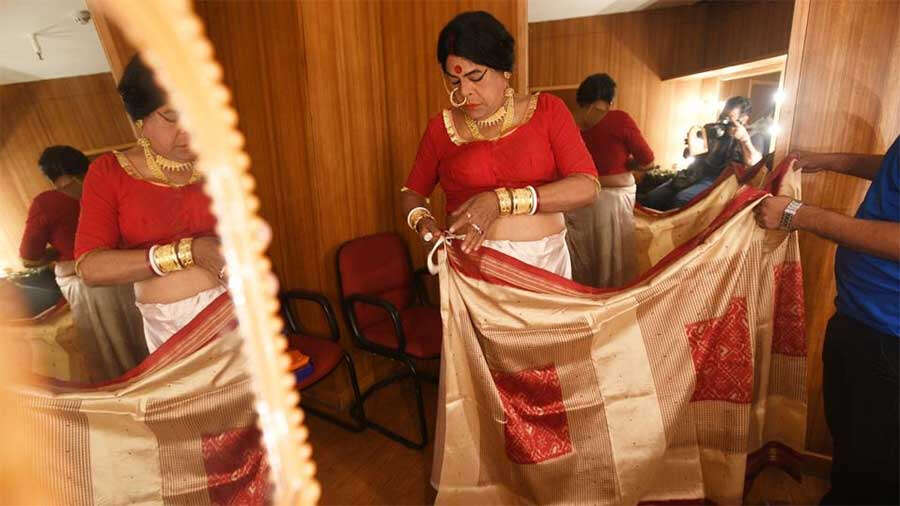
    The somewhat unwieldy but unputdownable book is fascinating and well-researched. It starts with Chapal’s childhood and his forever probing and questioning nature. His thin voice and effeminate being may have brought his life into focus early within the family, but it was all glossed over for a job in the railways and small parts as a female impersonator.
    It’s a brutally honest book. Chapal recounts his photographic memories, his tryst with makeup, stuffing falsies, and getting hurt by the strings that made up his petticoat. It’s all highly evocative. Roy shines a light on his sexuality through the voice of Chapal, who shares that he had a clandestine affair with a male lover for 34 years, starting at the age of 18.

    He went on to serve his lover and his lover’s wife even as a maid and a midwife, at the cost of his own self-respect. The affair ended abruptly with the arrival of a new mistress.

    Editor's take

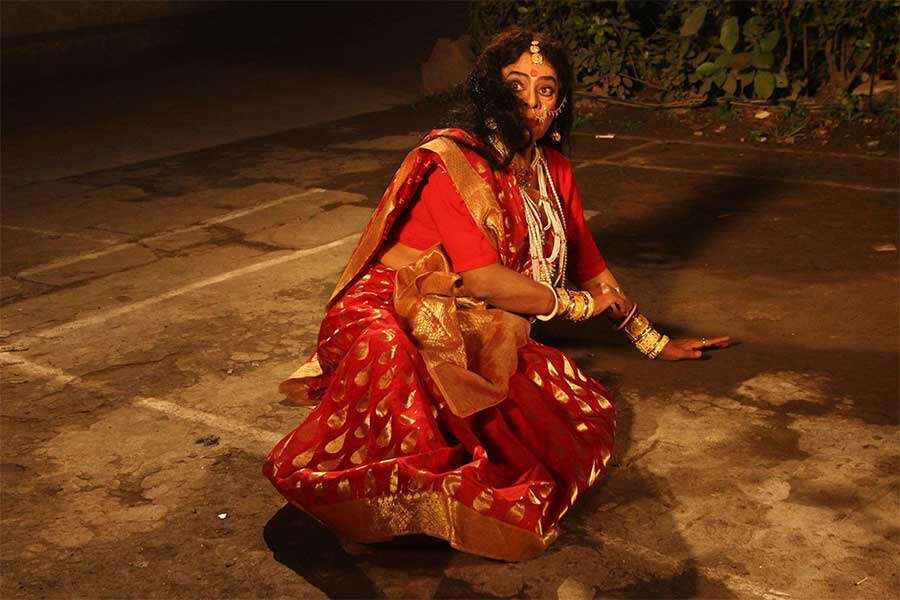
    Chapal, in between his lifelong servility and devotion to his lover “X”, ruled the stage with his hauteur and perhaps vanity. It was the beginning of the 1970s when women started joining the jatras, and men playing women began to be phased out. The best parts of the book are those where Bhaduri recalls playing female parts like Purnima and other feisty ladies with aplomb. With his career steeped in art and the folk form of jatra, Bhaduri is candid enough to admit that perhaps fame did go to his head, and he hadn’t prepared himself for his eventual and hasty curtain call.

    He was then reduced to playing bit roles and even doing menial jobs. In his later years, he was reduced to playing the goddess Sitala, which won him encomiums but very little money. Bhaduri, while talking about his favourite dishes and their recipes, also briefly hints at his cannabis usage and how he steered clear of alcohol, possibly owing to childhood trauma dealing with an alcoholic father. The portions with his mother are tender and very moving.

    Editor's take
    Bhaduri doesn’t use fancy pronouns or LGBTQIA+ terms to describe himself or his adventures. While he suffered bullying and catcalling, he simply states he was a man who dressed up as a woman and felt like one while performing, and then happily slipped into wearing pyjama-kurtas in real life. There were no drag acts for him off-screen. The interludes in the book are irresistible, especially the one where a drag queen in Canada is both fascinated and disappointed by Chapal because he is unaffected, dismisses queer terms and lifestyles, and is unwilling to acknowledge the strident militancy of the gay subculture.

    My only criticism is that Bhaduri perhaps didn’t entirely embrace his homosexuality and has been almost “antiseptic” in describing his personal life, perhaps in deference to those living, or perhaps just shy of telling it like it is. I missed the candour that he describes in everything else, which feels missing in his personal and romantic shenanigans.

    The disappointment over Rituparno Ghosh hijacking his role and character in Arekti Premer Golpo and making it his own is very evident, though he does give a clean chit to director Kaushik Ganguly. Ganguly reworked his TV film Ushnotar Jonno to make Arekti Premer Golpo; perhaps Ganguly, a fledgling filmmaker at the time, couldn’t stand up to the tantrums and diva behaviour of a colossus like Ghosh. But Bhaduri is unsparing in his disappointment and criticism.

    In the evening of his life, Chapal, who was once the queen of everything he surveyed, now spends his time in an old age home not too far from the streets he grew up in. His nieces bring him home-cooked food and look after him while he deals with age-related ailments.

    Sandip Roy’s biography is not an easy read given our kindergarten attention spans and brain rot in the age of Instagram and algorithms. But it’s an intensely rewarding book. It makes you unbearably sad and yet makes you admire the fortitude of a jatra artiste whom history will hopefully remember more kindly than his own world did.


    Also Read: Grace, Guts, Glory: Celebrating Dimple Kapadia | Editor’s Take


    Source link

    Share. Facebook Twitter Pinterest LinkedIn Tumblr Email
    Team_The Industry Highlighter Magazine
    • Website

    Related Posts

    Raakh Trailer: Ali Fazal and Sonali Bendre Lead a Gripping Investigative Thriller Set in The ’70s

    June 10, 2026

    Exclusive: Vijay Varma Wraps Family Business Shoot After Filming Face-off With Anil Kapoor

    June 10, 2026

    Salman Khan Attends Close Friend Kumud Rane’s Funeral With Salma & Sohail Khan

    June 10, 2026
    Leave A Reply Cancel Reply

    Categories
    • Celebrities
    • COCO'S GOSPEL
    • Entertainment
    • Fashion
    • Film/Tv
    • FILM/TV
    • Food
    • Health and Wellness
    • Money Business
    • Music
    • NEW RELEASES
    • RALEIGH/DURHAM NEWS
    • Travel/Adventure
    • Uncategorized
    • WORLD NEWS
    Copyright © 2024 Industryhighlighter.com All Rights Reserved.
    • Privacy Policy
    • Disclaimer
    • Terms and Conditions
    • About IHM
    • Advertise With Us!
    • Contact us

    Type above and press Enter to search. Press Esc to cancel.