

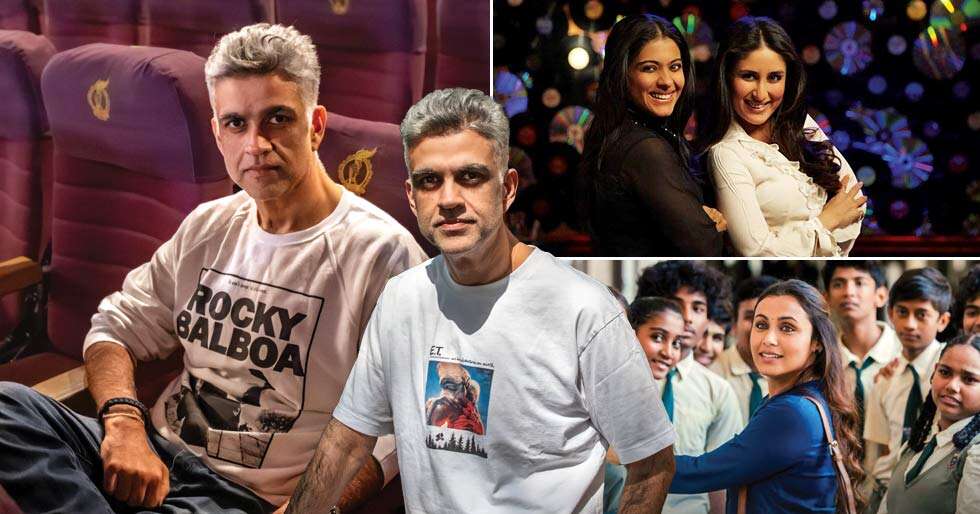
Siddharth P Malhotra has always stood firm in his convictions, choosing stories he truly believes in over safe, formulaic fare. Despite coming from a privileged film family, he has had to battle hard to get his projects made, proving that perseverance matters as much as pedigree. His films have consistently stood out for their originality, emotional depth and sincerity. Even after facing setbacks, Malhotra remains optimistic, looking ahead with resilience and an unwavering passion for storytelling. Excerpts from a heart-to-heart talk.
Why did Ikka take so long to make?
I’ve been trying to make this film for the past ten years, ever since I directed We Are Family. The film’s writer, Althea Kaushal, would often tell me, “Just let it go. Give up on this film.” From the very beginning, I had envisioned Sunny Deol for the lead role. At one point, we even considered rewriting the character as a woman, but eventually felt the story worked much better with a male protagonist. The decision to cast Akshaye Khanna came before Dhurandhar was released. In fact, I’d been trying to collaborate with him for the past four or five years. I had wanted to cast him opposite Shruti Haasan in Bestseller, but things never worked out. As we say, our stars just didn’t align.
Was it difficult to get in touch with Akshaye Khanna?
Not at all. Every time I’ve reached out to Akshaye, he’s responded promptly and clearly. Whether his answer is yes or no, he’ll tell you upfront. He doesn’t keep you waiting or leave you in limbo. That’s quite rare in this industry, where it’s often difficult even to get through to an actor’s manager, actor’s toh chhod hi do. Akshaye is one of those actors who will always acknowledge you and give you a clear response. If he wants to do the project, he’ll do it. If he doesn’t, he’ll say so, but he won’t waste your time. When the film was approved last September, Netflix and Sunny sir asked whom I had in mind for the role. I immediately said, Akshaye Khanna. So, I took the script to Akshaye. He loved it and within a week, we’d finalised his fee and signed the contract. We began shooting in November and completed the film in December.
With two stars from the 1990s sharing the screen, did you do anything special to build their on-screen rapport?
Honestly, I didn’t have to do anything. Akshaye has immense respect for Sunny sir, who is his senior. They had worked together in Border nearly 29 years ago, so there was already a sense of familiarity between them. I come from a film family and one thing I’ve always noticed is that people from the industry naturally respect their seniors. Whether it’s a junior artist or a veteran actor, that respect is ingrained in us. It’s part of our culture, especially among actors from the ‘90s generation. They’re also very different from many actors today. They don’t have entourages or hide away in vanity vans. Nor do they have large PR or management teams. They’re the kind of people who sit with the crew, share stories and interact with everyone on set.
They’re incredibly approachable and easy to work with. At the same time, they judge a filmmaker at the script stage. They want to know who you are, what kind of storyteller you are and what you’re trying to achieve. From day one, they know exactly how they want to approach their characters. They also want to understand what drives the filmmaker, whether the goal is simply to make money or create something meaningful and different.
Both Sunny and Akshaye are true director’s actors. They put complete faith in my vision and surrendered themselves to the process, often saying, “We’ll do whatever you want us to do.” Before every scene, they would sit together, read through it and discuss how they would play their parts. More than anything, I was impressed by their professionalism throughout the film.
Do you feel the pressure to deliver a film that is both critically acclaimed and commercially successful?
Making a film is a privilege in itself. Today, it’s becoming increasingly difficult to get stories made. Films are struggling to get off the ground, and many actors, technicians, and other members of the industry are sitting at home unemployed. So, if you’re fortunate enough to be given the opportunity to tell a story, you should tell it with complete conviction and passion. I’ve had the privilege of working with Aditya Chopra on Hichki and Karan Johar on We
Are Family. Until now, I had been producing films under my own production company, but with Ikka, I’m directing as well. That makes my responsibility twice as big. 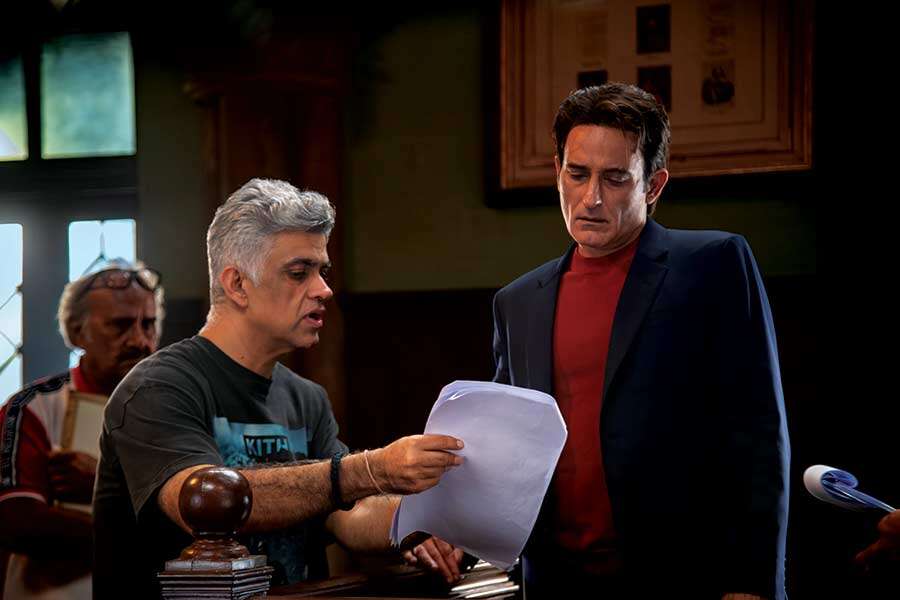
What is the biggest challenge you face as a filmmaker?
The biggest challenge, ultimately, is understanding the audience, what they want, what connects with them and how to tell a story that truly resonates. Second, it’s about keeping everyone motivated and making them feel that this isn’t just the director’s film, it’s their film too. Once that sense of ownership is there, everyone comes together with a shared purpose to make the film the best
it can be.
After We Are Family, you went through a difficult phase in your career. Looking back, how do you reflect on that period?
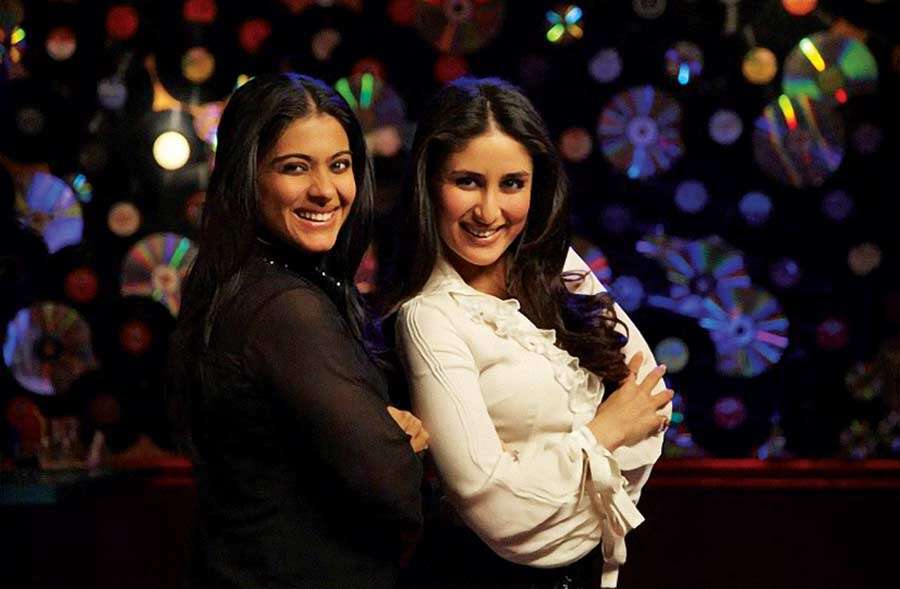
I come from a privileged background. For a long time, I believed that because my father is Prem Kishen and I’m Prem Nath’s grandson, opportunities would naturally come my way. But the truth is, privilege doesn’t really exist in this industry. Your work is what earns you your next opportunity. Your background may help you get your first project, but after that, your work has to speak for itself. You realise the truth when life holds up a mirror to you. For me, that mirror was the realisation that the privilege I thought I had came because of Karan Johar. We Are Family happened because of his backing, not because I had earned it on my own. When the film didn’t do well at the box office, accepting that truth was incredibly difficult. Ironically, Kareena even won the Filmfare Award for her performance. After that, Karan told me, “Now go and make a film that truly reflects your own voice.”
That film became Hichki. As a producer, Karan didn’t connect with the project, so he chose not to make it. But I was determined. Once you step out from under the umbrella of Dharma Productions, you discover where you really stand in the industry. Getting Hichki made was the next challenge. It took me seven years. I knocked on many doors before I finally met Aditya Chopra at YRF and that’s where the film came together. One thing I can say with complete conviction is that patience truly pays off. Hichki became more than just a film, it became a personal test. I was terrified that if it failed, my career would be over. Fortunately, it was embraced by both audiences and critics, giving me the confidence to move forward.
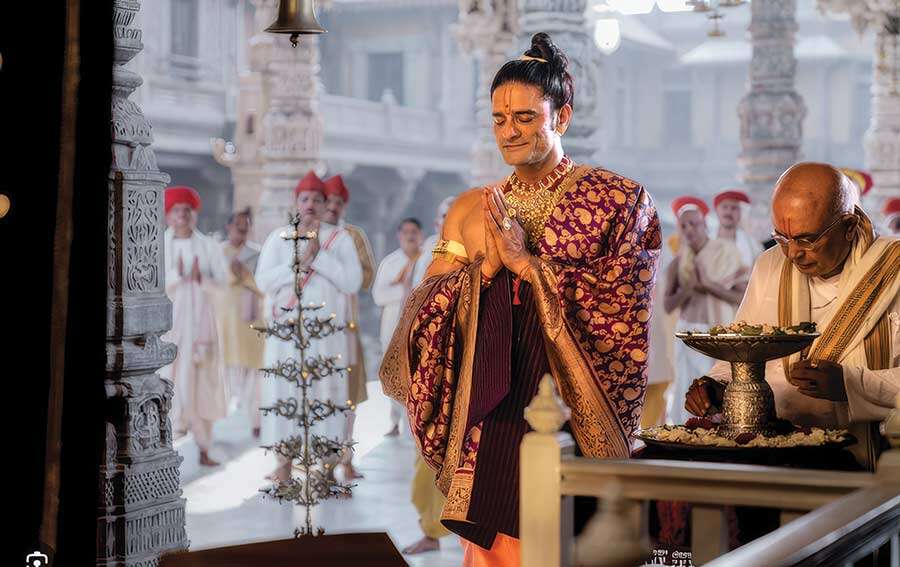
Then came Maharaj, which also found itself at the centre of controversy. How did you deal with that?
Maharaj faced a similar challenge. Initially, no one was willing to make the film. After Hichki, Aditya had seen my capabilities as a filmmaker. When I narrated Maharaj to him, he immediately said, “This film has to be made.” It was heartbreaking that the film got caught up in controversy and that several portions had to be removed by the censor board. Nearly 20 minutes were cut and they included some of the story’s most important moments. There was a climactic 20-minute scene featuring Jaideep Ahlawat that was removed entirely. I sincerely hope I get the opportunity to release it one day. It broke my heart, but at the same time, I was grateful that I at least got the chance to tell the story.
Junaid delivered a strong performance in the film. How do you see his growth as an actor?
He is extremely talented. He just needs filmmakers who can understand him and recognize his potential. He is a very good actor; he simply needs someone who can bring out the best in him. I have no doubt about his talent. More importantly, he is an even better human being. Eventually, he will find his own path and
grow in the direction that is right for him.
As a filmmaker, what kind of changes would you like to see in the industry?
If it were up to me, I would remove all the managers of actors. I’d like today’s actors to read scripts themselves, just as actors from the 1990s did, instead of relying on their managers. An actor’s primary job is to act, while a manager’s role is to manage professional commitments. Since when did deciding whether a script is good become a manager’s responsibility? Why should actors choose projects based on their managers’ convictions? Actors from the ‘90s listened to scripts themselves, made their own choices and decided what they wanted to do. The second major change I’d like to see is the cost of filmmaking. Making films has become extremely expensive. First, focus on making good films, then think about growing your personal wealth.
Tell us about the Meena Kumari biopic.
While I was making Maharaj, I received a call from Bilal Amrohi. He told me that he wanted to make a film on Meena Kumari. He had an incredible archive with him, Kamal Amrohi’s handwritten diaries, Meena Kumari’s personal diary and thousands of handwritten love letters that Kamal Amrohi had written to his wife. We had nearly 2,000–3,000 letters, which we first translated from Urdu into Hindi. After that, we brought writers Bhavani Iyer and Kausar Munir on board. We did a lot of research. At its heart, it’s an epic love story, almost like Romeo and Juliet. Kamal Amrohi, the director of Mahal, met Meena Kumari when she was just 18 on the sets of Tamasha. That’s where their journey began.
Since the story is told from Kamal Amrohi’s perspective, will it also explore Meena Kumari’s loneliness and the emotional struggles she endured?
Don’t judge the film before watching it. We haven’t whitewashed anyone. We’ve stayed true to the story as it happened. We haven’t portrayed Kamal Amrohi as a flawless or saint-like figure. Both Kamal Amrohi and Meena Kumari are deeply flawed human beings. In my films, characters are never simply black or white, they always exist in shades of grey. The script is complete and right now we’re searching for the right cast.
Also Read: Siddharth P Malhotra: Our show Doctors succeeded without any marketing hype – Exclusive
