

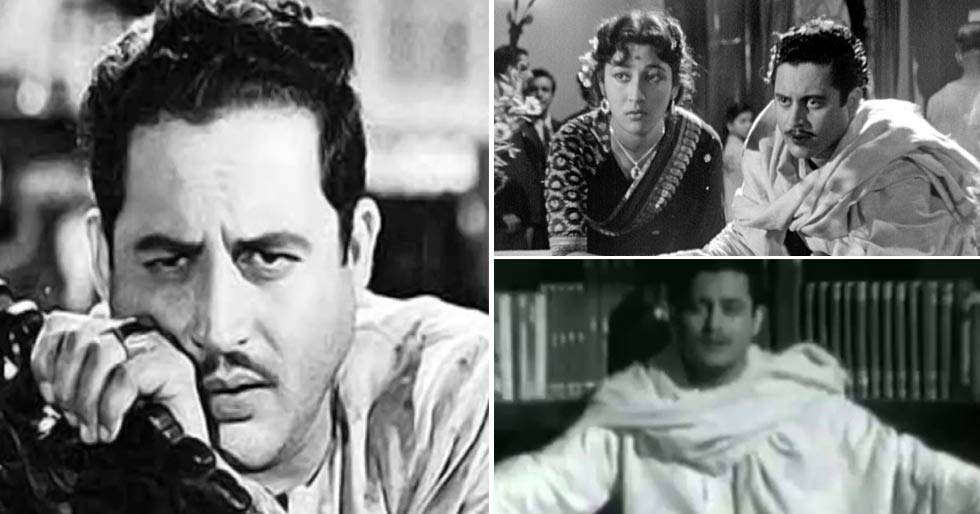
Guru Dutt’s cinema is a haunting symphony of longing, love, despair, and poetic rebellion. Every frame, every word, every glance in his films speaks of an inner music, a sorrow too deep for speech, too beautiful for silence. More than a director or actor, Dutt was a poet of the visual medium, whose best scenes unfold like verses from a melancholic ghazal. His films, especially Pyaasa, Kaagaz Ke Phool, Sahib Bibi Aur Ghulam, Mr & Mrs ’55, Chaudhvin Ka Chand, and Aar-Paar, exist in a space where cinema becomes literature, and literature becomes life.
Jaane Woh Kaise Log The Jinke: The Ache of the Outsider
In Pyaasa, Guru Dutt sits quietly in the shadows as Hemant Kumar’s voice floats over the melancholic strains of S.D. Burman’s music. Jaane woh kaise log the jinke pyaar ko pyaar mila…is not just a song, it’s a sigh in cinematic form, an elegy for those who love too deeply in a world too cruel. Dutt’s face, lit with disappointment and quiet defiance, turns the scene into a lament not just for a lover, but for a broken world.
Hum Aapki Ankhon Mein: A Dream in Celluloid
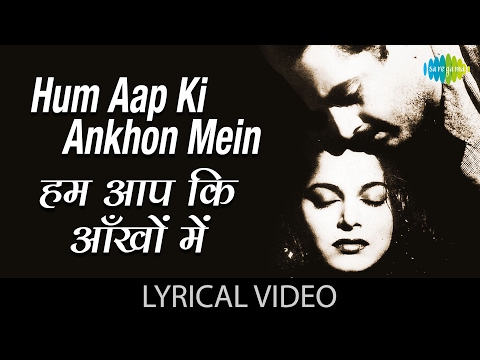
In Pyaasa again, the dream sequence of Hum aapki ankhon mein is a hypnotic escape from grim reality. It’s a rare moment of levity, of imagined love, cloaked in surreal lighting and lyrical choreography. But even here, the joy feels ephemeral, like a candle flickering in a storm.
The Revolutionary Verse: Yeh Mehlon Yeh Takhton
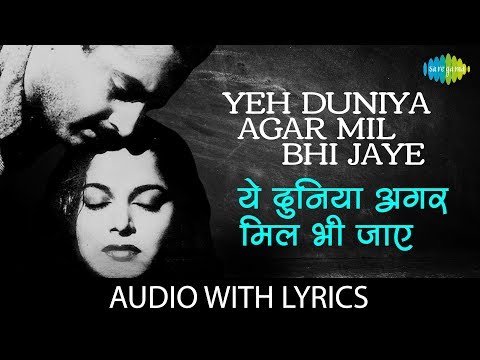
One of Dutt’s most explosive scenes comes with his impassioned recitation of Yeh mehlon yeh takhton yeh taazon ki duniya. In Pyaasa, the poet Vijay confronts the hypocrisy of a world that celebrates his words only after believing he is dead. Delivered with ferocious intensity, the scene is a rare moment in Indian cinema where poetry turns into protest.
Dignity in Defeat: The Office Scene
In a heartbreaking moment from Pyaasa, Dutt enters Rehman’s office seeking a job. The camera lingers on his helplessness, the degradation of talent at the altar of compromise. It’s a subtle but crushing commentary on the soul-killing machinery of modern life.
First Glance, Unknowing Truth
The scene where Vijay meets Gulabo (Waheeda Rehman) without knowing she is a prostitute is as delicate as it is layered. Dutt’s films rarely moralise, they humanise. His empathy transforms what could be judgment into understanding, and what could be shame into grace.
The Conscience of the Nation: Jinhe Naaz Hai Hind Pe Woh Kahan Hain
Walking through brothels, ruins, and decay, Vijay sings of a nation’s betrayal in Pyaasa. Jinhe naaz hai Hind par woh kahaan hain? asks not just about patriots, but about conscience. It’s a powerful, lyrical indictment wrapped in melancholy.
Estranged Love: Reunion and Rage in Kaagaz Ke Phool
When Dutt meets his daughter after years of estrangement, and clashes with his in-laws, we witness a deeply personal pain. The restrained dialogue and lighting reveal the emotional cost of ambition and abandonment. It’s less a scene than a confession.
Waqt Ne Kiya: Time, Love, and Loss

If Kaagaz Ke Phool had only the song, Waqt ne kiya kya haseen sitam, would still be immortal. Dutt and Waheeda, bathed in soft shadows, move like ghosts haunted by what could have been. Rarely has longing been so elegantly visualised.
The Fan Mob Scene: Stardom’s Price
In a chilling moment of Kaagaz Ke Phool, Dutt watches from the shadows as Waheeda is mobbed by adoring fans. There is no joy on his face, only the pain of someone who has lost a muse to the public. It’s cinema, looking at cinema, and weeping.
Lighting the Pipe: A Silent Sonata
One of the most iconic scenes in Kaagaz Ke Phool, is the lighting of a pipe. No words. Just gestures. In Dutt’s world, silence often speaks loudest. The act, tender and intimate, becomes a metaphor for unspoken connection, and inevitable parting.
Sun Sun Sun Zaalima: A Rhythmic Tease
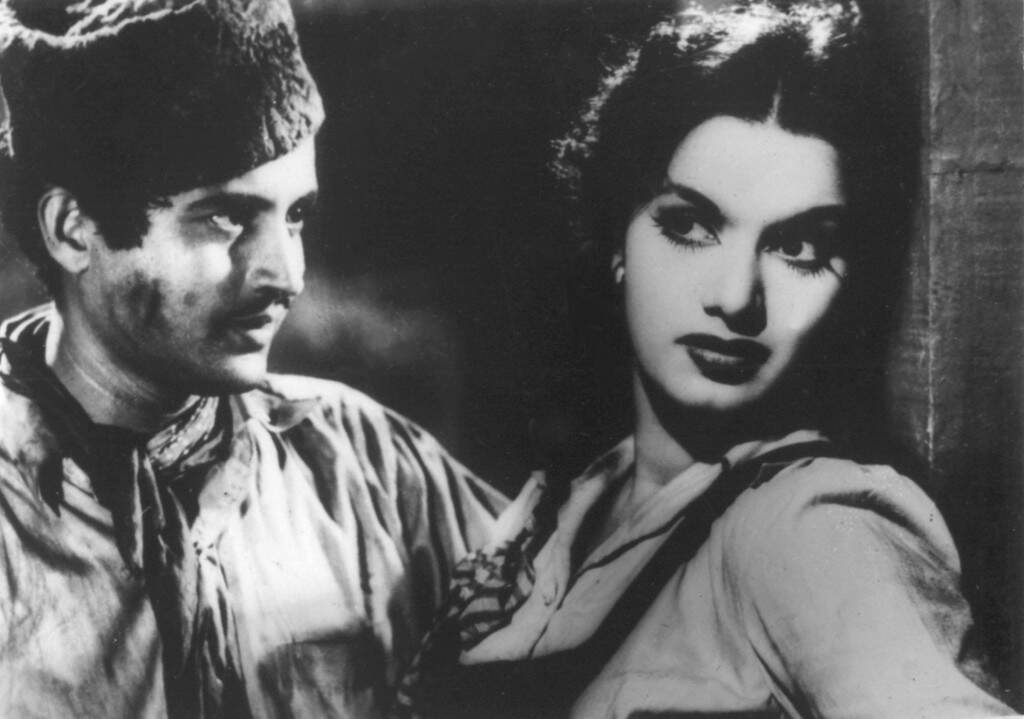
In Aar-Paar, the energetic number Sun sun sun zaalima is a playful explosion of noir-flavored romance. The camera moves as rhythmically as the beat, and Dutt’s comic timing meets Geeta Dutt’s flirtatious singing in a song of cinematic joy.
The Burden of Love: Carrying Madhubala Upstairs
Physical space becomes emotional in this comic yet telling moment where Dutt carries Madhubala upstairs in Mr & Mrs ’55. It’s a romantic comedy with undertones of vulnerability and emotional weight, a balance Dutt mastered.
Showdown with Lalita Pawar: A Battle of Wills
Lalita Pawar’s strict authority in Mr & Mrs ’55 crashes against Dutt’s simmering defiance in a classic confrontation. Sparks fly without theatrics, proving Dutt’s strength as a restrained yet powerful actor.
Chaudhvin Ka Chand: A Hymn to Beauty
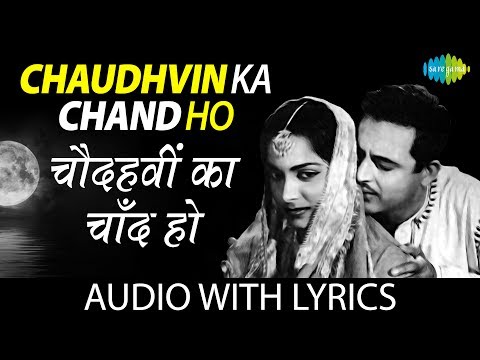
The titular song from Chaudhvin Ka Chand is perhaps Indian cinema’s most exquisite ode to feminine beauty. Dutt gazes at Waheeda like she’s divine, and through his gaze, we too fall in love with light, shadow, and sheer poetry.
The Veil Returns: End Scene of Chaudhvin Ka Chand
In a quietly shattering ending, Dutt’s character restores the veil on Waheeda’s face. It is a moment heavy with sacrifice, lost love, and silent respect, a poetic punctuation to a tragic romance.
Meeting Chhoti Bahu: The Temptation of the Ethereal
In Sahib Bibi Aur Ghulam, Dutt’s first encounter with Meena Kumari’s Chhoti Bahu is laden with curiosity and an almost sacred reverence. Her voice, her sadness, her vulnerability: all become part of a larger tapestry of dying traditions and silent rebellion.
Opening Scene: A Skeleton and a Memory
The haunting first scene of Sahib Bibi Aur Ghulam, where the narrator sees Chhoti Bahu’s skeleton, sets the tone of a gothic tragedy. Memory, guilt, and decay weave together into one of Indian cinema’s most unforgettable introductions.
The Coach Scene: Comfort Amidst Chaos
When Dutt comforts Meena Kumari in a dimly lit coach, there’s more emotion in his restraint than in any grand gesture. It’s an act of tenderness, but also of helplessness, hallmarks of Dutt’s tragic masculinity.
The Haveli’s First Glimpse: Architecture of Decay
The first look at the haveli in Sahib Bibi Aur Ghulam is a character introduction in itself. Dusty grandeur, crumbling facades, Dutt uses architecture to mirror the decay of morals and relationships, wrapping his film in a shroud of elegy.
The Poet of Shadows
Guru Dutt’s cinema was not just lyrical in content, it was poetry in form. He filmed silences like stanzas, shadows like metaphors, and songs like philosophies. In his world, even heartbreak had beauty, and even joy carried a shadow. Few directors have captured the soul’s bruises with such grace. Fewer still have left behind films that don’t just entertain, but endure.
Also Read: “Women were ready to do anything for Guru Dutt”- Devi Dutt
