

The Canal deserves your time. It’s also where most Panama itineraries end, and that leaves out most of the country. Panama packs two oceans, rainforest, cloud forest, a volcanic crater town, and a modern capital into a country you can cross by road in about an hour at its narrowest.
In my work with travelers, the places people knew least about before arriving are often the ones they talk about afterward. This guide covers where to go once the locks are behind you: the old capital, the mountains, the Caribbean coast, Indigenous communities, and the festivals worth timing a trip around.
Spend a Day in the El Valle de Antón Crater
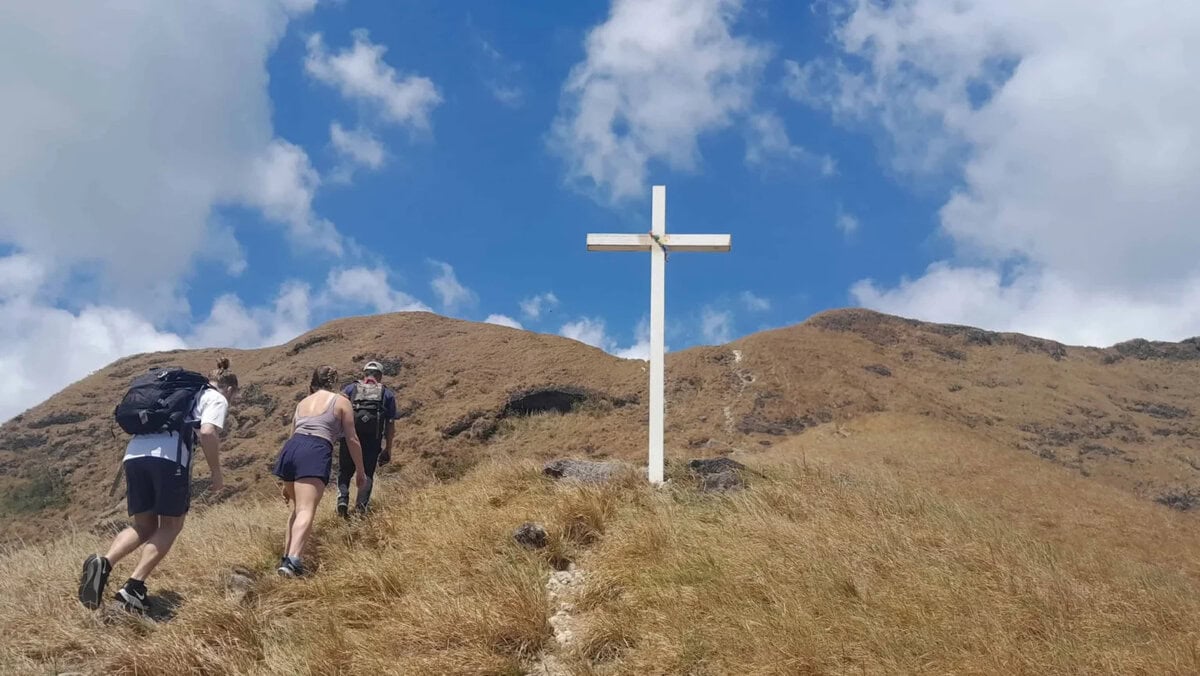
Live Folks, the author’s Panama City tour company, runs a full-day small-group trip into El Valle de Antón. Your guide takes you to the Butterfly Haven, the short trail to El Macho waterfall, the petroglyphs, the hot springs and the town market, with the ridge of La India Dormida above you.
Good to know
About 10 hours, with pickup in Panama City or Playa Bonita and roughly 1 hour 45 minutes on the road each way
US$205 per adult and US$185 for children 5 to 17, checked October 2026
Certified guide, transport, all entry fees and bottled water are included
A maximum of 10 travelers, with tours in English, Spanish and French
Lunch is not included, and the tour runs rain or shine
Check dates and prices for the El Valle de Antón tour →
This section contains partner links. If you book through them, we may earn a commission at no extra cost to you. We only feature partners whose services we believe add genuine value for travelers.
Start in the Capital, Then Go Deeper
Casco Antiguo. If I had to pick one place to start understanding Panama, it would be Casco Antiguo, the historic quarter of Panama City. You’ll find cobblestone streets, colonial churches, colorful façades, and lively plazas, along with restaurants, cafés, and rooftop terraces that show the Panama of today.
People live and work here, and local businesses shape the neighborhood. So skip the urge to tick off landmarks. Walk past the busiest streets, stop for a local dish, and talk to whoever is behind the counter. Those small conversations often tell you more about Panama than a checklist does.
Panamá Viejo. About 8 km east of Casco Antiguo are the ruins of the original Panama City, founded in 1519 on the Pacific. Pirates sacked and burned it in 1671, and the city was rebuilt where Casco Antiguo now stands. UNESCO lists the two together as one World Heritage Site, but they tell different chapters of the same story, so give each its own visit.
Eating your way through the city. Look for a fonda, a modest local eatery serving home-style cooking. A typical lunch is rice, beans, meat or fish, and plantains. This is where I’d send you for sancocho, the chicken soup Panamanians love, as well as arroz con pollo and ropa vieja, shredded beef in a savory sauce.
Near Casco Antiguo, the Mercado de Mariscos is the place for ceviche: seafood marinated in lime juice, onion, and seasonings. It tastes best in the tropical heat. If you want the Canal and the city in one day, the Panama Canal and city tour by Live Folks combines the Miraflores Locks, the Amador Causeway and a seafood lunch stop at this market.
Nature Closer Than You’d Expect
Metropolitan Natural Park. Panama City has rainforest inside its limits. This 230-hectare park has seven marked trails, none of which need a guide, with the skyline behind the trees. Look for squirrel monkeys and the whooping motmot, one of 283 bird species recorded here. Other national parks and rainforest areas are a short drive from the city. Around Gamboa, about 45 minutes away, the Gamboa rainforest and Monkey Island tour takes a small boat along the Chagres River and Gatún Lake, where you watch monkeys and birds from the water, then continues on foot along the Pipeline Road.
El Valle de Antón. With a little more time, head for El Valle de Antón, a mountain town at about 600 m inside the crater of an extinct volcano. It’s often called the largest inhabited volcanic crater in the Americas. Most visitors arrive expecting a quick stop, and many tell us it became the highlight of their trip. Allow roughly 2.5 hours by bus from Albrook terminal.
Taboga Island. Taboga is the easiest Pacific escape, about 30 minutes by boat from the Amador Causeway. Ferries run on a timetable and island boats can be affected by weather, so check the return time before you settle onto the beach.
Chiriquí and the highlands. Chiriquí is about an hour’s flight from Panama City to David, followed by a drive up to Boquete. The climate is cooler, and the higher elevations hold cloud forest. Landscapes in Panama change fast, and this is the clearest example.
The Caribbean Side
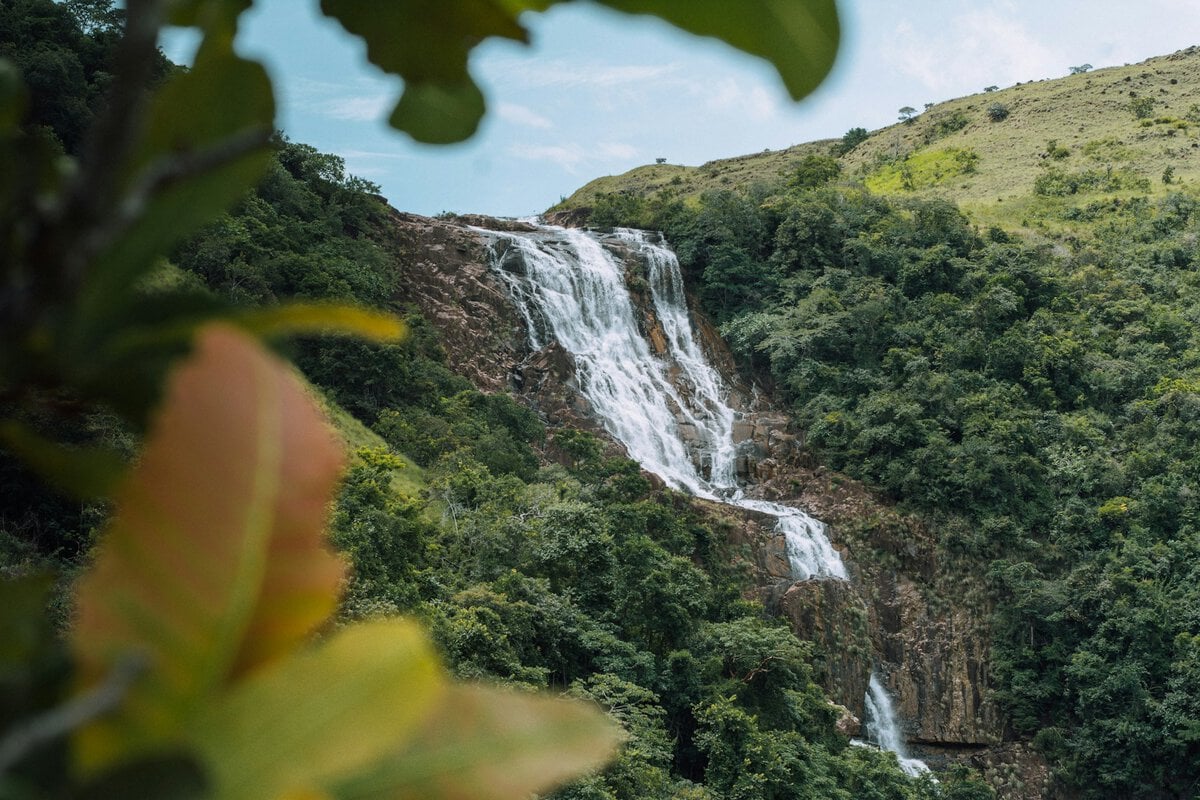
Colón Province. Colón is where I’d send anyone interested in history. Its coastal communities carry a deep Afro-Caribbean heritage, and this coast is where Congo traditions are strongest. In 2018, UNESCO inscribed the “ritual and festive expressions of the Congo culture” on its list of Intangible Cultural Heritage. They combine music, dance, costume, and theater rooted in the history of Afro-descendant communities who resisted slavery in the colonial period.
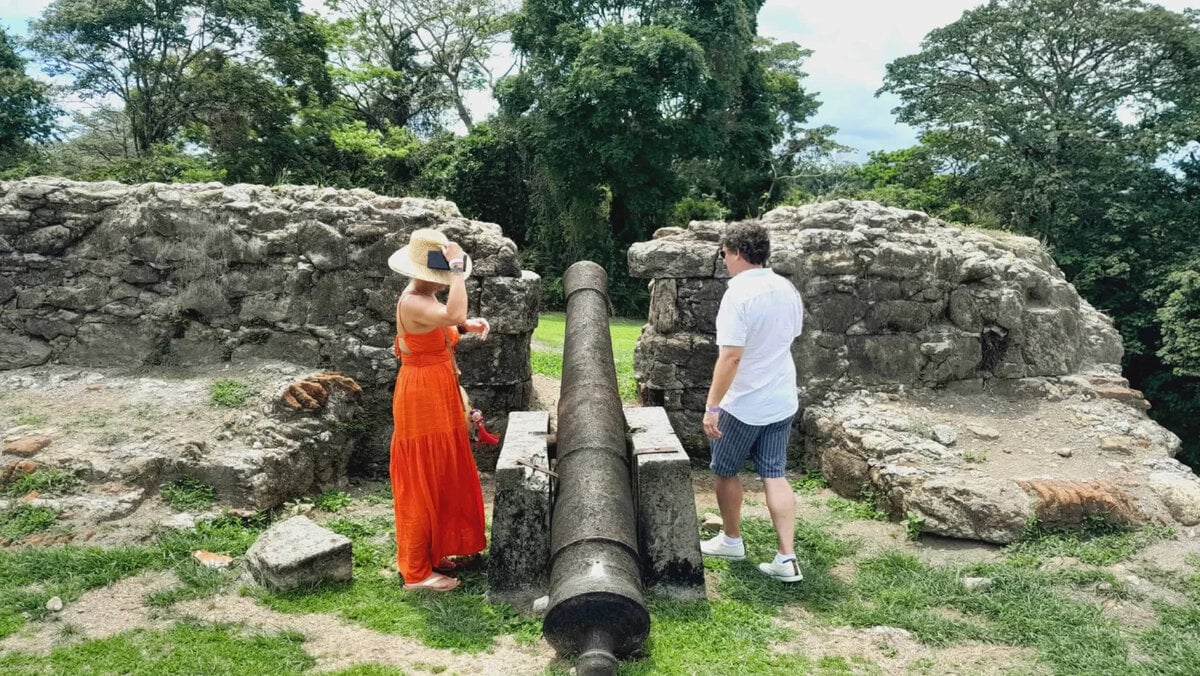
Fort San Lorenzo and Portobelo. These colonial fortifications were part of the Spanish Empire’s defenses along this coast. Seeing them explains Panama’s role in moving people, goods, and silver between continents, a story that long predates the Canal. UNESCO listed them as a World Heritage Site in 1980 and has placed them on its List of World Heritage in Danger since 2012 because of deterioration, so stay on marked paths and treat the walls with care. The Fort San Lorenzo and Portobelo day tour covers both sites from Panama City in one day and starts at the Agua Clara Locks on the Caribbean end of the Canal.
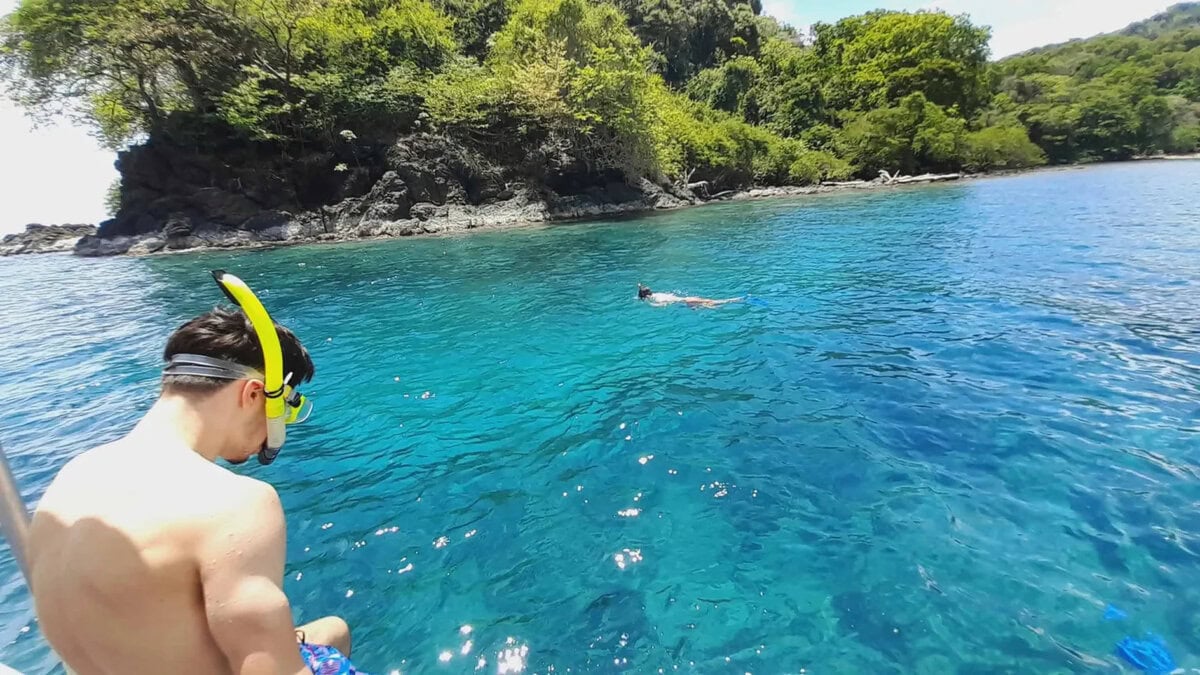
Guna Yala (San Blas). The archipelago has about 365 islands, turquoise water, white sand, and the living culture of the Guna people. The Guna govern the region themselves through the Guna General Congress, and foreign visitors pay a territory entry fee. Arrange your stay through an operator who works with Guna communities. The trip is a road transfer followed by a boat, or a flight from Albrook airport to one of the regional airstrips. If you’re continuing to Colombia, some travelers do it by boat, and our guide to sailing between Panama and Colombia covers the multi-day route through these islands.
The food reflects the sea. Fresh fish, seafood, plantains, and coconut appear in most meals, and you may be offered dulemala, a traditional Guna soup usually made with fish, coconut milk, and root vegetables. Dishes vary by community and household, so arrange meals respectfully with your hosts.
Eating on the Caribbean side. Along the coast, particularly in Colón and Bocas del Toro, coconut milk or coconut water turns up in rice, seafood, stews, and sauces. Look for freshly caught fish, coconut rice, and fried plantains. Don’t judge Panamanian food by a single meal in the capital.
Meeting Indigenous Communities Respectfully
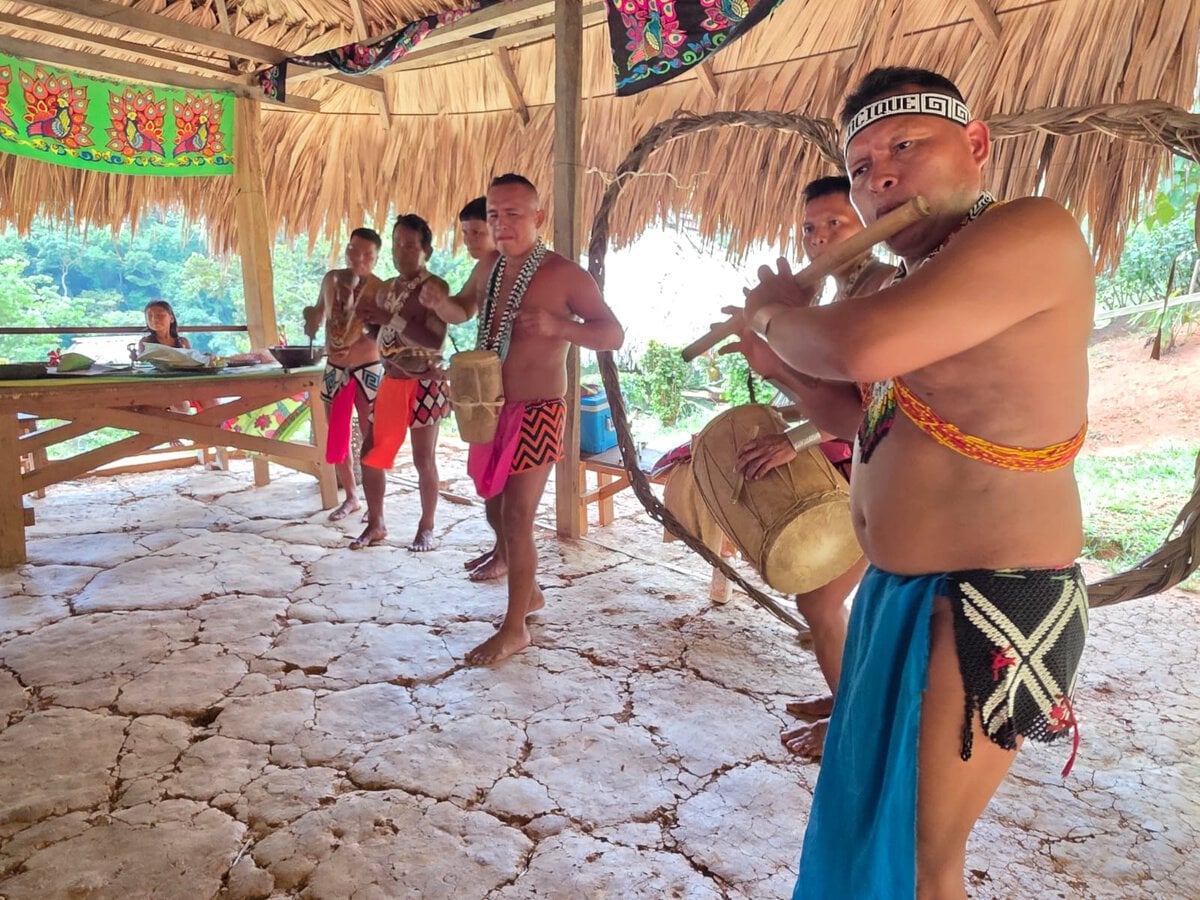
Panama is home to several Indigenous peoples, including the Guna, Ngäbe, Buglé, Emberá, and Wounaan. Each has its own history and practices. These are living societies with their own priorities, not attractions.
One meaningful visit is to an Emberá community in or near Chagres National Park, often reached by dugout canoe. You can learn about crafts, music, dance, food, and the community’s relationship with the rainforest, and you may be served fresh fish and plantains. Arrange the visit through an operator who works with the community, so you learn directly from the people whose culture it is.
Plan Around a Festival
Timing your trip around a cultural event shows a different side of the country. If your dates allow, build the trip around one of these.
Portobelo’s Black Christ (October 21). Thousands of pilgrims travel to Portobelo to honor the Black Christ, many walking the last stretch. It’s a religious event, so dress modestly and keep a respectful distance. Congo traditions are often visible, and the town’s Afro-Panamanian heritage is part of the experience. Expect heavy traffic on the coast road that day.
Fiestas Patrias (November). November is Panama’s month of national holidays: separation from Colombia on November 3, Flag Day on November 4, Colón Day on November 5, the Cry of Independence in La Villa de Los Santos on November 10, and independence from Spain on November 28. Streets fill with flags, marching bands, traditional music, and folkloric dance. You may see the tamborito and the pollera, the elaborate traditional dress that represents regional craftsmanship. Children march in school parades, often in costume, which is the clearest sign these traditions are alive.
Carnival (the four days before Ash Wednesday). In 2027, that’s February 6–9. Panama City hosts major festivities, but Las Tablas, in Los Santos province, is known for the most elaborate traditions: rival tunas (carnival groups) and their queens compete in costume and song. Congo celebrations on the Caribbean coast also peak at this time. Atmosphere and customs differ by town, and lodging in Las Tablas fills up months ahead.
Practical Information
Getting there and around. Most international visitors land at Tocumen International Airport (PTY), outside Panama City. From there, take a taxi, a prearranged transfer, or other ground transport; journey times depend on traffic.
Panama City works well as a base. Many destinations are 45 minutes to two hours away by road, though road works, congestion, and weather can stretch that, so don’t schedule transfers tightly. With good traffic, you can cross between the Pacific and Caribbean coasts in about an hour.
| Destination | How to get there | Time |
|---|---|---|
| Taboga Island | Ferry from the Amador Causeway | About 30 minutes |
| El Valle de Antón | Bus from Albrook terminal or car | About 2.5 hours by bus |
| Colón and Portobelo | Road | 1.5–2 hours, depending on destination |
| Guna Yala (San Blas) | Road transfer plus boat, arranged in advance | Most of a morning |
| Bocas del Toro | Domestic flight to Isla Colón | About 1 hour (overland and water taxi takes much longer) |
| Chiriquí highlands | Flight to David, then road to Boquete | About 1 hour flying, plus the drive |
| Pearl Islands (Las Perlas) | Boat or, for some islands, a flight | Varies widely by island |
When to go. Panama is a year-round destination. The dry season runs from mid-December through April, with more sunshine and busier holidays, so book lodging and excursions early. The rainy season runs from May into December, and in many areas October to mid-December brings the heaviest, longest rain.
That overlaps with the Portobelo pilgrimage and the November holidays. Go anyway if the festivals call to you, but stay flexible: rain can close trails, slow roads, and cancel boat trips, especially in remote areas. The Caribbean coast and the highlands often have different weather from the capital, so check the forecast for each stop.
What to bring
- Lightweight, breathable clothing for the lowlands, and a light rain jacket or compact umbrella year-round
- A light sweater for highland mornings and evenings
- Comfortable walking shoes for Casco Antiguo’s cobblestones and trails that turn muddy after rain
- Swimwear, sun protection, a hat, and a waterproof bag for electronics on boat trips
- Insect repellent and a reusable water bottle; follow local advice on drinking water in remote areas
- Small US dollar bills. Panama uses US dollar notes, with balboa coins circulating at the same value. Cards work in many city businesses, but cash helps at fondas, markets, rural areas, and in Guna Yala.
Frequently Asked Questions
How many days do I need to see Panama beyond the Canal?
Plan on at least a week. That covers the Canal, Casco Antiguo and Panamá Viejo, a day in nature such as El Valle or an Emberá visit, and one or two nights in Guna Yala or on the Caribbean coast. With 10 to 14 days, you can add Bocas del Toro or the Chiriquí highlands without rushing.
Can I stay in Panama City and still reach the rainforest, mountains, and islands?
Often, yes. Metropolitan Natural Park, Taboga, Portobelo, and an Emberá visit all work as day trips from the capital. Guna Yala, Bocas del Toro, and Chiriquí need at least one overnight.
Is the rainy season a bad time to visit?
Not necessarily. It rarely rains all day, and mornings are often sunny, with showers building in the afternoon. Weather can change sharply over short distances. The wettest stretch, from October to mid-December, is when boat trips and remote roads are most likely to be disrupted, so build in a spare day.
Do I need to speak Spanish?
Spanish is the official language. You’ll also hear English and English-based Creole in some Caribbean communities, especially in Bocas del Toro and Colón. A few Spanish greetings go a long way; our tips on learning a language before you travel can help you start.
Can I travel overland from Panama to Colombia?
No. There’s no road through the Darién Gap, the roughly 90 km stretch of jungle on the border, and travelers are advised not to attempt it on foot. Fly, or travel by boat along the Caribbean coast. Our guide to crossing the Darien Gap compares the options.
Can I take photos in Indigenous communities and at festivals?
Ask before photographing people, and follow local guidance. In some Guna communities, photographing people is expected to come with a small payment, so ask your host first. Religious events such as Portobelo’s pilgrimage are acts of faith, not performances.
Should I use a guide?
For Guna Yala and Emberá visits, yes: arrangements should go through people who work with those communities. Elsewhere, a knowledgeable Panamanian guide explains the history behind a place and points out details you’d miss. Travelers often tell us a conversation with a guide or local resident became as memorable as the main attraction.
