

Most visitors leave the capital thinking Panama is the Canal and not much else. A morning’s drive toward the Caribbean changes that. From Panama City, travelers can explore Colón’s rich Afro-Caribbean heritage, Portobelo’s Spanish colonial forts, the turquoise waterways of Venas Azules, and the UNESCO-listed fortifications of San Lorenzo. Together they show the Caribbean coast’s blend of history, culture, and natural beauty.
Each stop is different, and they’re spread across Colón province. This guide explains what each one offers, how long the journey takes, and how to plan a day that doesn’t leave you rushing from one to the next.
Portobelo and Fort San Lorenzo With a Guide
Live Folks runs a full-day guided trip from Panama City to the Caribbean side: the Agua Clara locks of the canal, the 16th-century Fort San Lorenzo above the mouth of the Chagres River and the old forts of Portobelo, with the story of the trade routes they guarded.
Good to know
Duration: About 10 hours
Price: From US$220 on the Live Folks site, checked October 2026
Pickup: Panama City and Playa Bonita hotels, plus cruise terminals in Panama City and Colón
Included: Certified guide, transport, all entry fees and bottled water
Keep in mind: The lunch stop is paid separately, the minimum age is 5 and the tour runs rain or shine
See the Portobelo and Fort San Lorenzo tour
This section contains partner links. If you book through them, we may earn a commission at no extra cost to you. We only feature partners whose services we believe add genuine value for travelers.
Portobelo or Somewhere Else?
The Caribbean coast is the trip this guide is about: Afro-Caribbean food, colonial forts and a boat ride through Venas Azules in one day. If you would rather hike or spend the day on islands, El Valle de Antón and Guna Yala are the two other day trips most people weigh it against. The comparison further down helps you choose.
Four Stops, Four Different Places
Many articles treat Colón, Portobelo, Venas Azules, and San Lorenzo as interchangeable pieces of one sightseeing loop. They aren’t. Each has its own character, and knowing the difference helps you decide which to prioritize.
Colón
Colón is shaped by Afro-Caribbean culture and by the history of the Panama Canal. Here you’ll find brightly colored buildings and conversations in both Spanish and Caribbean English. The smell of freshly cooked seafood drifts along the street. Treat it as a place to absorb the region’s character rather than a checklist of monuments.
Portobelo
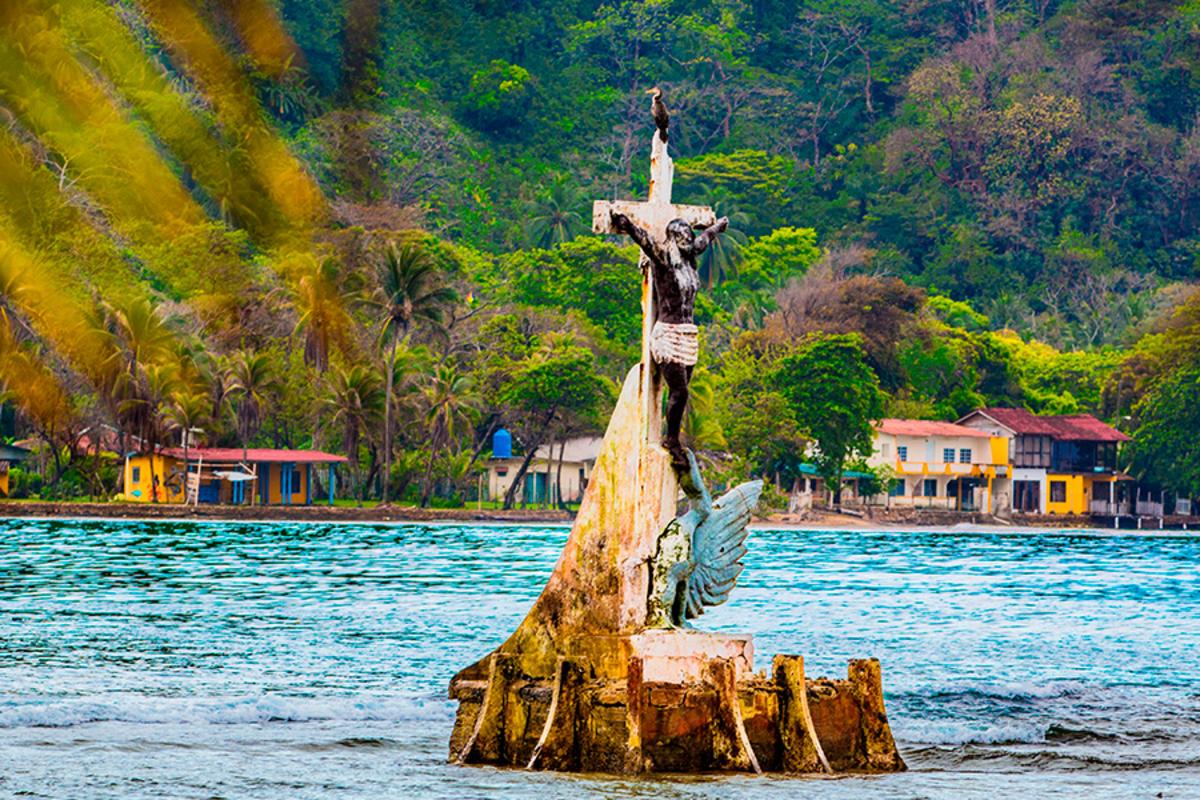
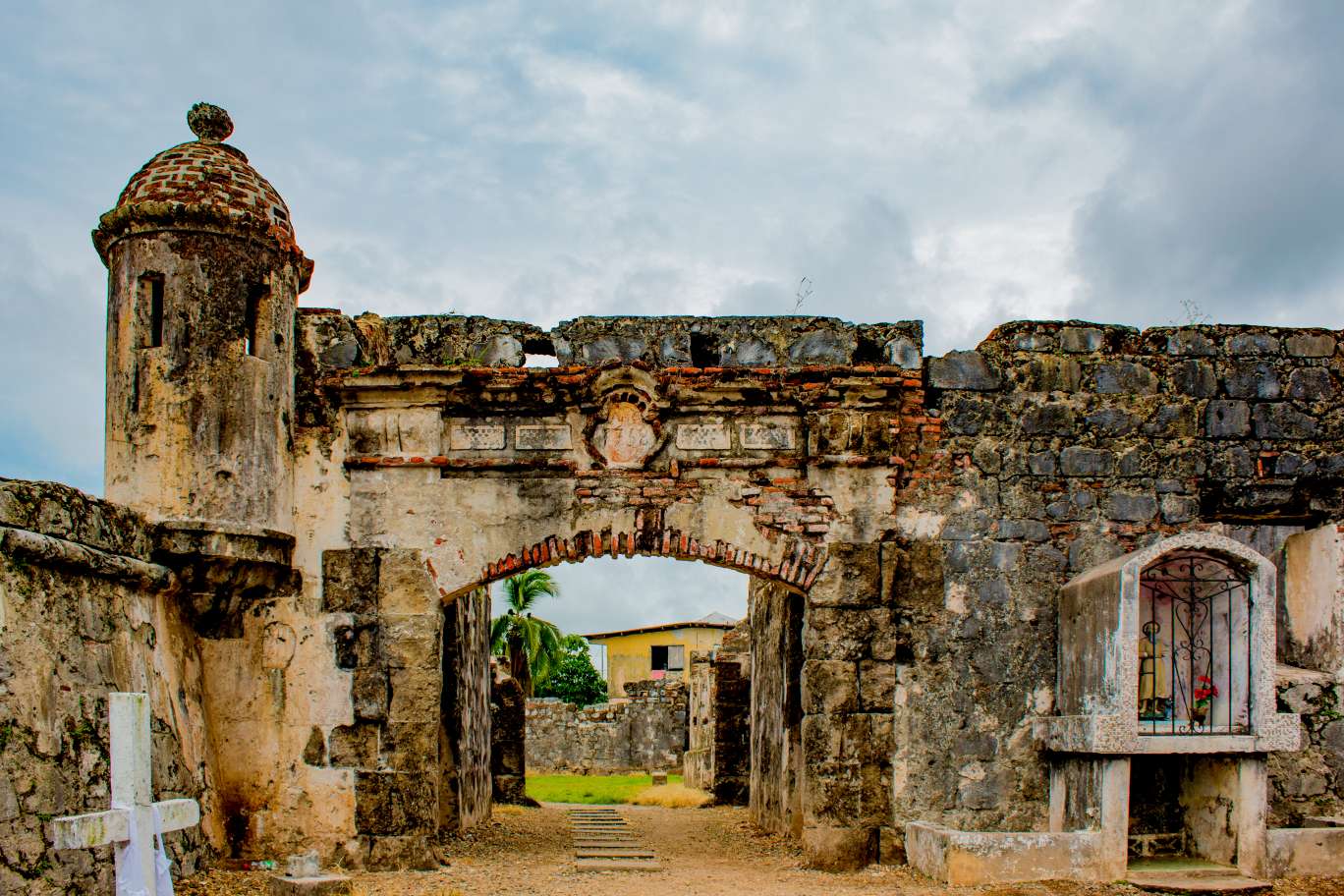
Portobelo is the heart of the trip. Spanish colonial fortifications overlook the bay, fishing boats rest along the shoreline, and tropical hills rise behind the village. It was once a major Spanish colonial port on the trade routes linking the Americas and Europe, and the forts reflect the wealth, conflict, and forced labor of that era.
Spend time in the village center as well as at the stone walls. History here feels tangible rather than confined to museum displays, and the town is also the usual starting point for boat trips to Venas Azules.
Venas Azules
Here a boat carries you through narrow channels of clear turquoise water, winding between mangroves and small green islands. The noise of the road gives way to water slapping the hull and seabirds overhead.
There is no road to it. You continue to the Portobelo area and board a boat. Water color depends on light, recent rain, and sea conditions, so don’t count on a postcard shade. Environmental restrictions can also affect visits, so confirm access before you travel.
San Lorenzo
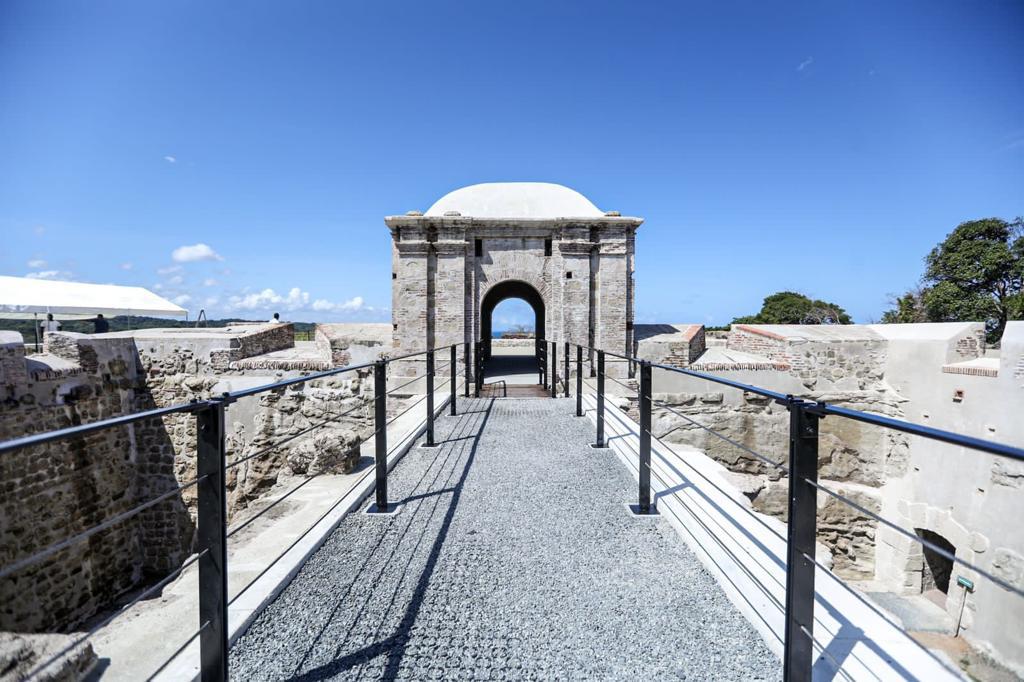
San Lorenzo’s massive stone walls overlook the point where the Chagres River meets the Caribbean Sea. Jungle vegetation creeps around the centuries-old defenses. The setting is forested and wilder than Portobelo’s waterfront, and the site is UNESCO-listed. Access can depend on site conditions or opening arrangements, so check ahead.
Eat in the Village Before the Boat
One habit visitors often skip is sitting down in Portobelo’s village center for a proper meal. Most people go straight from the forts to a boat excursion. That’s a missed chance.
Food here is deeply influenced by Afro-Caribbean traditions. Look for small local eateries serving the day’s catch, and ask whether rondón is available, since preparation and availability vary. It’s a seafood stew built on coconut milk, fish, crab or other seafood, root vegetables, and aromatic seasonings. Expect a creamy, savory broth with a gentle coconut sweetness.
The other dish to look for is fried fish with coconut rice and patacones, twice-fried green plantains. It’s crispy, salty, and slightly sweet. A family-run place near the waterfront also gives you a conversation with people who live and work around the bay.
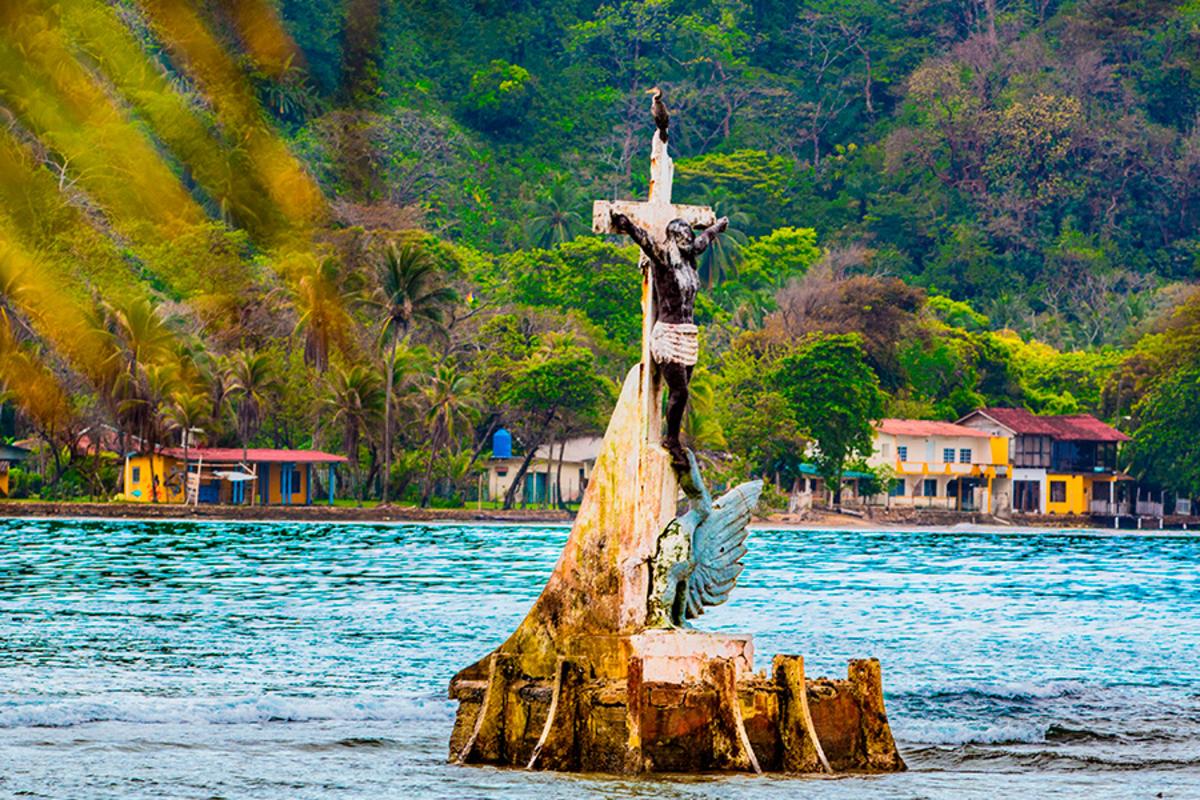
Picture a traveler who arrives planning only to photograph the forts. They stop for fried fish and coconut rice, and a local resident starts talking about the Black Christ of Portobelo and the pilgrimage that fills the town each October. That afternoon the boat ride through Venas Azules feels different, because the coastline now has people and stories attached to it.
Where to Eat Coconut Rice in Portobelo
Casa Congo Restaurante sits on the waterfront in the historic village and cooks Caribbean dishes and seafood. Coconut rice is on the menu as a side, listed at around 3 dollars, with the seafood priced separately. Ask for the catch of the day with coconut rice and patacones.
Las Anclas is a waterfront restaurant known for Caribbean seafood, including whole fried fish and octopus in coconut sauce. It suits a sit-down lunch by the bay.
Coconut rice usually comes as a side rather than a full meal, so order it with fried fish, seafood or a coconut stew. Menu prices change, so check them when you order.
The Culture Behind the Scenery
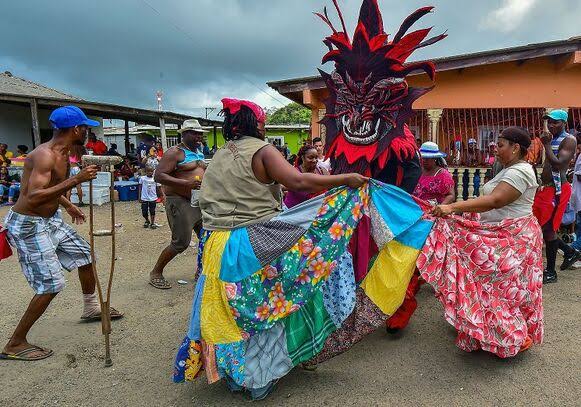
Understanding this coast means looking past the colonial forts to the African and Caribbean heritage that still shapes it. The area’s identity is strongly influenced by Afro-Panamanian communities, and their traditions show up in the food, the music, religious celebrations, and everyday life.
Two traditions stand out in Portobelo:
- Congo culture, recognized by UNESCO, which uses music, dance, colorful costumes, and symbolic performances to preserve the collective memory of slavery, resistance, and freedom.
- The Black Christ of Portobelo, whose annual celebration on October 21 draws pilgrims from across Panama.
Portobelo is a living community. Ask before photographing ceremonies or individuals, and behave as a guest would.
When to Go
The drier season, from mid-December through April, is generally easier for boat excursions and fort visits. Weekends and holidays can be busier, so arrange transport and boats in advance. For a balance of sightseeing and boat time, February through April works well.
This is still the Caribbean coast, and rain can fall in any month. No season guarantees sunshine or clear water.
From May to September expect greener landscapes, warm temperatures, and a better chance of showers. Boat trips may still run, but rain and cloud can affect visibility, comfort, and sea conditions. October and November are among the wettest months in Panama. Heavy showers can affect boat departures, water visibility, and access to outdoor sites. If you want to see the Black Christ celebration on October 21, expect larger crowds and plan your transport early.
Planning the Caribbean Day
Visiting all four stops in one day takes careful planning, especially with a boat included. Traffic, road conditions, and waiting for boats can all stretch the schedule. Leave early and keep the itinerary flexible. If time is tight, pick two or three stops and give them room, rather than racing through all four.
Because the attractions are spread out and Venas Azules needs a boat transfer, a private vehicle or an organized tour is the most practical option. Public transportation can get you to Colón or Portobelo, but linking all four on your own in a single day is much harder.
On safety, use the sensible precautions you’d use in any large port city: keep valuables out of sight, arrange transport in advance, and check current local conditions with your operator before leaving the capital.
Portobelo, El Valle or Guna Yala: Which Day Trip Fits?
Portobelo and Venas Azules: Food and a Boat Ride
Afro-Caribbean cooking, colonial forts, turquoise mangrove channels and coastal scenery. Pick this if you want culture and time on the water in one outing. A boat excursion to Venas Azules costs around 35 to 50 dollars per person without road transport, and packages from the city cost more.
El Valle de Antón: Mountains and Hiking
A cooler inland escape inside an ancient volcanic caldera, with hikes such as La India Dormida, waterfalls, hot springs, gardens and a local market. No boat needed, and a completely different landscape from the coast. The public bus costs about 4.50 to 5 dollars each way, and most attractions charge between 3 and 10 dollars.
Guna Yala (San Blas): Islands
Small tropical islands, white sand and clear Caribbean water in the autonomous territory of the Guna people. The day is about island-hopping, swimming and snorkeling, and Guna culture and community rules are part of the visit. Day tours from Panama City cost around 114 to 225 dollars per person, plus the territorial entry fee.
What Each Trip Costs
| Expense | Portobelo and Venas Azules | El Valle de Antón | Guna Yala |
|---|---|---|---|
| Transport from Panama City | Varies, often included in packages | Bus about 9 to 10 dollars return | Usually included in day tours |
| Main activity | Boat trip 35 to 50 dollars without road transport | Attractions about 3 to 10 dollars each | Day tour 114 to 225 dollars |
| Food | Budget separately, coconut rice is usually a side | Varies by restaurant or fonda | Lunch included in many tours |
| Additional fees | Possible island or beach fee, around 1 dollar | Varies by attraction | Territorial fee 22 dollars for foreign visitors, 7 dollars for Panamanian residents |
| Best budget approach | Public transport plus a prebooked boat | Bus and a few chosen attractions | Compare complete tour packages carefully |
How to Plan Each One
- Do not combine all three in one day. Portobelo and Venas Azules go together naturally. El Valle and Guna Yala are separate trips on different roads.
- Portobelo: book the boat ahead and check what is included, such as Venas Azules, a beach stop, snorkel gear, entrance fees and transport from Panama City.
- El Valle: pick one or two things, a hike, a waterfall, the hot springs or the market. Trying to do everything makes the day rushed.
- Guna Yala: expect a very early start, a road transfer and then a boat. You are a guest on Guna territory, so follow the community rules and the local authorities.
In short, choose Portobelo for Caribbean food, colonial history and a boat ride through Venas Azules, El Valle for hiking and mountain scenery, and Guna Yala for a day on the islands.
Practical Information
Getting There
The route follows the Transístmica Highway toward Colón or the Panama-Colón corridor, then continues by road to the historic sites and coastal communities.
- By car from Panama City: Take the Panama-Colón Highway to Sabanitas, then follow the road toward Portobelo. The drive is typically 1.5 to 2 hours.
- From Tocumen International Airport (PTY): Allow around 2 to 2.5 hours to reach Portobelo, depending on traffic and your exact destination. If you land that day, avoid a tight connection with a boat excursion.
- To Venas Azules: Continue to the Portobelo area and take a boat.
- To El Valle de Antón: About two hours from the city.
Costs
A boat trip to Venas Azules costs around 35 to 50 dollars per person without road transport. Packages from Panama City cost more, so ask for a full quote that covers transport, the boat, any island or beach fee (around 1 dollar) and site entry before you commit. Meals at small local eateries are a separate expense. The table above compares the costs with El Valle and Guna Yala.
What to Bring
- Cash in small denominations, since some vendors and boat operators may not take cards
- A waterproof bag or phone pouch for the Venas Azules boat ride
- Reef-safe sunscreen, insect repellent, drinking water, and a hat
- Lightweight clothing and comfortable walking shoes for Portobelo’s fortifications and San Lorenzo’s forested surroundings, where paths can be muddy
- Swimwear and a towel if you plan to swim where permitted (check local rules first)
Mobile signal and ATMs can be unreliable in some areas, so sort out cash and downloads before leaving Panama City.
Frequently Asked Questions
Can I visit Colón, Portobelo, Venas Azules, and San Lorenzo in one day from Panama City?
It’s possible with an organized excursion that coordinates the vehicle and boat in advance. Trying to connect them independently usually leaves too little time at each stop. Start early and expect the schedule to shift with traffic and boat availability.
Can I do this trip by public transportation?
Buses run from Albrook Terminal to Colón, with onward local transport toward Portobelo. The journey usually takes 2.5 to 3 hours. You’ll need extra arrangements to reach San Lorenzo and the boat departure point for Venas Azules.
Is Venas Azules always turquoise?
No. The color varies with light, water conditions, and rainfall. Confirm departures and sea conditions with your local operator before traveling, since weather and environmental restrictions can affect trips.
Is Colón safe for a day trip?
Colón is a living city with a strong cultural identity, and most visitors on organized day trips have no problems. Use the usual precautions: keep valuables out of sight, arrange transport ahead, and ask your operator about current conditions.
Should I choose Portobelo, El Valle or Guna Yala for a day trip?
Choose Portobelo and Venas Azules for Caribbean food, colonial forts and a boat ride, El Valle for hiking and cooler mountain air, and Guna Yala for island-hopping and snorkeling. Guna Yala is the most expensive, at around 114 to 225 dollars for a day tour plus the territorial fee. Each is a full day on its own.
Which month is best for the Caribbean coast?
February through April gives the best balance of sightseeing and boat activities, and mid-December to April is generally the drier window. Stay flexible, because Caribbean showers can arrive at any time of year.
More ideas for your trip are in our Panama travel guides, including things to do in Panama beyond the Canal.
