

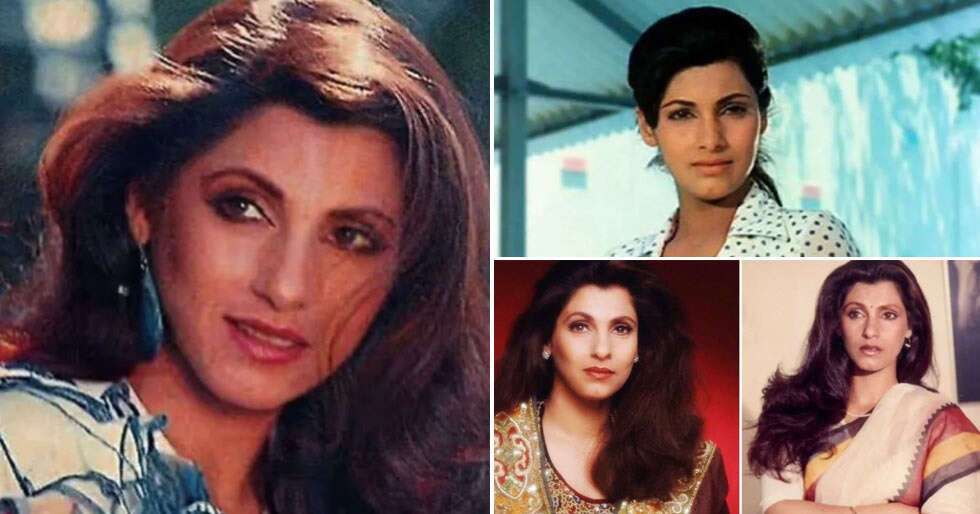
On Dimple Kapadia’s birthday, Filmfare’s Editor-in-Chief Jitesh Pillaai pens a heartfelt tribute to one of Indian cinema’s most fascinating stars. From her meteoric debut to her enduring legacy, Dimple Kapadia has always followed her own path and enriched every era she has been part of.
In his words:
Birthdays always need a replug. Why do I love Dimple Kapadia? Because she’s exasperatingly beautiful and gorgeous, incredibly gifted, and never quite got her due.
Why she didn’t is perhaps due to the vagaries of destiny, her own laid-back attitude, or just a lack of foresight. When Bobby (1973) was released, she became the nation’s sweetheart, and before the film even hit theatres, she was married to a reigning, temperamental superstar. She was barely sixteen.
Some fairy tales don’t have a happily ever after.
She came back at twenty-six, with two kids in tow, to do Saagar (1985). And the rest is her story. With lacerating performances in Kaash (1987), Lekin… (1991), and Rudaali (1993), she was also amazing in films like Insaaf (1987), Aitbaar (1985), Prahaar (1991), Drishti (1990), and a Bengali film by Mrinal Sen, which very few have seen, Antareen (1993). There were always talks that she would be seen in films with Gulzar, Aparna Sen, Shyam Benegal, and Sai Paranjpye.
That juxtaposition is exactly why she is so endlessly fascinating. You go straight from the ethereal, aching grief of Lekin… (1991) or the fractured, quiet sophistication of Drishti (1990) to the glorious, unhinged excess of 1980s pulp.
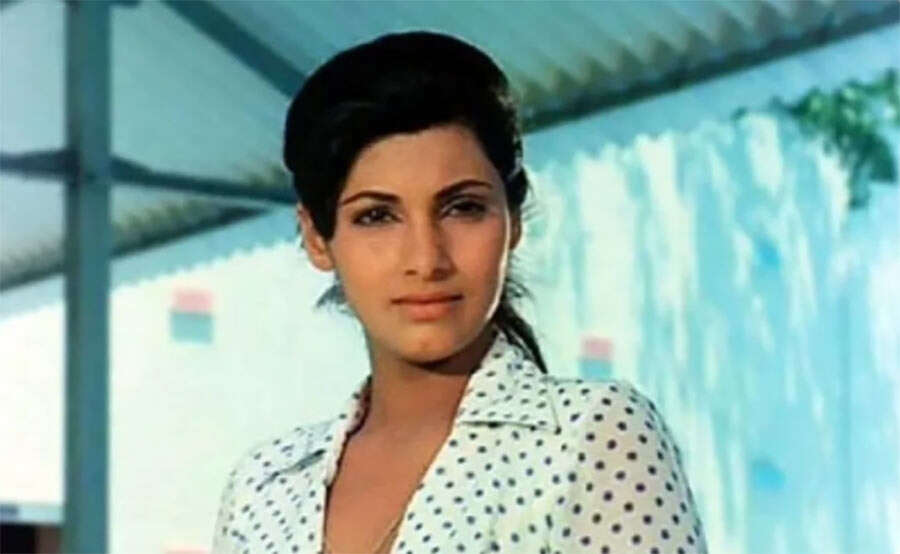
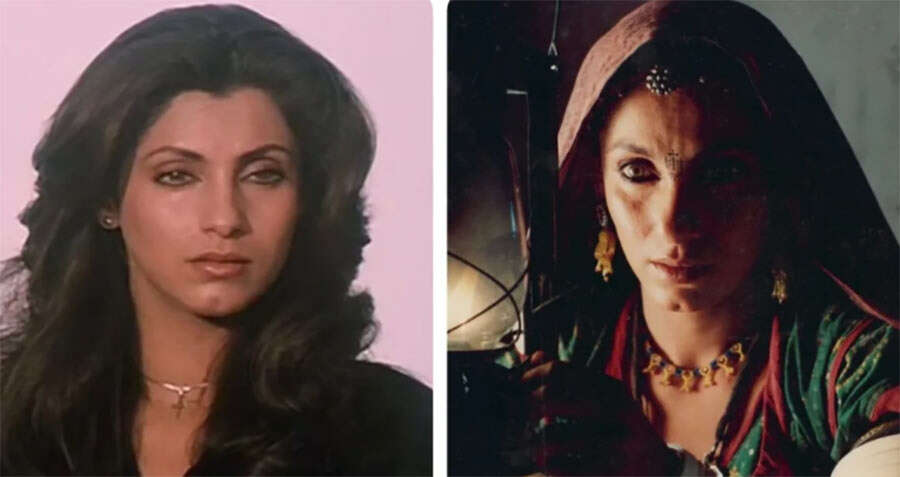
The dacoit movie you are thinking of is likely Gunahon Ka Faisla (1988), where she played the dual roles of Shanno and Durga alongside Shatrughan Sinha, or perhaps Mahaveera (1988) with Raaj Kumar and Shatrughan, where the narrative logic was thin but her raw, unfiltered commitment to the frame was absolute. That image of her letting go so completely that the phlegm runs down her nose is the ultimate proof: she never had the vanity that cripples lesser actors. She didn’t protect her beauty on screen; she protected the truth of the moment, no matter how unlovely or messy it looked.
A few years ago, Tenet (2020) was to be released worldwide. It starred Dimple Kapadia in a prominent role. Any other actor, as is my experience, would have gone to town trumpeting about working with the legendary Nolan. But not Kapadia.
I get a call from her at around 5:30 PM asking me, “Are you free to see Tenet? I was at the dubbing studio and they told me I could invite my guests.” The special screening of Tenet was to start at 6:30 PM. Of course, I couldn’t go for it, but as always, I was bowled over by her simplicity and casual lack of airs. For crying out loud, it was a Nolan film!
I quickly recalled past scenarios of other actors talking about their walk-on Hollywood forays for decades. But my lovely Dimpa! Far from the madding crowd, almost living in a parallel universe, she hasn’t given a single press interview or tom-tommed about it. By God, talent like this should be preserved. And nurtured and nourished.
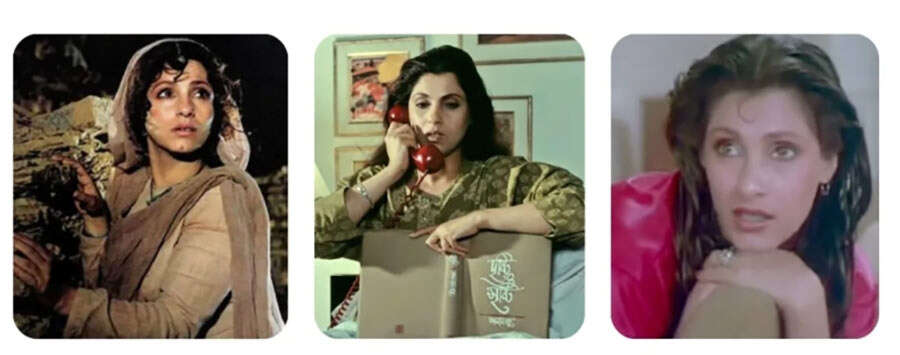
She always followed her heart, paid a price, and bounced back in films like Krantiveer (1994), Dil Chahta Hai (2001), and Leela (2002). Those limpid pools of sadness in her cognac eyes were just what set the screen afire. Dimple didn’t speak from the heart; she spoke from the gut. That’s why she makes very few public appearances and gives even fewer interviews—she’s never quite sure what politically incorrect statements she might make.
She’s all things lovely, and we, her fanboys, only want to see her in one movie after another. She shouldn’t rest on her oars. Her sea of talent needs to go many more nautical miles. Dimple Kapadia, I love you. Happy birthday.
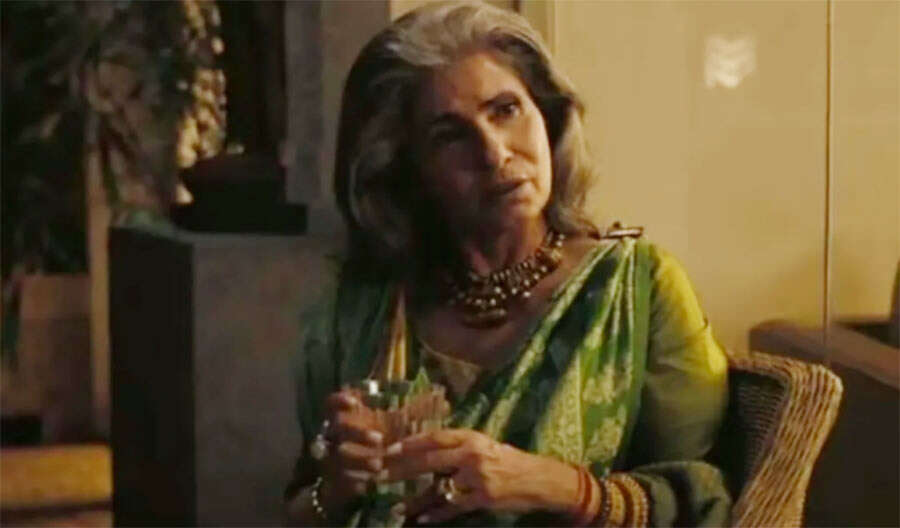
The few occasions I’ve met the actor, I’ve seen her vulnerable, sharp, and funny side. I first met her as a fanboy, much like it is for me with most actors of that vintage. She drops her guard at all times, and your instinct is to protect her rather than write down everything she says. She’s also fickle and changes her mind often. But some actors are allowed that. Because that’s what gives their craft its edge—her uncertainty gives a glow to her performance.
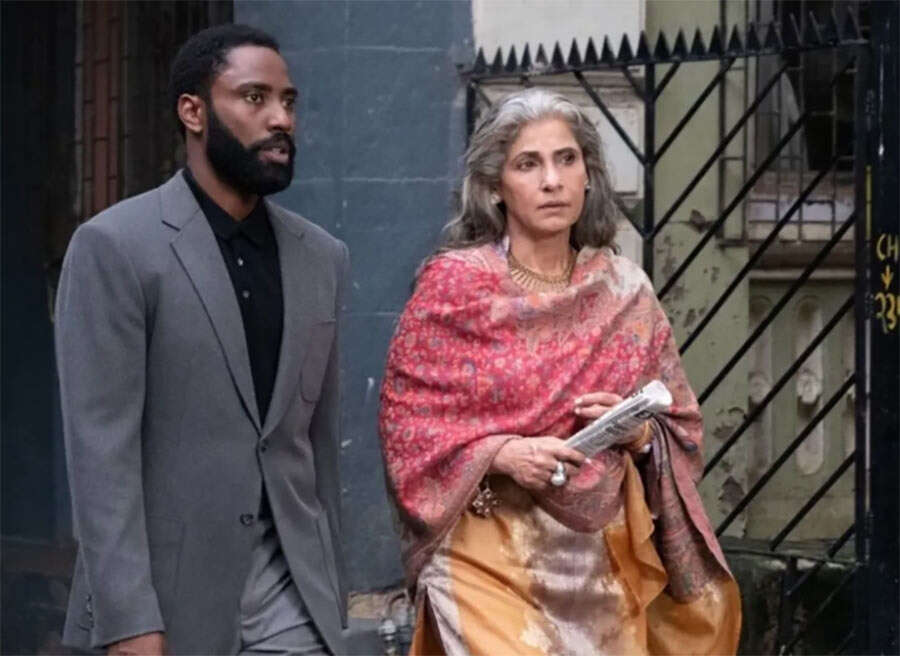
You have to savour her brokenness in Leela (2002), Lekin… (1991), Drishti (1990), and Kaash (1987). On screen, she will show you her wounds. In one egregious film of hers from the ’80s with Raaj Kumar and Shatrughan Sinha, where she plays a dacoit, you can see her let go so completely in a scene that the phlegm is running down her nose. You want raw, you get raw. Go on and judge me, but I’ve watched her in everything from Kali Ganga (1990) to Bees Saal Baad (1989).

So, “Dimpa, how did you like yourself in Tenet (2020)?” if I were to ask her. She might say, in her characteristically self-effacing tone, “Izzat rakh li…” or some such. I wish she would shrug off her reluctance and do more and more work. Reluctant actor, reluctant human being. My heart will go on.
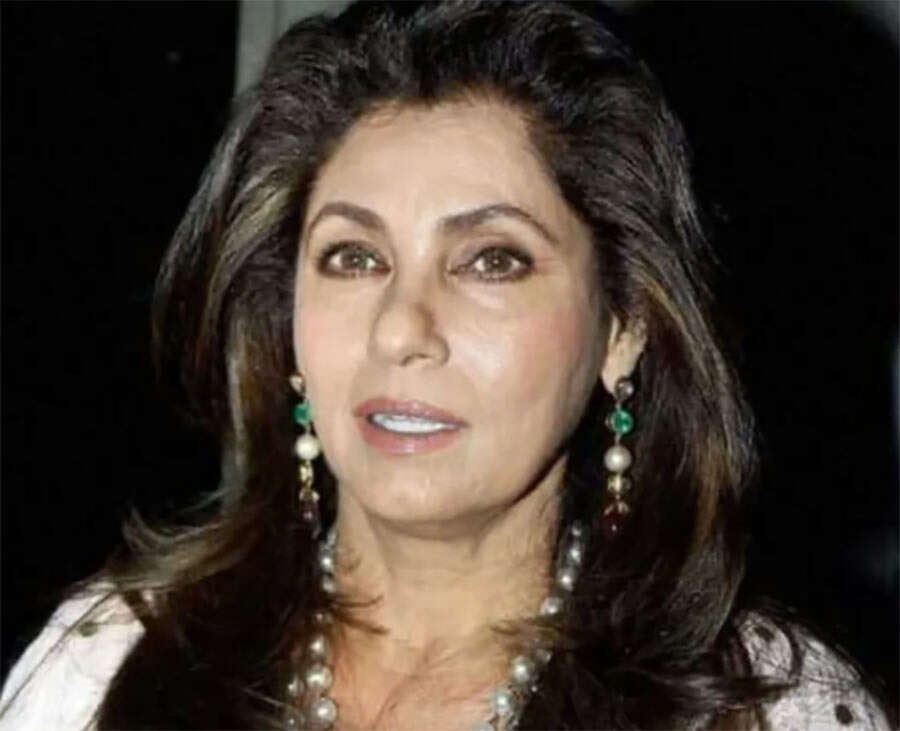
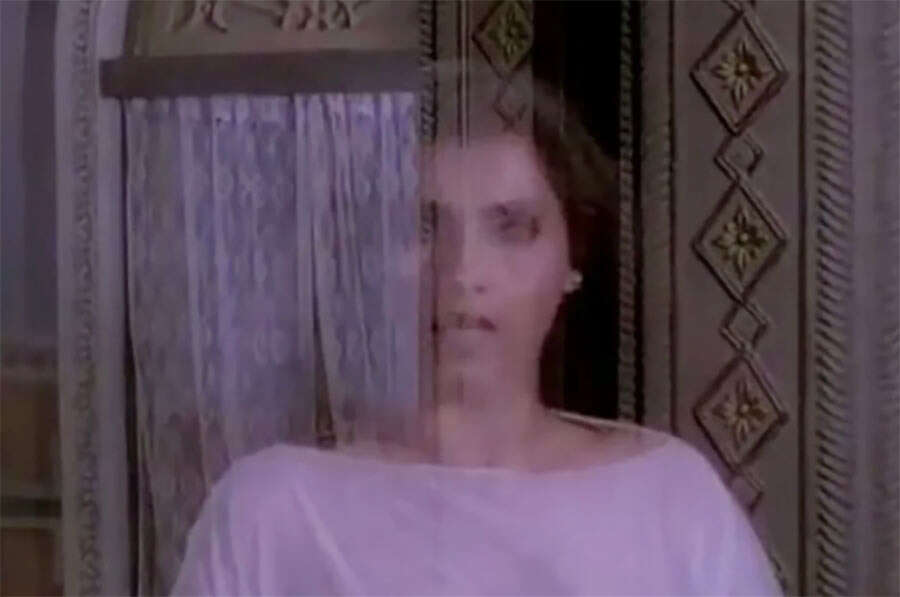
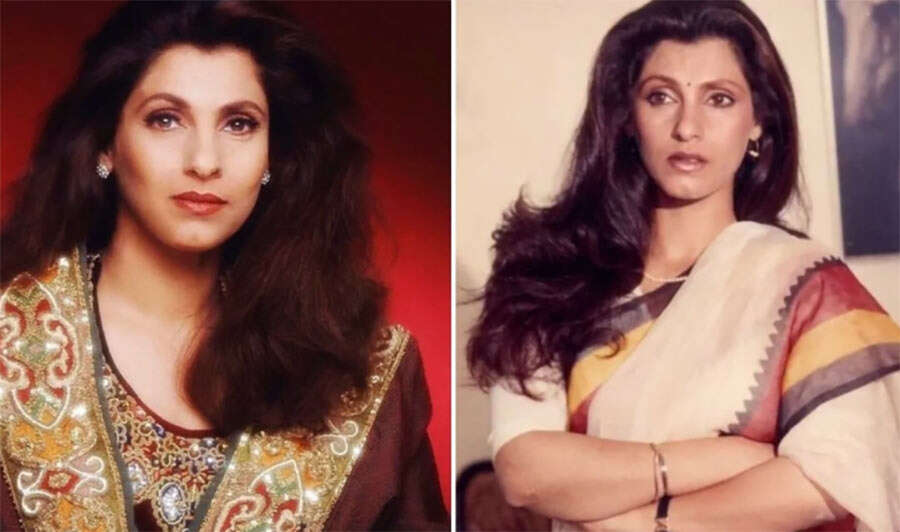
HAPPY BIRTHDAY DIMPA, I LOVE YOU.
Love,
Jitesh Pillai
Also Read: Editor’s Take: A Journey Through Mani Ratnam’s Timeless Cinema
