

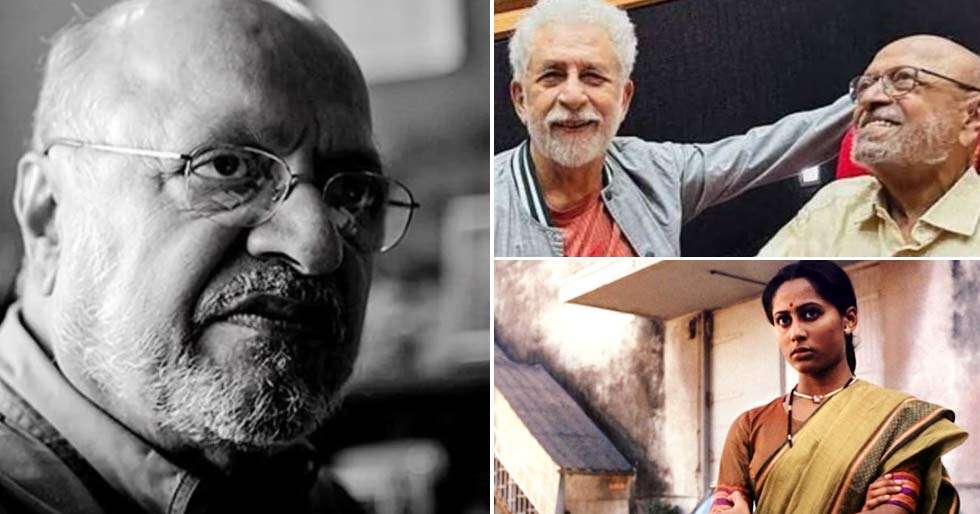
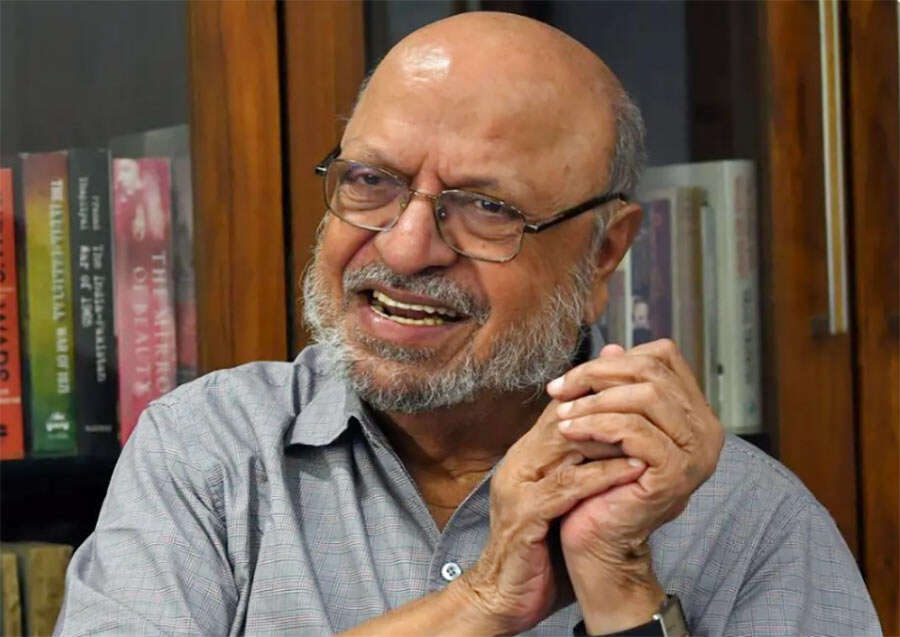
Filmfare’s Editor-in-Chief Jitesh Pillaai takes a deep dive into The Master: Shyam Benegal, finding in it an engaging, loving and occasionally anecdotal portrait of one of Indian cinema’s finest filmmakers. From Benegal’s seminal films and his unforgettable women characters to the Guru Dutt connection, casting anecdotes and unexpected revelations, Jitesh Pillaai looks beyond the hagiography to find the man, the filmmaker and the contradictions within.
In his words:
First things first. A documentary on Shyam Benegal is good news. And the best part is that it’s engaging. Directed by journalist turned-filmmaker Khalid Mohamed, The Master: Shyam Benegal is watchable and well done.
Benegal’s Ankur (1974) had a seminal influence on the parallel cinema movement, much like Mrinal Sen’s Bhuvan Shome (1969) did in the late 60s. I personally am a fan of Ankur, Manthan (1976), Bhumika (1977), Nishant (1975), Kalyug (1981) and Mandi (1983) much more than his later works. As Shabana Azmi says in the documentary, his later works lacked “ras”.
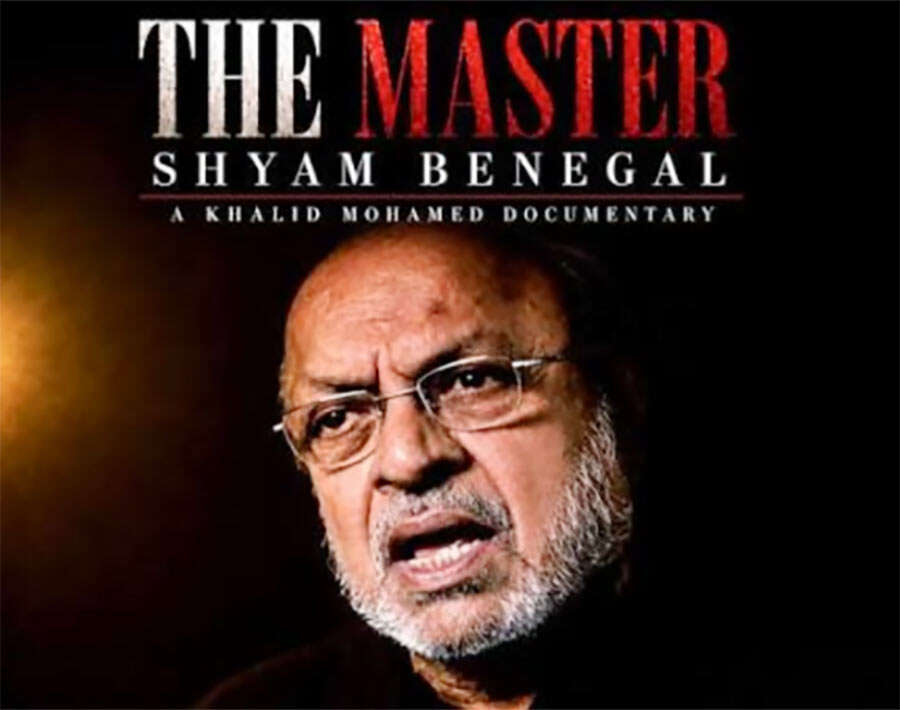
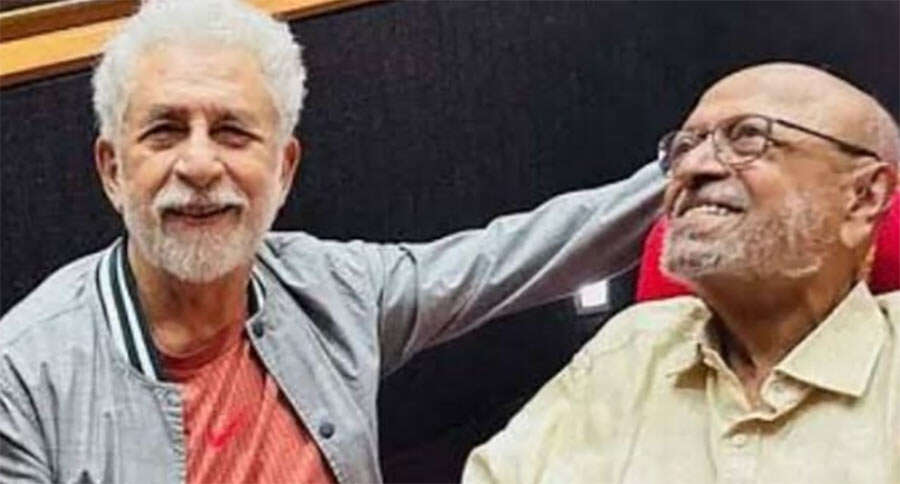
Narrated by Naseeruddin Shah (surprise, surprise), the actor has a very fractious relationship with the maker of the documentary and even in the past said uncharitable things about his mentor, but here Shah pays obeisance to his mentor. And it’s beautiful and loving.
There are some lovely nuggets, with Shabana taking about Smita Patil, Girish Karnad talking how he rewrote Vijay Tendulkar’s and Satyadev Dubey’s script and dialogue in Manthan (1976). There are also some interesting sidelights about the casting choices, some of which veer into gossip magazine territory. The contradictions are stark and also clever.
Benegal, in his own words, wasn’t into the business of entertaining as much as engaging his audiences- through his socially relevant and engaging films, documentaries and television series like Yatra, Bharat ek Khoj based on Jawaharlal Nehru’s discovery of India.
The other big reveal was the Guru Dutt section, and a sizeable portion of the documentary segues into Dutt territory. As we all know Benegal is Dutt’s nephew. No complaints at all. Wish there was more of that.
For me, the most interesting parts were Benegal talking about getting offers after Ankur from Tarachand Barjatya, Raj Kapoor and actually wanted to make Umrao Jaan Ada with Shabana Azmi or Jaya Bachchan!
But they were considered too “old” by prospective producers. Now that’s a deliciously ironic twist in the Umrao Jaan (1981) tale made famous by Rekha.
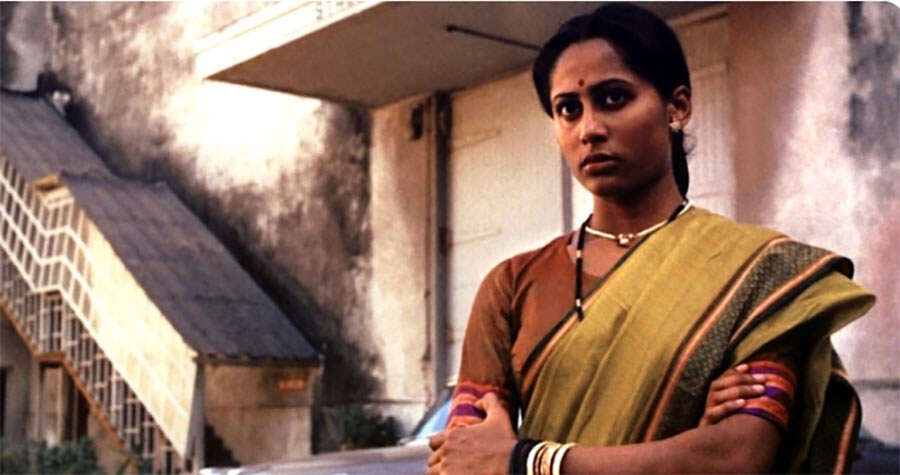
Benegal’s portrayal of the women characters was sensitive as it was astute and blessed with astonishing feminist gaze – the heroines in Ankur, Bhumika (1977), Nishant (1975), Manthan (1976), Junoon (1978), Kalyug (1981), Mandi (1983) were lionesses.
Benegal regular from Bhumika to Trikaal (1985), until the AR Rahman wave, late music wizard Vanraj Bhatia accused Rahman of flicking his tunes for two songs in Zubeidaa (2001), a charge Benegal categorically refutes.
In a world of hagiographies and kiss ass homages, The Benegal documentary is a welcome addition with its clarity and lack of authorial intrusions and slavish devotion to the subject. It’s a somewhat gossipy yet deep and fascinating insight into one of our finest filmmakers.
Also Read: Editor’s Take: Mammootty and The Art of Shedding The Superstar Skin
